The NASCHA project has officially started

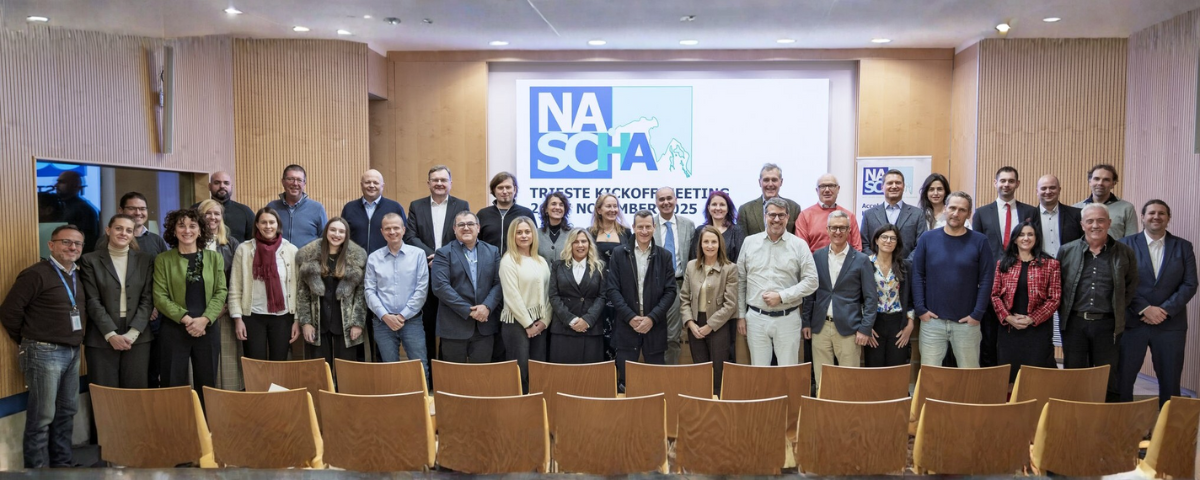
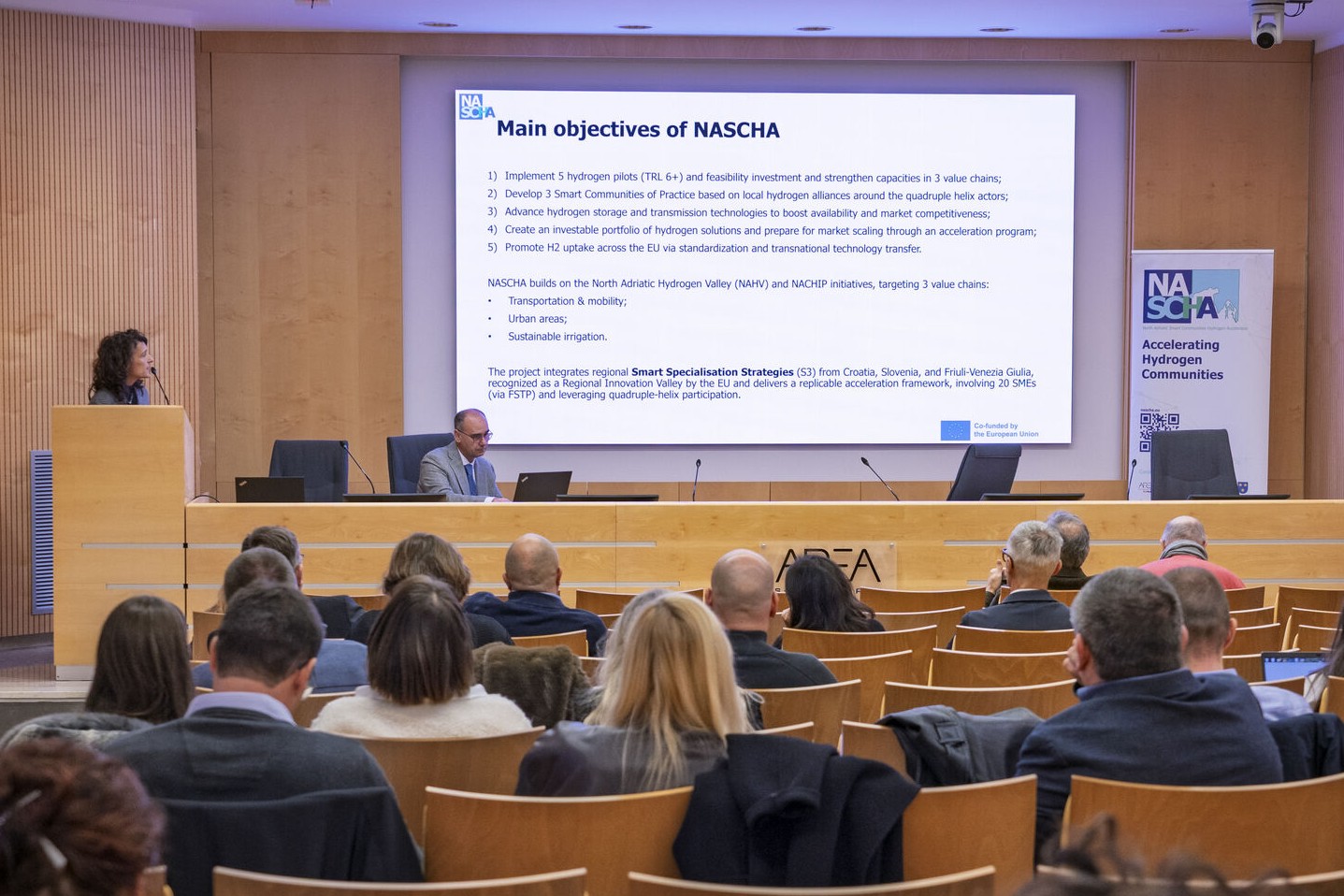
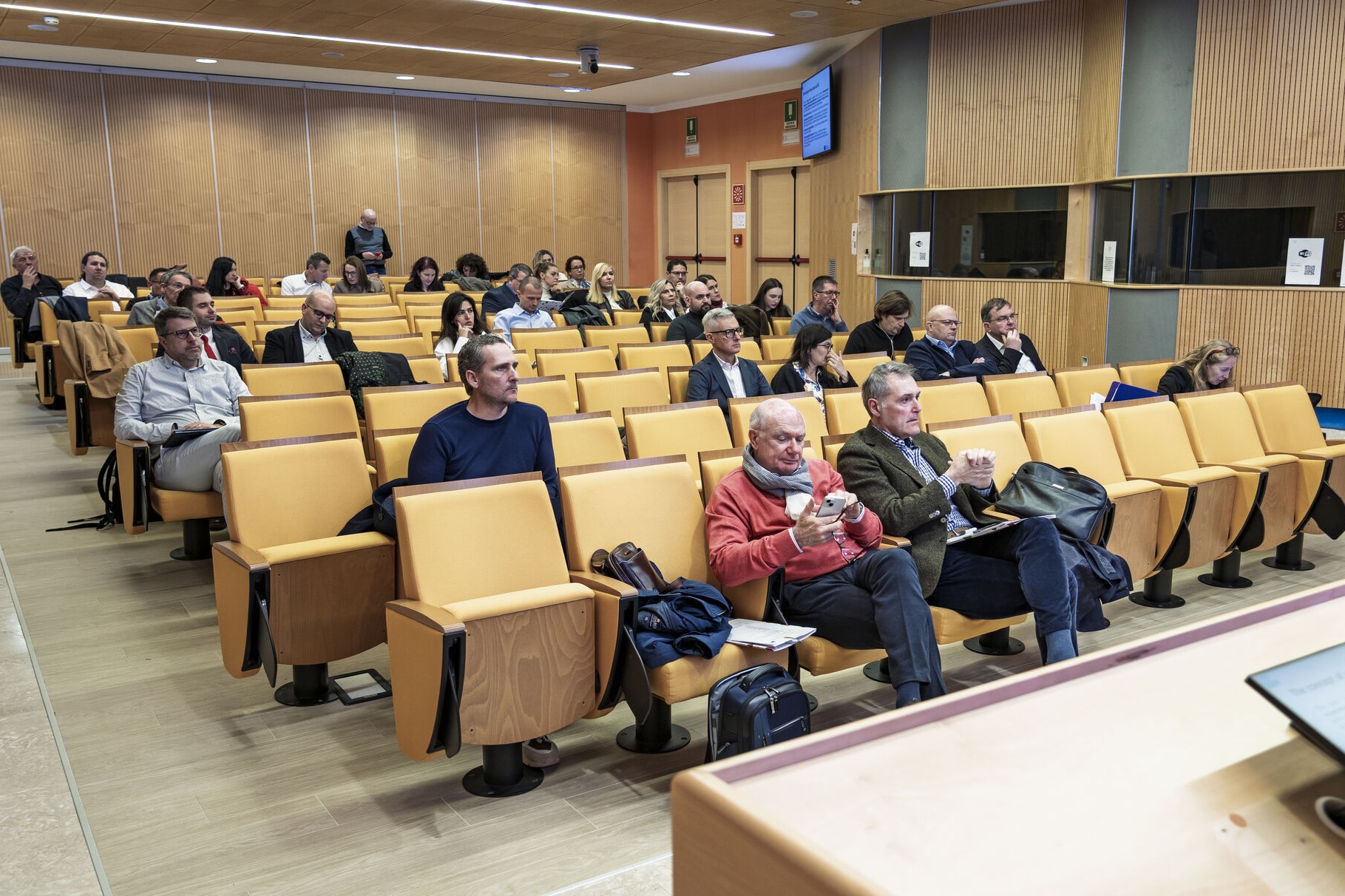
The two-day kick-off meeting, 26 and 27 November in Trieste, started the implementation of the project NASCHA - North Adriatic Smart Communities Hydrogen Accelerator, important transnational initiatives aimed at developing hydrogen technologies in the North Adriatic region.

The host of the meeting was Area Science Park, Project coordinator, with the participation of all 20 partners from Croatia, Slovenia and the Italian region of Friuli Venezia Giulia. The meeting presented the goals, activities and plans for the next three years, as well as the roles of individual partners in the implementation of the project.

NASCHA the project is funded by the programme I3 Interregional Innovation Investments Facility with a total budget of almost €11 million. Its goal is accelerate the development and deployment of renewable hydrogen through the implementation of five pilot projects and the development of three Smart Communities of Practice in Croatia, Slovenia and Italy.

The project builds on the North Adriatic Hydrogen Valley (NAHV) and strengthens regional capacities in the following areas:

  • urban energy solutions;
  • transport and mobility;
  • sustainable irrigation;
  • production, storage and distribution of hydrogen.

The project will develop TRL 6 solutions to market-ready TRL 9, with a strong focus on standardisation, investment preparation and cross-border knowledge transfer.

From the second year of the project, it will be open. two calls for SME funding, which provides support of up to EUR 60,000 per company, with business acceleration programmes and preparation for investors.

The initial meeting marked a strong start of the project and confirmed a high level of readiness and engagement of all partners. The implementation of the project will contribute to strengthening the North Adriatic hydrogen ecosystem and creating conditions for new technologies, investments and cooperation in the region.

We look forward to playing an active role in the project and contributing to the development of innovative, sustainable and transnationally connected renewable hydrogen solutions.
Photos: Giulia Coppetti&C.J.

Fiscalisation 2.0: New phase of digital business

On the first day of 2026, the Fiscalisation 2.0 system will be implemented, with which the Tax Administration will introduce a modernised framework for the monitoring and exchange of invoice data.

This is an upgrade of the existing fiscalization system, which has been in operation since 2013, and which aims to further digitalisation, transparency and simplification of business processes for entrepreneurs.

What does Fiscalization 2.0 bring?

The new system introduces fiscalisation of non-cash accounts, i.e. the obligation to report also for invoices charged through transaction accounts, cards and other forms of non-cash payment.

While the previous fiscalization (the so-called Fiscalization 1.0) included only invoices paid in cash, the new tax administration model introduces a single system for recording all accounts;, regardless of the method of collection.

The aim of the change is to:

  • reducing the shadow economy and undeclared transport;
  • real-time traffic monitoring;
  • improving the accuracy and reliability of data;
  • Easier exchange of information between taxpayers and the Tax Administration.

Who is in charge of Fiscalization 2.0?

Taxable persons with fiscalisation 2.0 are all taxable persons who issue invoices, including companies, crafts and other entities carrying out an economic activity.

From 1 January 2026 fiscalisation also includes Non-cash accounts issued by fiscalising entities.

For entities that not in the VAT system, allowing them to receive e-Invoices via the application in 2026 Micro-Invoice Tax administrations, available in the eCitizens system.

What does this mean for entrepreneurs?

The introduction of Fiscalization 2.0 brings certain technical and procedural changes in business:

  • Needed upgrade software solutions for invoicing in such a way as to enable declaration and non-cash transactions,
  • all invoices (irrespective of the method of payment) will have to be fiscalised at the time of issuance;
  • the details of the invoices issued will be automatically delivered to the Tax Administration through electronic exchange.

For entrepreneurs, this means a higher degree of digitalisation of business, but also a smaller administration in the long term, as all data will be aggregated in a single system.

Intermediaries in the fiscalization of non-cash accounts

In order to facilitate the application of the new system, the Tax Administration enables entrepreneurs to fulfil the obligation of fiscalization of non-cash accounts also through intermediaries, IT and payment services that ensure technical connection with the Tax Administration.

Intermediaries play a key role in the exchange of data between the business systems of obliged entities and the information system of the Tax Administration. Their task is to ensure that all invoices issued through electronic systems are automatically logged in and recorded in real time.

A list of registered intermediaries, as well as the technical conditions for their use, are available here.

Among the certified intermediaries is our former user Aestus, the company that developed the application Parra and now offers a simple solution for small businesses in line with Fiscalization 2.0.

Preparing for a new system

The Tax Administration announced the publication of technical documentation, instructions and educational materials so that entrepreneurs and manufacturers of fiscal schemes can adapt their systems in a timely manner.
Entrepreneurs are recommended to:

  • contact their IT service providers and check the programme’s compliance with the new requirements;
  • plan the necessary investments and testing of the system in 2025,
  • follow the notices and official publications of the Tax Administration.

Towards full digitalisation

Fiscalisation 2.0 is an important step in the digital transformation of public administration and the business sector. The new system will allow for greater efficiency, reduce administrative burden and ensure more accurate and faster reporting.

For entrepreneurs, this means less paperwork, more transparency and more modern business.


Read more about Fiscalization 2.0 here.

New entrepreneurs at the Torpedo Production Park

New entrepreneurs have moved into the Torpedo Production Park Business Incubator.

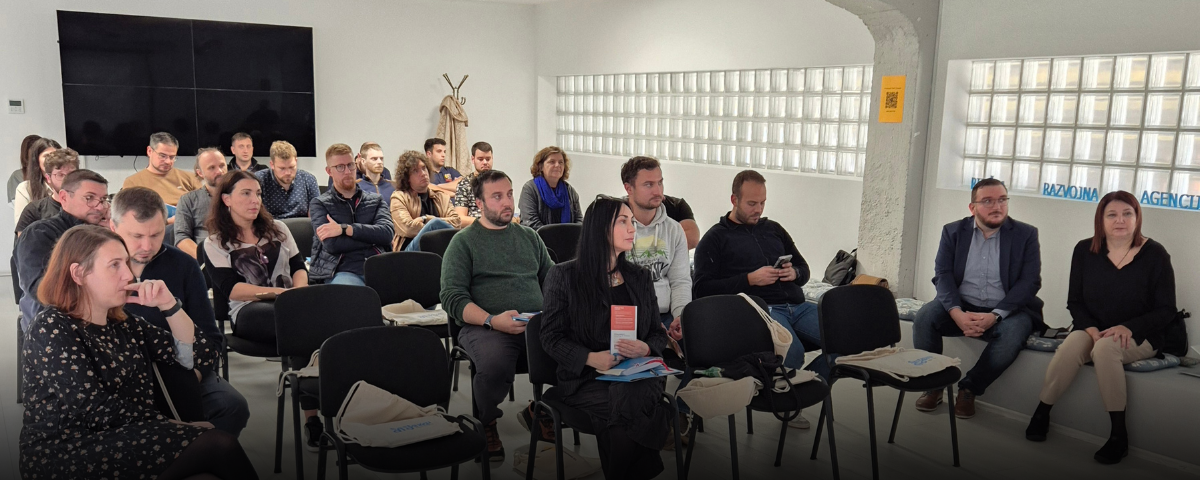
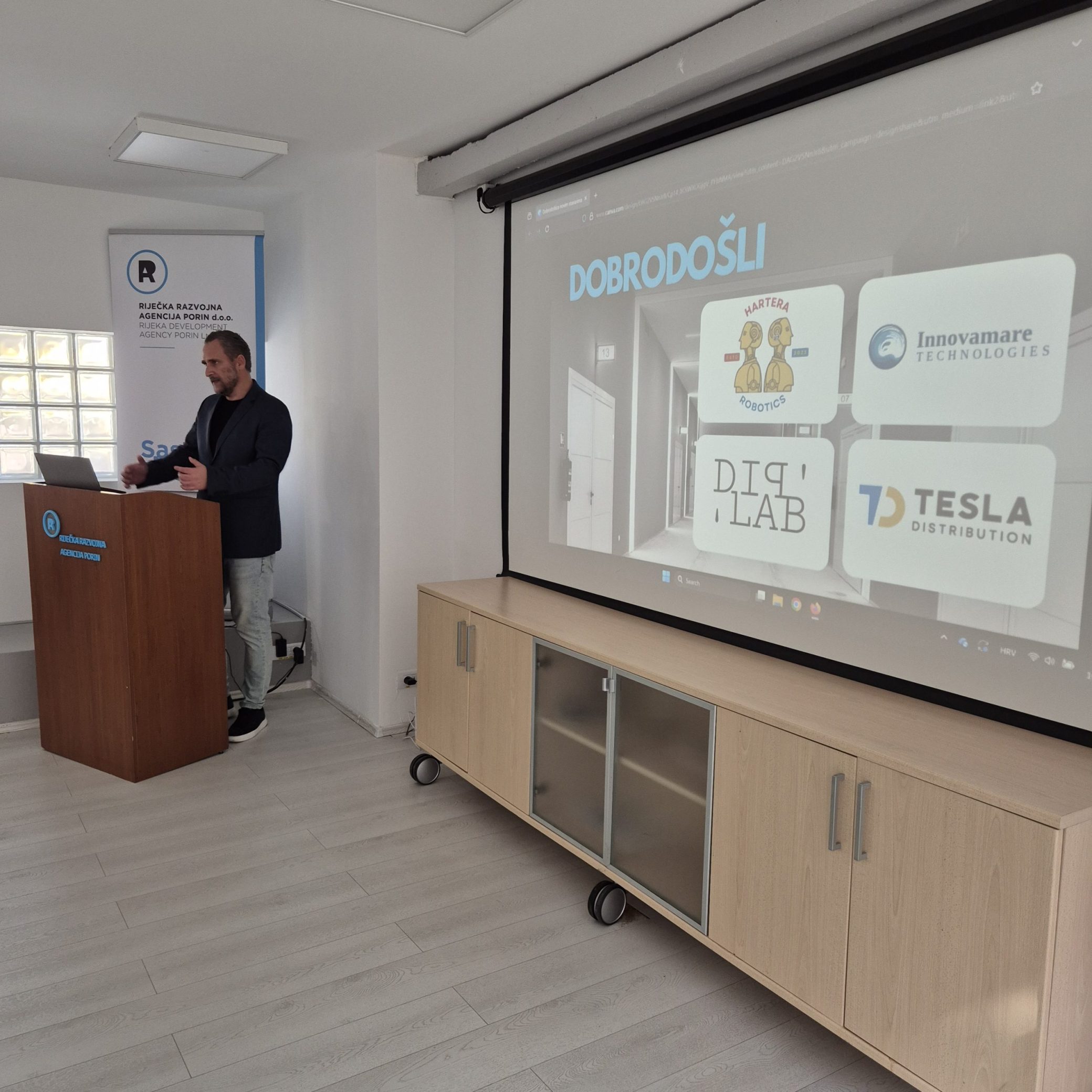
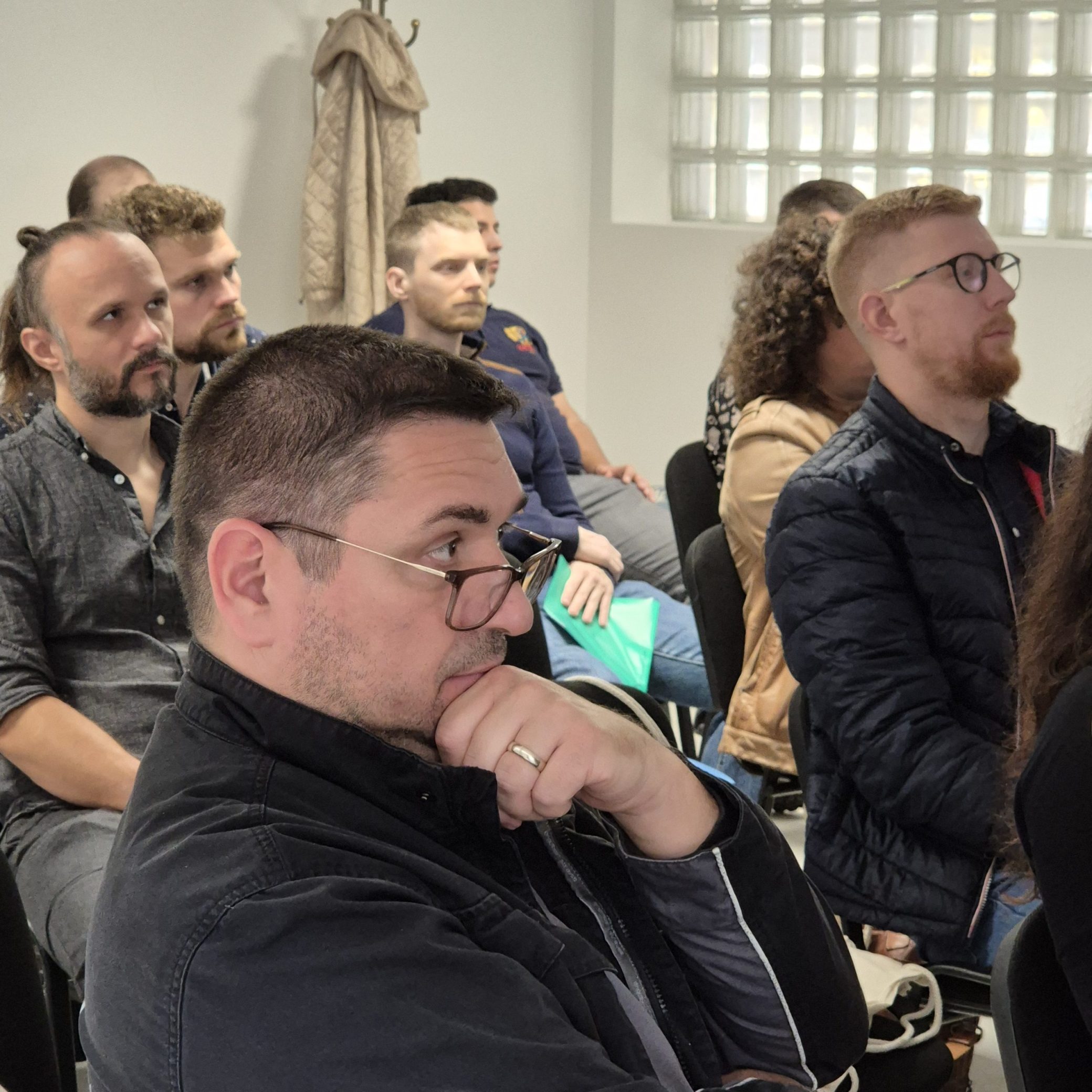
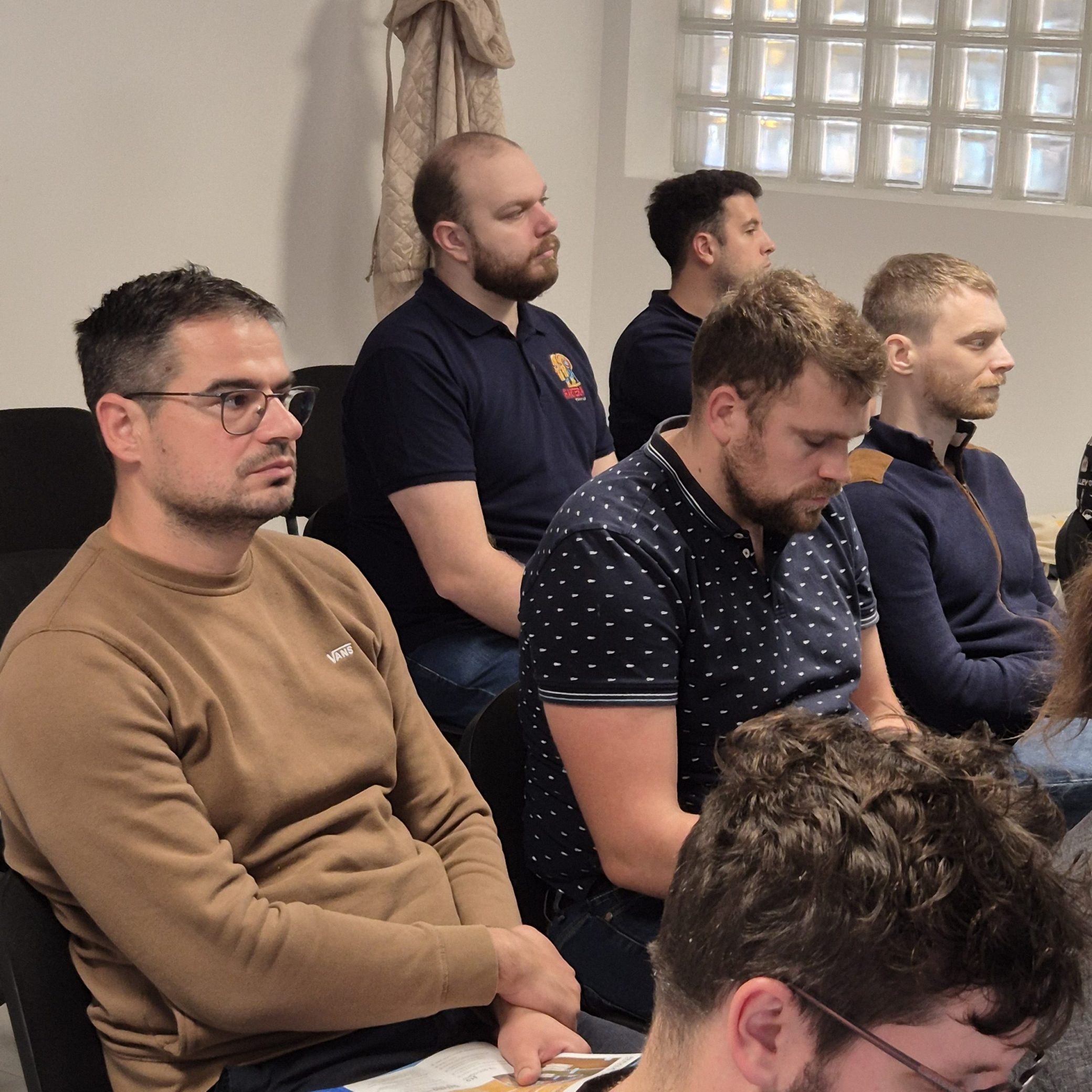
The event took place on 24 October 2025 in the Conference Hall The Torpedo Production Park brought together representatives of the entrepreneurial community and users of both incubators operating within the Rijeka Development Agency Porin. The meeting was opened by director Nenad Antolović, who welcomed new users and congratulated them on their successful application and innovative business ideas. He pointed out that by entering the incubator, they become part of a network of entrepreneurs who drive change, create jobs and contribute to the development of Rijeka as a city of knowledge, technology and entrepreneurship.

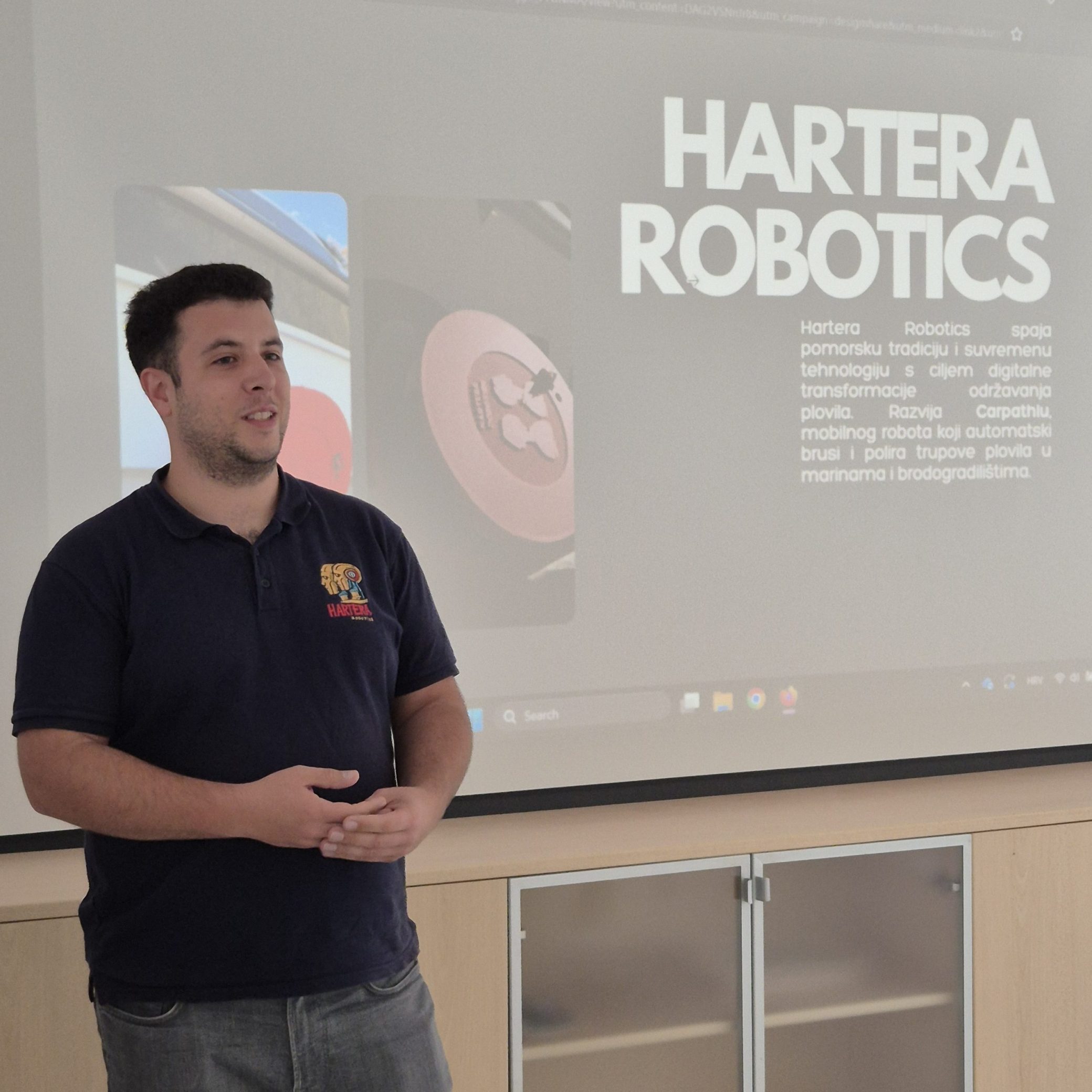
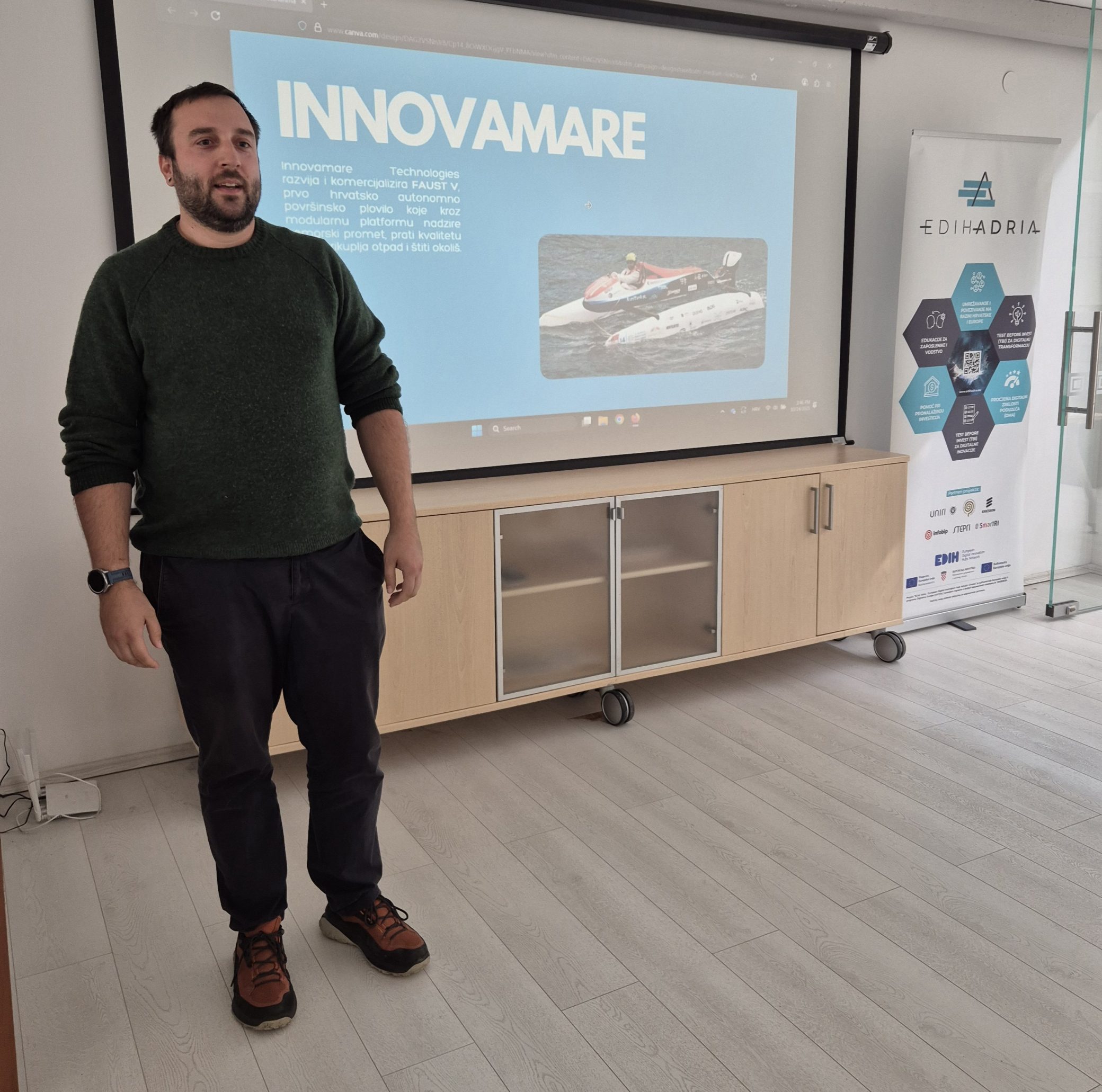
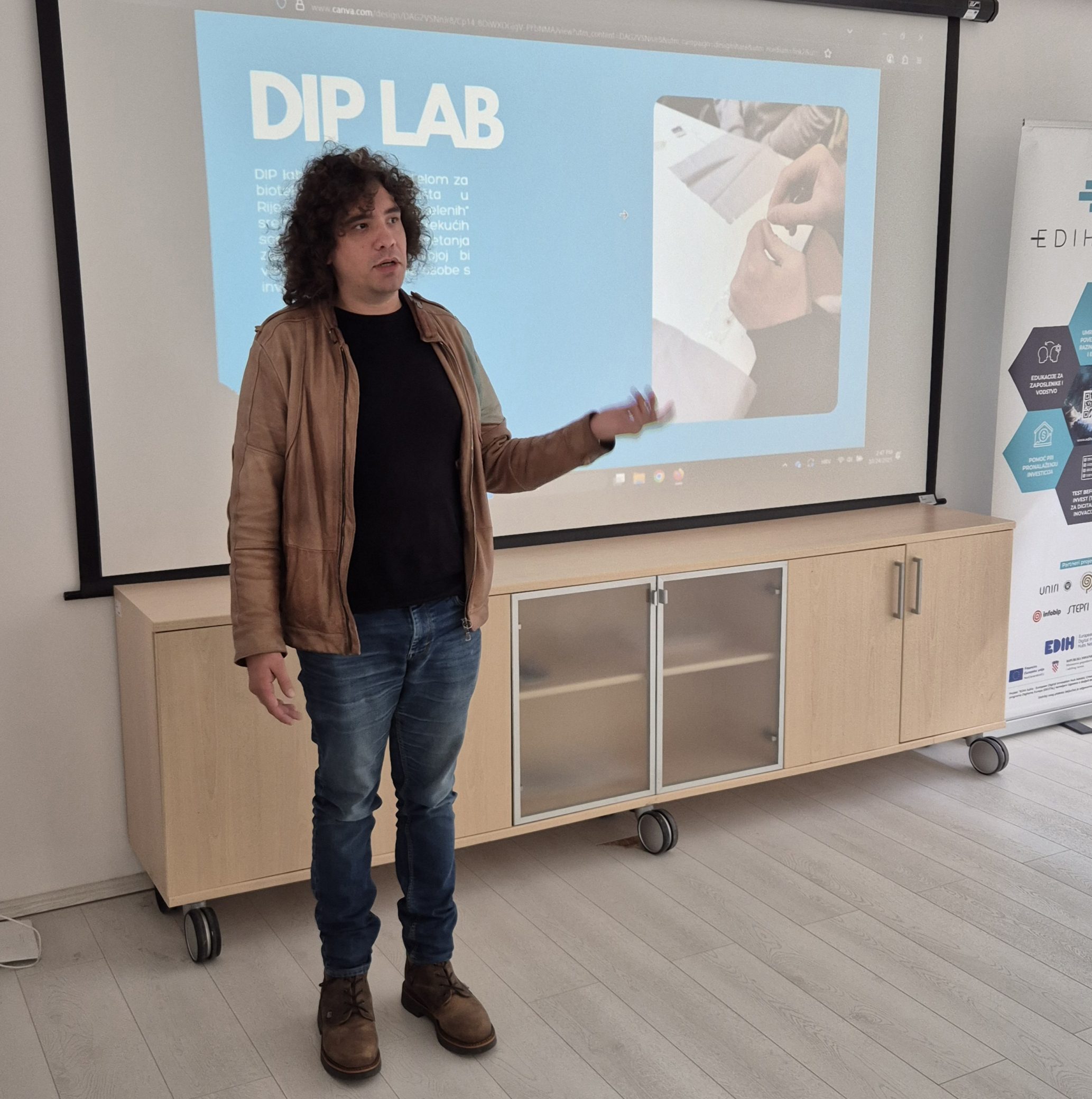
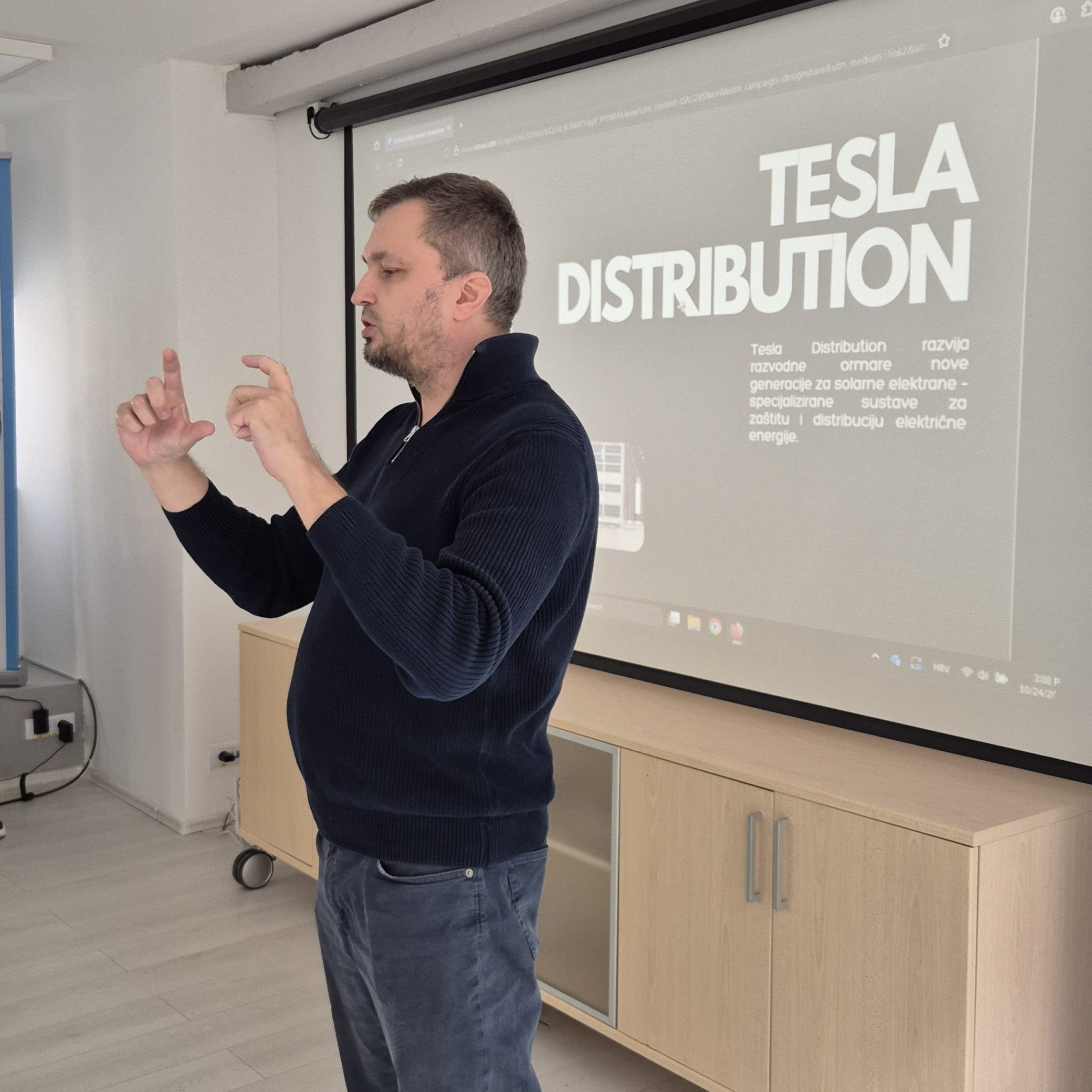
New entrepreneurs entered the incubation programme: Hartera Robotics, Innovamare Technologies, DIP Lab i Tesla Distribution, while the companies MILAB, HTB CNC, SFF Time i Arca Craft Food successfully complete the initial programme and move to the post-incubation phase.

This event once again confirmed that the incubation program of the City of Rijeka and the Rijeka Development Agency Porin provides a strong incentive for the development of entrepreneurship in the manufacturing sector.

Torpedo Production Park – space for ideas to grow

Torpedo Production Park offers entrepreneurs business premises, access to modern production equipment and professional support in business development. The aim of the program is to provide young and innovative companies with affordable conditions for the growth, development and commercialization of ideas in the real sector.

Entrepreneurs have at their disposal:

  • production workshops and common infrastructure,
  • professional and mentoring support in business planning and product development,
  • networking and education in cooperation with the business and academic sectors,
  • the technical infrastructure needed to test and improve production processes.

Within the incubator currently operates a number of companies in the field of mechanical, electrical, metal processing and innovative production, which through a common space develop new products and technologies.

Partner to Entrepreneurs

The production park Torpedo is managed as part of the system of encouraging entrepreneurship of the City of Rijeka. Through this program entrepreneurs get the opportunity to develop and expand their business in an enabling environment, with the support of an expert team and the local community.

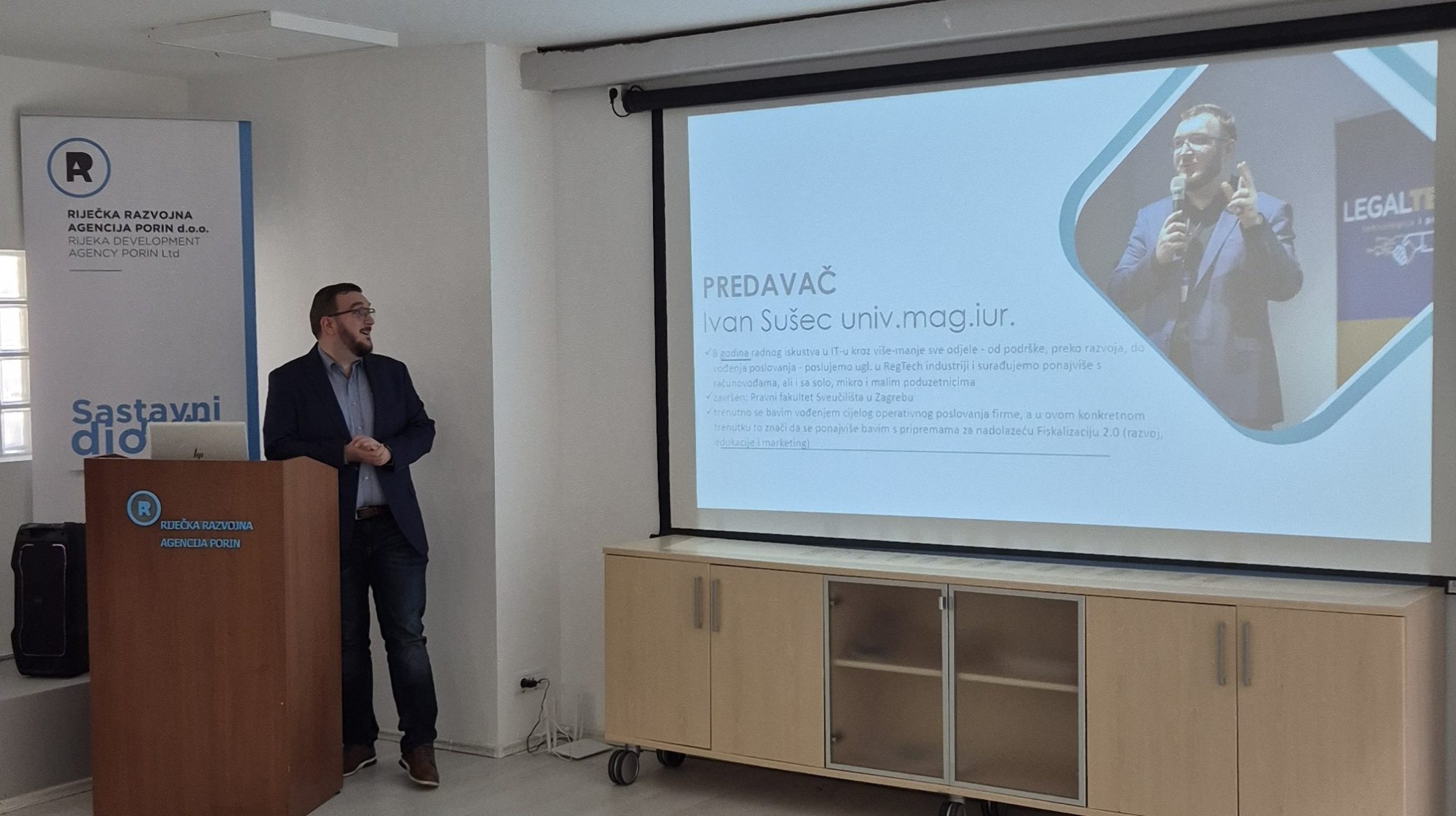
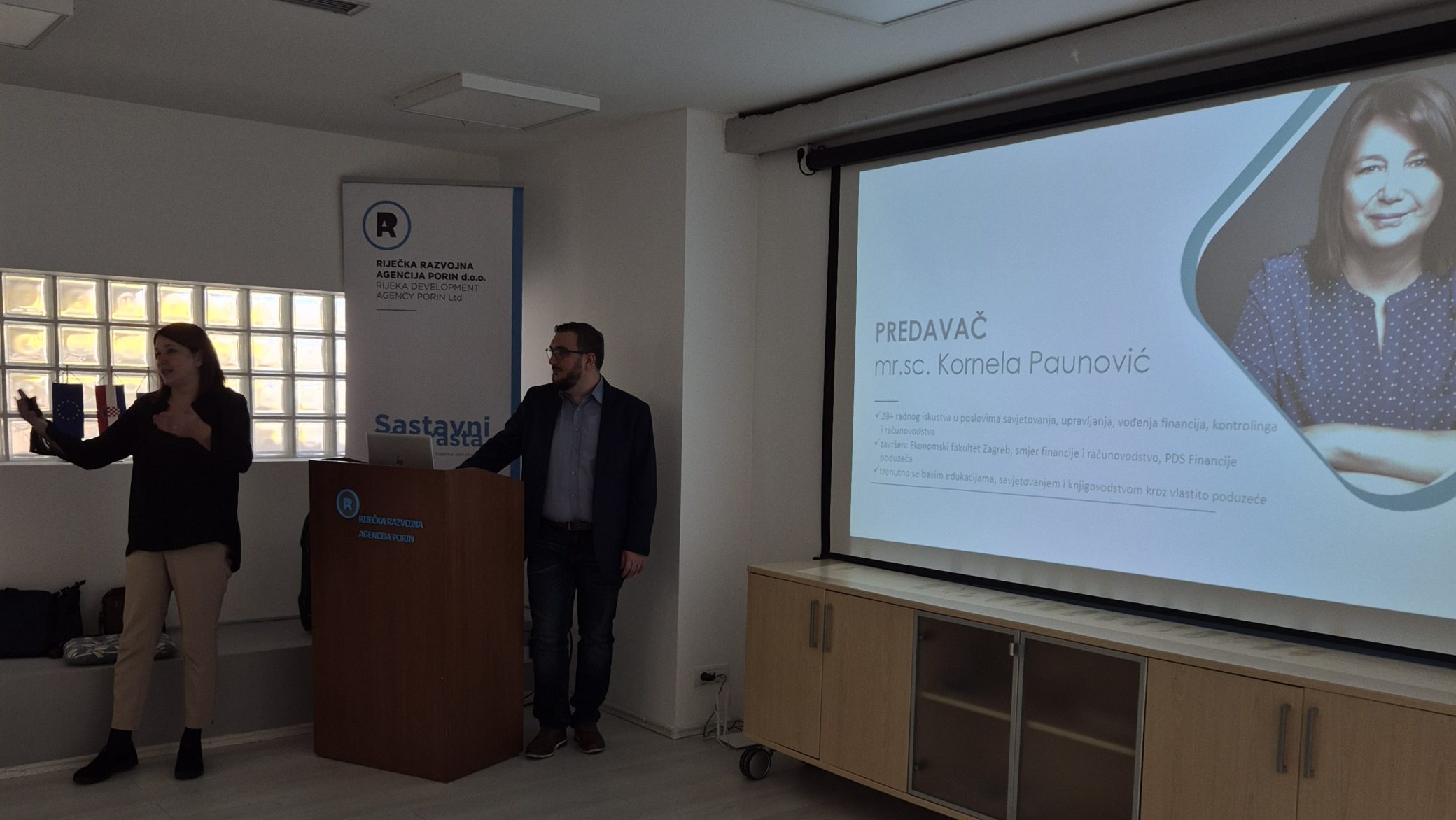
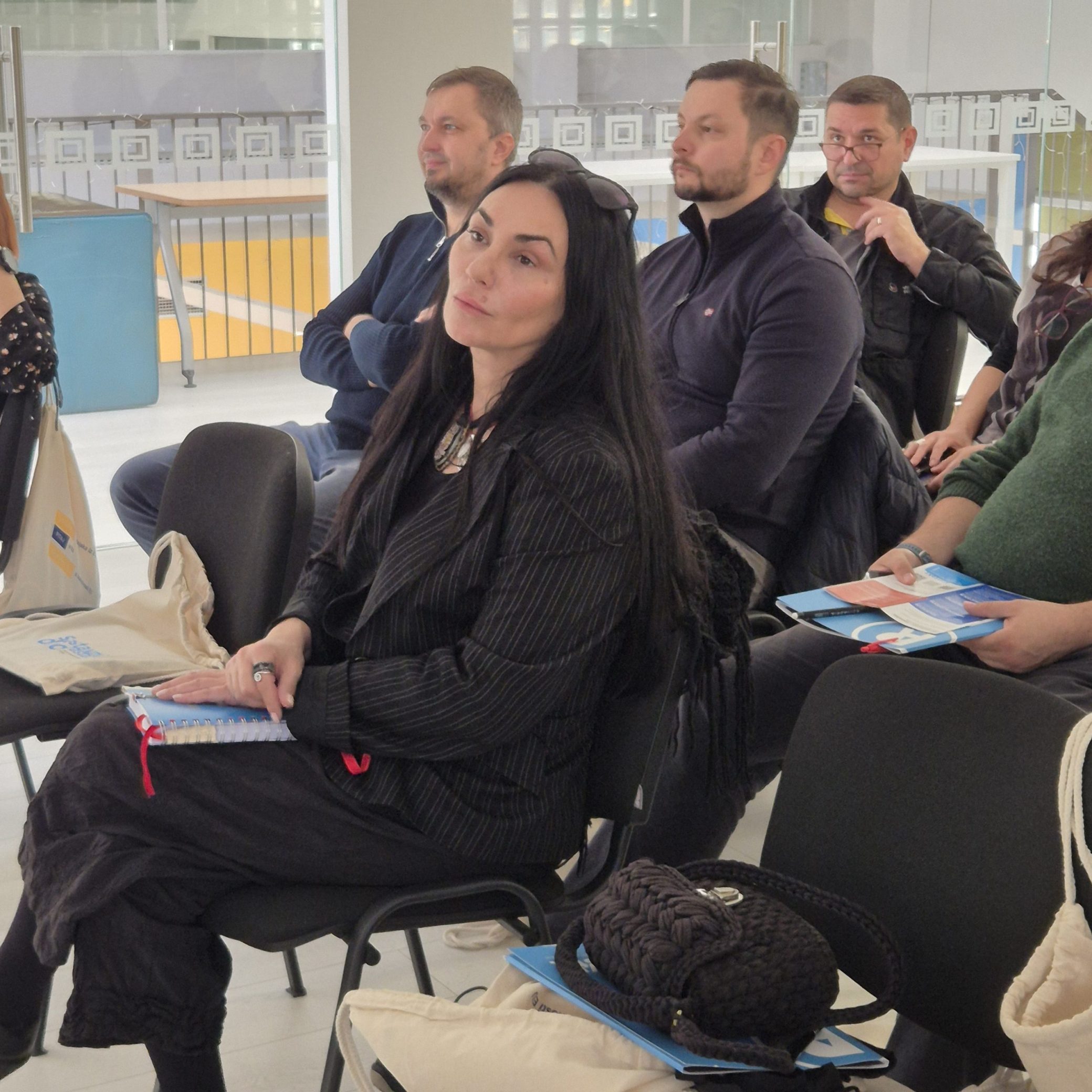
An expert workshop was also held to this end:Fiscalization 2.0, led by mr. sc. Kornela Paunović, expert in finance, controlling and accounting, and Ivan Sušec, univ. mag. iur., expert in development and education related to fiscalization 2.0.

The workshop offered users an overview of the new fiscalization system that enters into force on 1 January 2026, focusing on practical aspects of application, differences between accounts and e-Invoices, and new obligations for B2B, B2C and B2G accounts.


Do you want to build your story with the support of an incubator?

Contact us and find out how we can help you.

A new loan programme for women entrepreneurs and start-up entrepreneurs has been opened

HAMAG-BICRO launches new loan programme Small loans for women entrepreneurs and beginner entrepreneurs, a financial instrument intended for micro, small and medium-sized entities of a small economy that wish to start, develop or improve their business.

Purpose

  • Funding capital goods (tangible and intangible assets),
  • and working capital up to a maximum of 30% the amount of the loan.

Eligible beneficiaries

  • Young Entrepreneurs and Start-up Entrepreneurs registered in the relevant register for less than 3 years; and
  • companies whose majority owners are women at least 2 years before the application for the loan.

Terms and conditions and repayment

  • Loan amount: from 25.001,00 EUR up to 100.000,00 EUR
  • Interest rate: 0,5% annual fixed
  • Period of use: 6 months from loan disbursement
  • Starting point: up to 1 year
  • Repayment period: 1 to 10 years including grace period
  • Repayment dynamics: Quarterly Rate
  • Security instruments: promissory notes
  • Compensation: No authorisation fee

An additional benefit is the possibility write-offs up to 50% the principal amount of the loan in the event of an orderly repayment of the loan in question and additional employment, calculated as follows:

  • 10% the principal of the loan amount used for each additional newly recruited person; or
  • 15% principal if the additional newly recruited person is a woman and/or a young person (up to the age of 30).

Method and deadline for application

Applications must be submitted exclusively via on-line application system the HAMAG - BICRO official website where they are published Program Terms and Conditions i list of required documentation for registration.

Receipt of the request starts at 15. 10. 2025 at 10 hours and shall be valid until the funds are used up, but no later than 31. 12. in 2029.


More information is available here,

and for the preparation of a business plan and preparation of documentation, please contact us here.