On the first day of 2026, the Fiscalisation 2.0 system will be implemented, with which the Tax Administration will introduce a modernised framework for the monitoring and exchange of invoice data.
This is an upgrade of the existing fiscalization system, which has been in operation since 2013, and which aims to further digitalisation, transparency and simplification of business processes for entrepreneurs.
What does Fiscalization 2.0 bring?
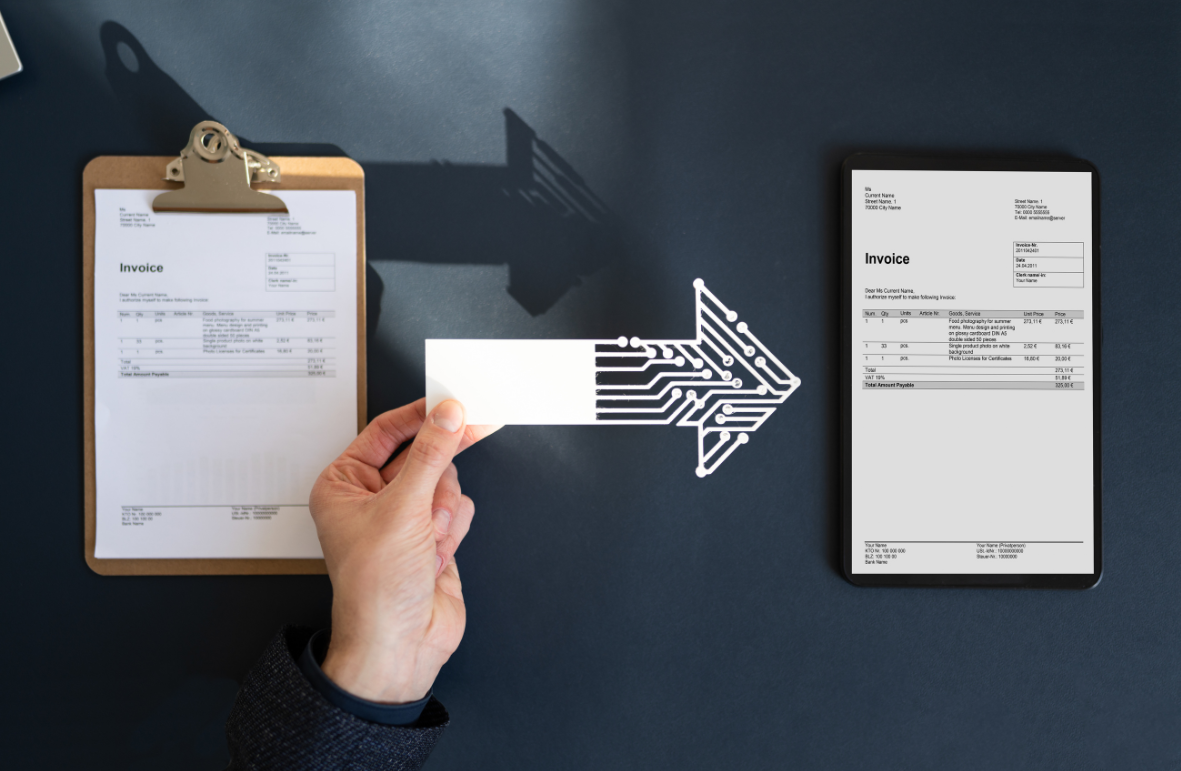
The new system introduces fiscalisation of non-cash accounts, i.e. the obligation to report also for invoices charged through transaction accounts, cards and other forms of non-cash payment.
While the previous fiscalization (the so-called Fiscalization 1.0) included only invoices paid in cash, the new tax administration model introduces a single system for recording all accounts;, regardless of the method of collection.
The aim of the change is to:
- reducing the shadow economy and undeclared transport;
- real-time traffic monitoring;
- improving the accuracy and reliability of data;
- Easier exchange of information between taxpayers and the Tax Administration.
Who is in charge of Fiscalization 2.0?
Taxable persons with fiscalisation 2.0 are all taxable persons who issue invoices, including companies, crafts and other entities carrying out an economic activity.
From 1 January 2026 fiscalisation also includes Non-cash accounts issued by fiscalising entities.
For entities that not in the VAT system, allowing them to receive e-Invoices via the application in 2026 Micro-Invoice Tax administrations, available in the eCitizens system.
What does this mean for entrepreneurs?
The introduction of Fiscalization 2.0 brings certain technical and procedural changes in business:
- Needed upgrade software solutions for invoicing in such a way as to enable declaration and non-cash transactions,
- all invoices (irrespective of the method of payment) will have to be fiscalised at the time of issuance;
- the details of the invoices issued will be automatically delivered to the Tax Administration through electronic exchange.
For entrepreneurs, this means a higher degree of digitalisation of business, but also a smaller administration in the long term, as all data will be aggregated in a single system.
Intermediaries in the fiscalization of non-cash accounts
In order to facilitate the application of the new system, the Tax Administration enables entrepreneurs to fulfil the obligation of fiscalization of non-cash accounts also through intermediaries, IT and payment services that ensure technical connection with the Tax Administration.
Intermediaries play a key role in the exchange of data between the business systems of obliged entities and the information system of the Tax Administration. Their task is to ensure that all invoices issued through electronic systems are automatically logged in and recorded in real time.
A list of registered intermediaries, as well as the technical conditions for their use, are available here.

Preparing for a new system
The Tax Administration announced the publication of technical documentation, instructions and educational materials so that entrepreneurs and manufacturers of fiscal schemes can adapt their systems in a timely manner.
Entrepreneurs are recommended to:
- contact their IT service providers and check the programme’s compliance with the new requirements;
- plan the necessary investments and testing of the system in 2025,
- follow the notices and official publications of the Tax Administration.
Towards full digitalisation
Fiscalisation 2.0 is an important step in the digital transformation of public administration and the business sector. The new system will allow for greater efficiency, reduce administrative burden and ensure more accurate and faster reporting.
For entrepreneurs, this means less paperwork, more transparency and more modern business.
Read more about Fiscalization 2.0 here.