CroAI Legal Club is coming to Rijeka: A new EU roadmap for the tech sector – smart reform or risky deregulation?

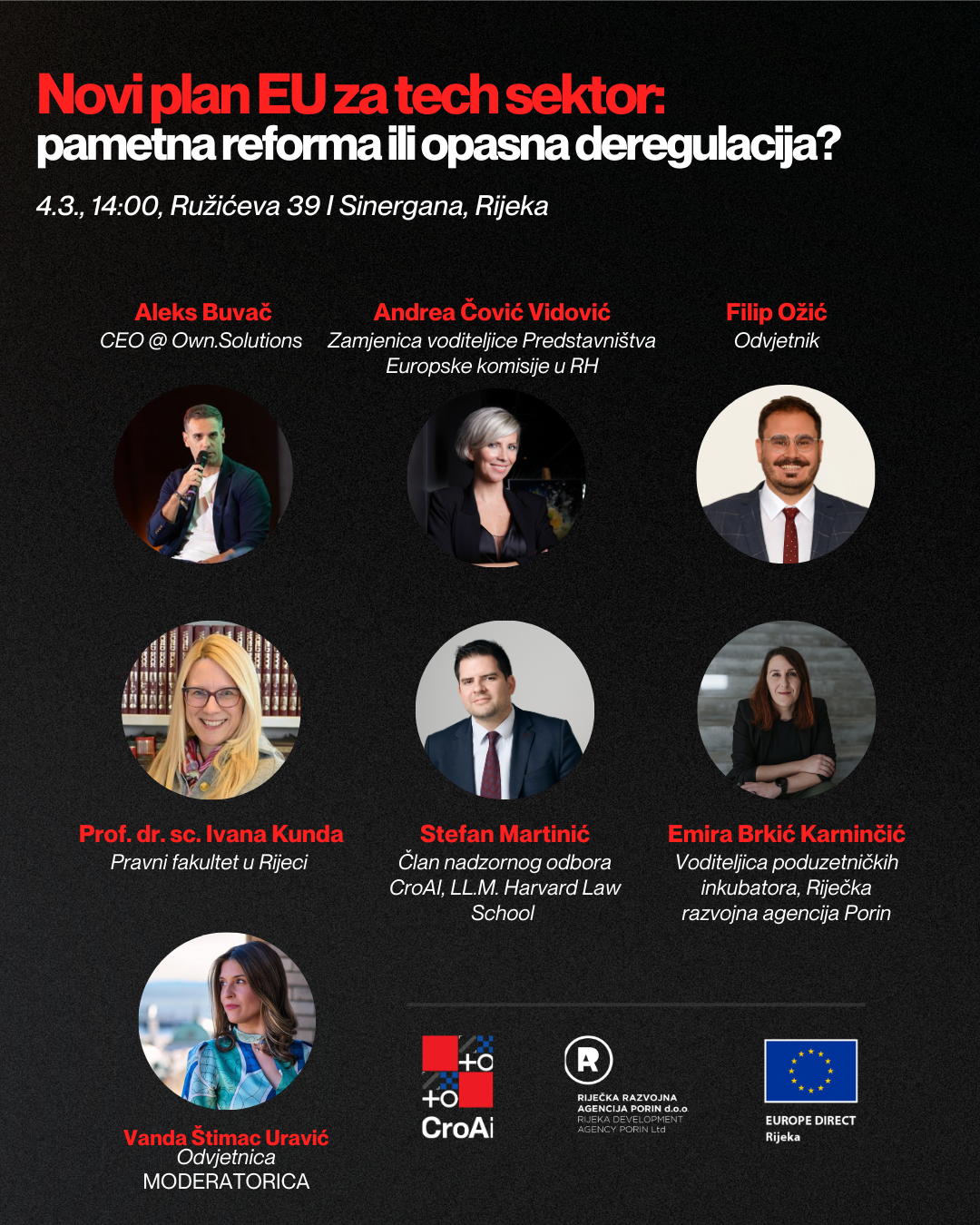
On 4 March, from 2 p.m. to 4.30 p.m., the CroAI Legal Club will be held in Sinergana (Ružićeva 39, Rijeka), an expert panel discussion dedicated to one of the most pressing issues of European digital policy: the future of the regulatory framework for the technology sector.

The focus of the event is the proposal of Fr. Digital Omnibus which European Commission suggests a possible relaxation of regulatory requirements in areas such as GDPR, AI Act, NIS2 Directive, DORA and Data Act. While part of the industry sees this initiative as an opportunity to strengthen Europe's competitiveness and administrative burden on business, others warn of the risk of weakening the protection of fundamental rights and security standards.

  • What is behind the new EU plan?
  • Will it bring smart reform or open up space for regulatory uncertainty?
  • How will it affect tech companies, entrepreneurs and public institutions?

These issues are discussed in the panel:

"A new EU roadmap for the tech sector: smart reform or risky deregulation?’

Panellists:

  • Alex Buvač, CEO@Own.Solutions
  • Andrea Čović Vidović, Deputy Head of the European Commission Representation in Croatia
  • Stefan Martinić, Member of the Supervisory Board of CroAI, LL.M., Harvard Law School
  • Prof. dr. sc. Ivana Kunda, University of Rijeka, Faculty of Law (PRAVRI)
  • Emira Brkić Karninčić, Head of Business Incubators, Rijeka Development Agency Porin

The moderator of the panel is Vanda Štimac Uravić.

An introduction to the panel will be given by a lawyer Filip Ožić, The European Commission's priorities closely related to the regulation of artificial intelligence will also be addressed. Zrinka Ujević, Head European Commission Representations in Croatia.

Event with EUROPE DIRECT Rijeka, we organize with CroAI (Croatian AI Association) CroAI is the leading Croatian association for artificial intelligence, which brings together more than 400 members from the business, academic and public sectors and actively contributes to the development of the AI ecosystem through education, public policy making and international cooperation. Through the initiative Legal Club, CroAI encourages expert dialogue on regulatory, legal and ethical aspects of the development and application of artificial intelligence.

The panel will be held in the space Sinergane, a modern centre dedicated to innovation, entrepreneurship and cooperation, which is the new hub of Rijeka’s start-up and technological ecosystem. Synergana's concept of connecting entrepreneurs, technology companies and development institutions provides an ideal environment for discussing the future of digital regulation in Europe.

Participation is open with prior registration via the Application Form.
[RADIONICA] Creating a user path map

You have a good product or service. Your clients are coming to you. However, some of them do not complete the purchase, do not return or remain dissatisfied even though you are doing everything right.

In practice, the problem is very often not in the offer, but in how the user Experience the way through your business. This is where it helps User Path Folder (Customer Journey Map).

What is a User Path Folder?

The User Path Map is a visual representation of all the steps that the user goes through in contact with your business, from the first knowledge for you to cooperation, use of the service and re-purchase.

It allows you to stop looking at the business only from your perspective and to clearly see how the user thinks, feels and decides at every step.

In other words, the folder answers the question “What does my business look like from my customer's shoes?’

What's being mapped?

When creating a user path map, four key things are considered:

1. Phases of the user's path

  • how the user hears about you for the first time
  • how to request information
  • How it makes a decision
  • how it uses your service
  • What happens after the end of the collaboration

2. Touchpoints

  • website
  • social networks
  • Email, phone call
  • offer, account, follow-up message
  • customer support

3. Expectations and emotions of users

  • what the user expects
  • which is obscure or confusing to him
  • where he feels safe and where he feels frustrated

4. Problems and Opportunities

  • where users give up
  • where they lose their trust
  • where there is an opportunity for improvement brought about by a concrete business result

Why is the user path map important and why do we make it at the workshop?

User Path Map helps you view your business From the perspective of the user and identify where you lose opportunities and where you can easily improve your experience and customer satisfaction. It often turns out that small changes in communication or process have a great impact on trust, loyalty and re-purchase.

The user path map is not a theoretical document, but working tool. That is why we make it at the workshop, with professional guidance and a structured process Klara Frančišković, Customer Experience Advisor helping self-employed, micro and small entrepreneurs identify values important for building a business and creating loyal customers.

At the workshop you will learn:

  • create a unique user journey that cannot be easily copied by your competitors;
  • integrate emotions into every step of your sales process,
  • identify the unspoken needs of the user,
  • establish a feedback system that turns criticism into growth opportunities.

The workshop is designed as a practical work, without complicated methodology and abstract theory. At the end of the workshop, you come out with a ready-made map of the user path and a clearer understanding of what you can improve in your business, immediately and without major investments.

Information and applications

TERMIN 1

  • Friday 27 February at 2 p.m.
  • Applications are closed

TERMIN 2

  • Friday 6 March at 2 p.m.
  • Applications are received here

The workshop was organized in cooperation with Eduza.hr.

[RADIONICA] From idea to website in one day: Practical use of AI with Lovable

According to estimates, more than half of small businesses in Croatia still do not have a functional website. At the same time, an increasing number of customers and partners expect a clear and credible online presence, and business entities without a website are often perceived as less reliable. Social networks are no longer enough.

The good news is that creating a website today does not have to be expensive or time-consuming. With the help of artificial intelligence, it is possible to create a basic, professional website in one day, without programming and without technical pre-knowledge, by simply describing what you are doing and who you are addressing.

It is on this idea that the workshop is based ‘From idea to website in one day: the practical application of AI alongside Lovable’, which we organize for entrepreneurs, craftsmen and all those who want to quickly and concretely improve their online presence.


Date: Friday 30 January 2026

Time: Beginning at 2 p.m.

Duration: 3 hours

Location: RRA Porin, (Conference Hall of the Torpedo Production Park) Milutina Barača 60, Rijeka


What will you learn?

How to use AI tools Lovable create a complete website by simply describing:

  • what you do,
  • to whom you speak,
  • what kind of website you want.

The aim of the workshop is for each participant to create their own website or its functional basis ready for further use by the end of the workshop, with mentoring and practical work.

Workshop concept

The workshop is completely hands-on. It is based on joint work. No lectures, no slides.

That's why he be sure to bring a laptop.

Workshop leader

The workshop is led by Adrian Poznić, PhD student at the Faculty of Economics and Business in Zagreb and serial entrepreneur with experience in launching several start-ups. He is currently acting as director. KUT Agency and the president of the association KUT, with a focus on the practical application of digital tools in business.

Log in

Participation in the workshop is free, The number of seats is limited.

  • Applications are received here.

You can apply by 12 noon on Wednesday 28 January or until capacity is filled.

[TORPEDO DAYS] 8th edition to reinterpret industrial heritage through innovation and sustainability

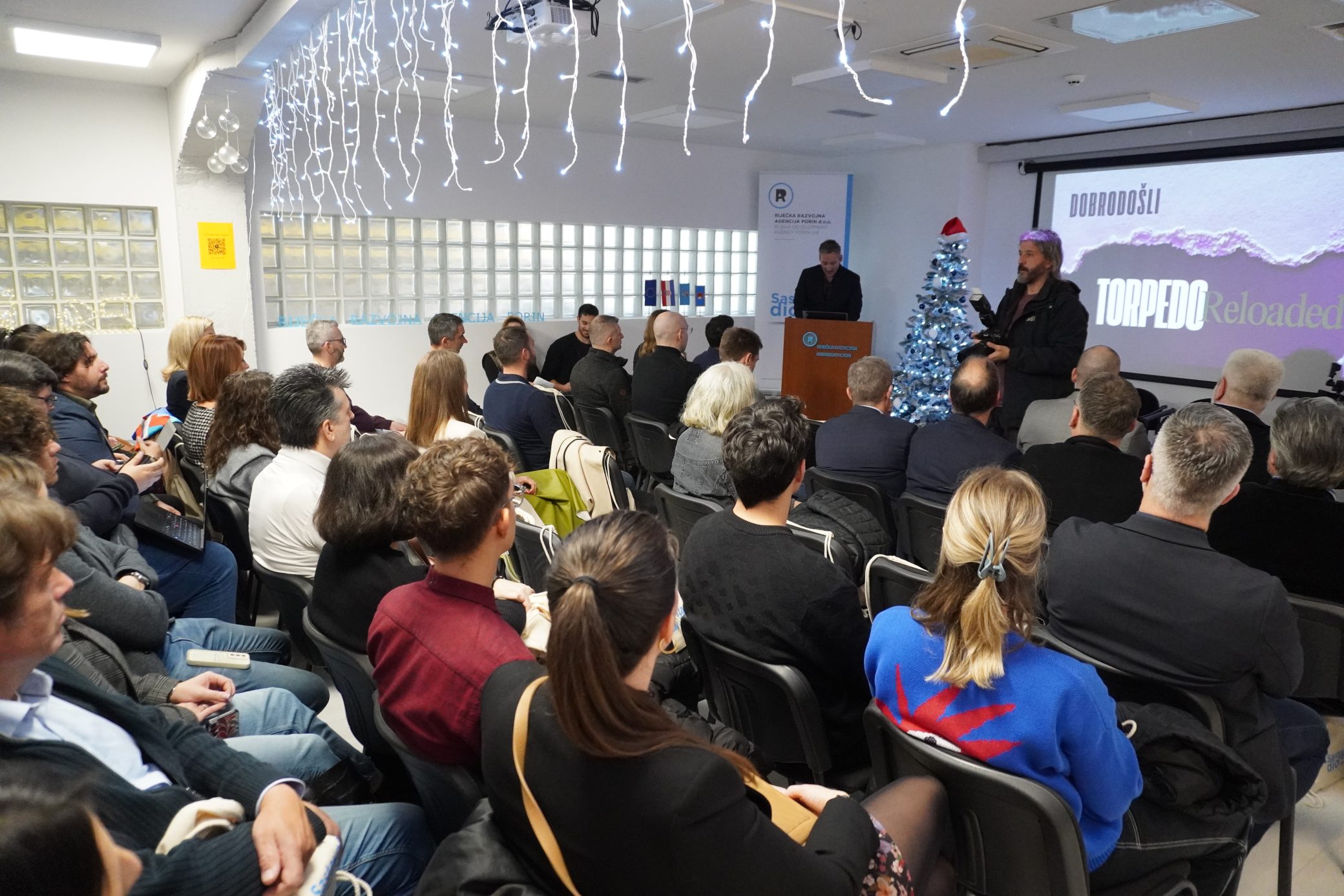
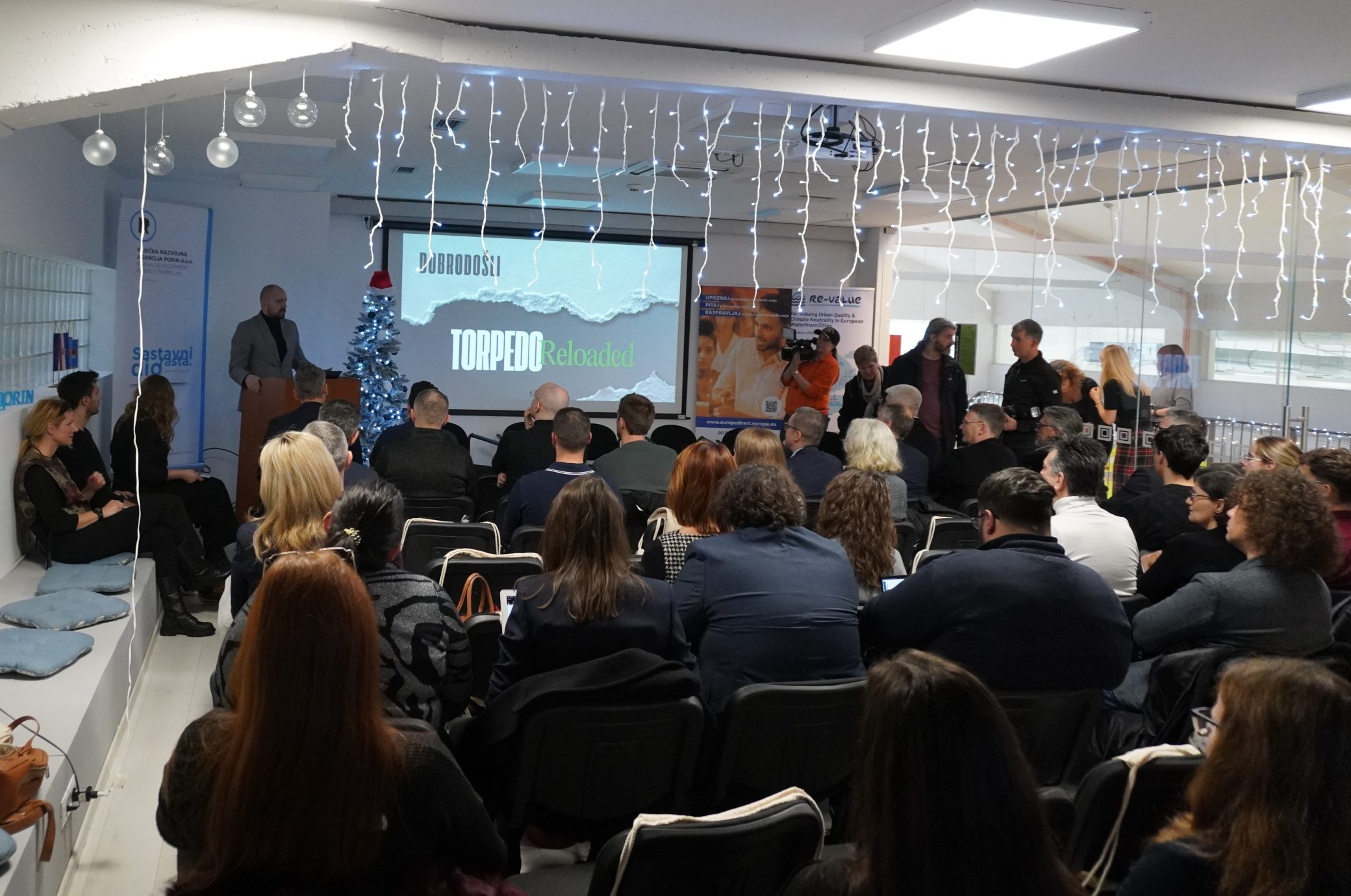
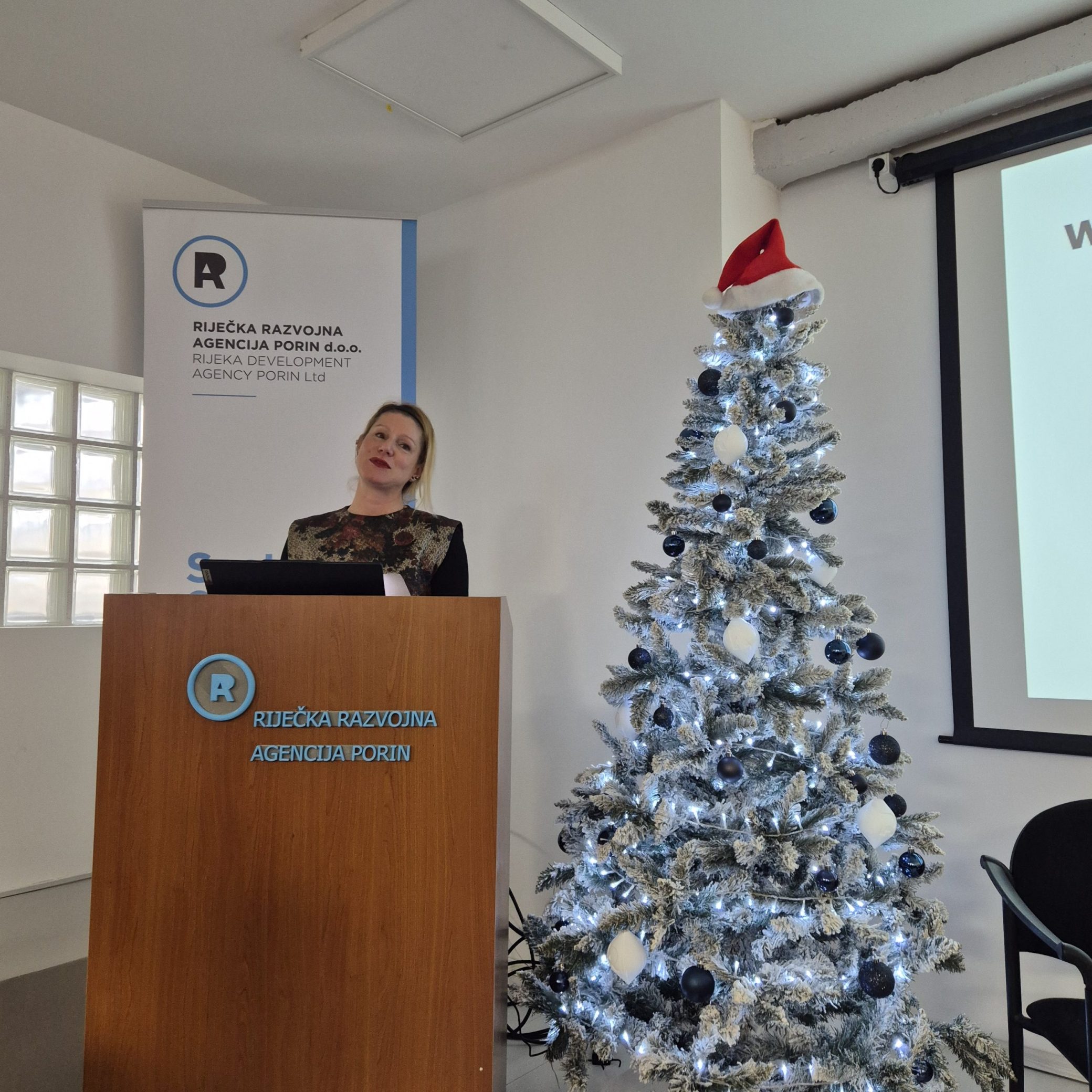
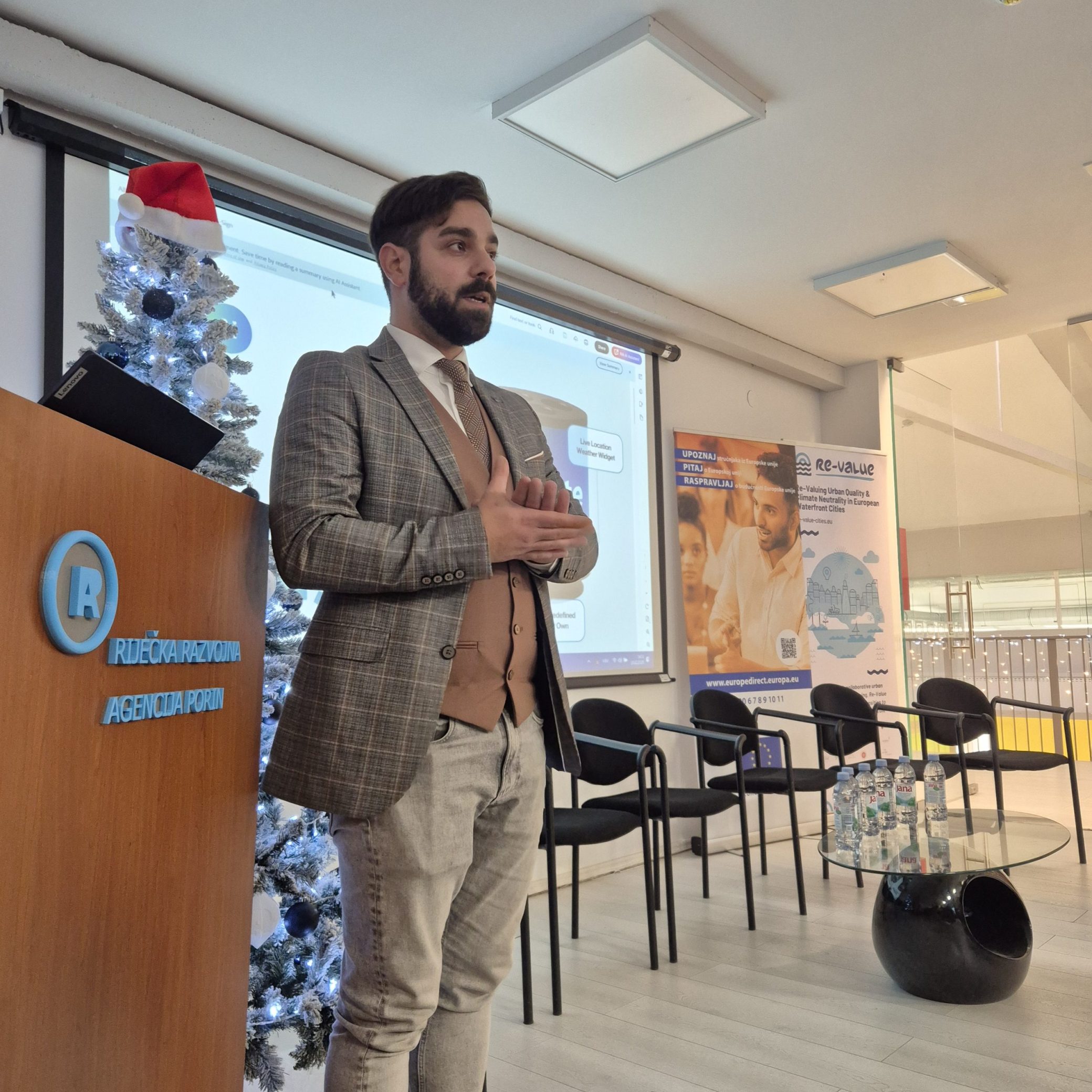
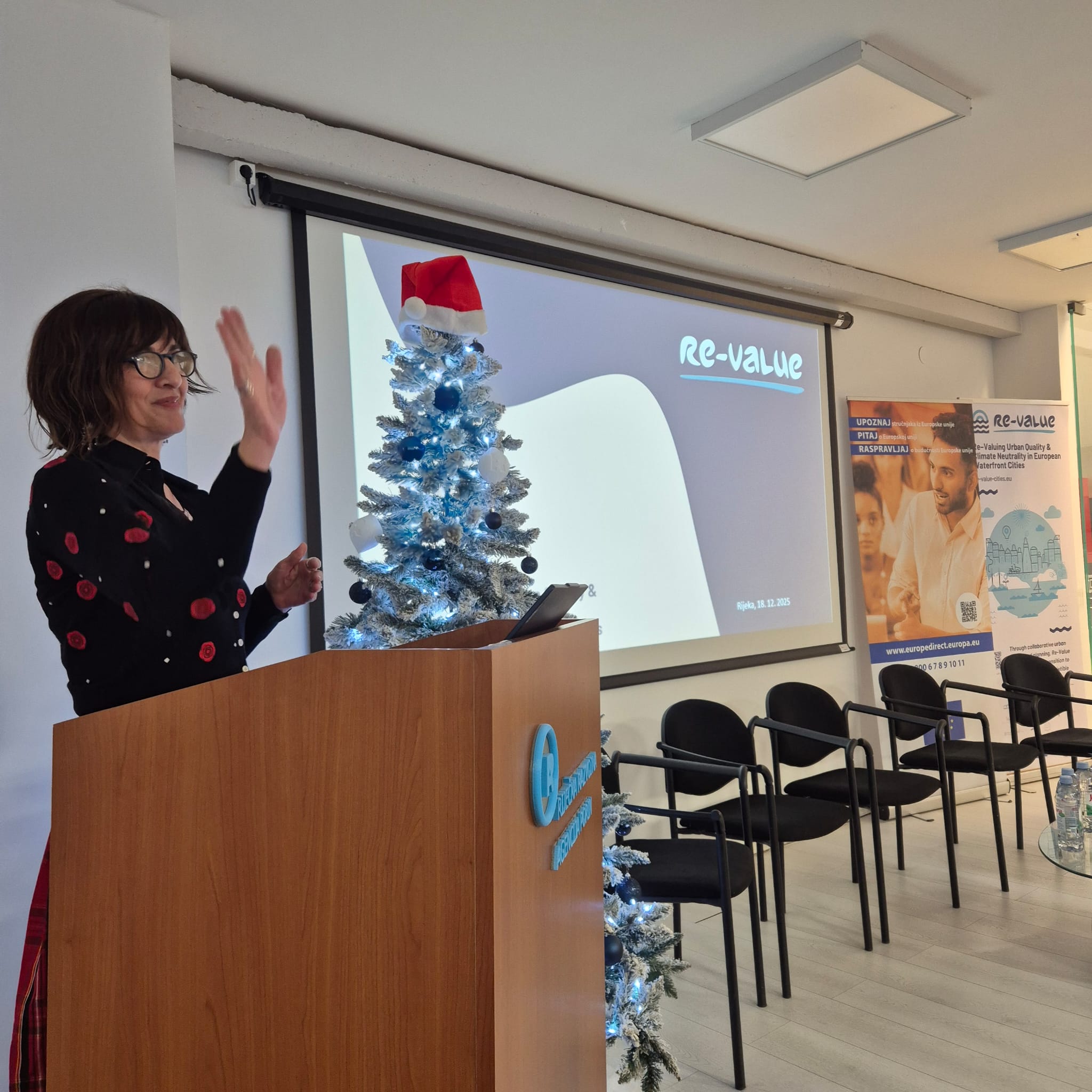
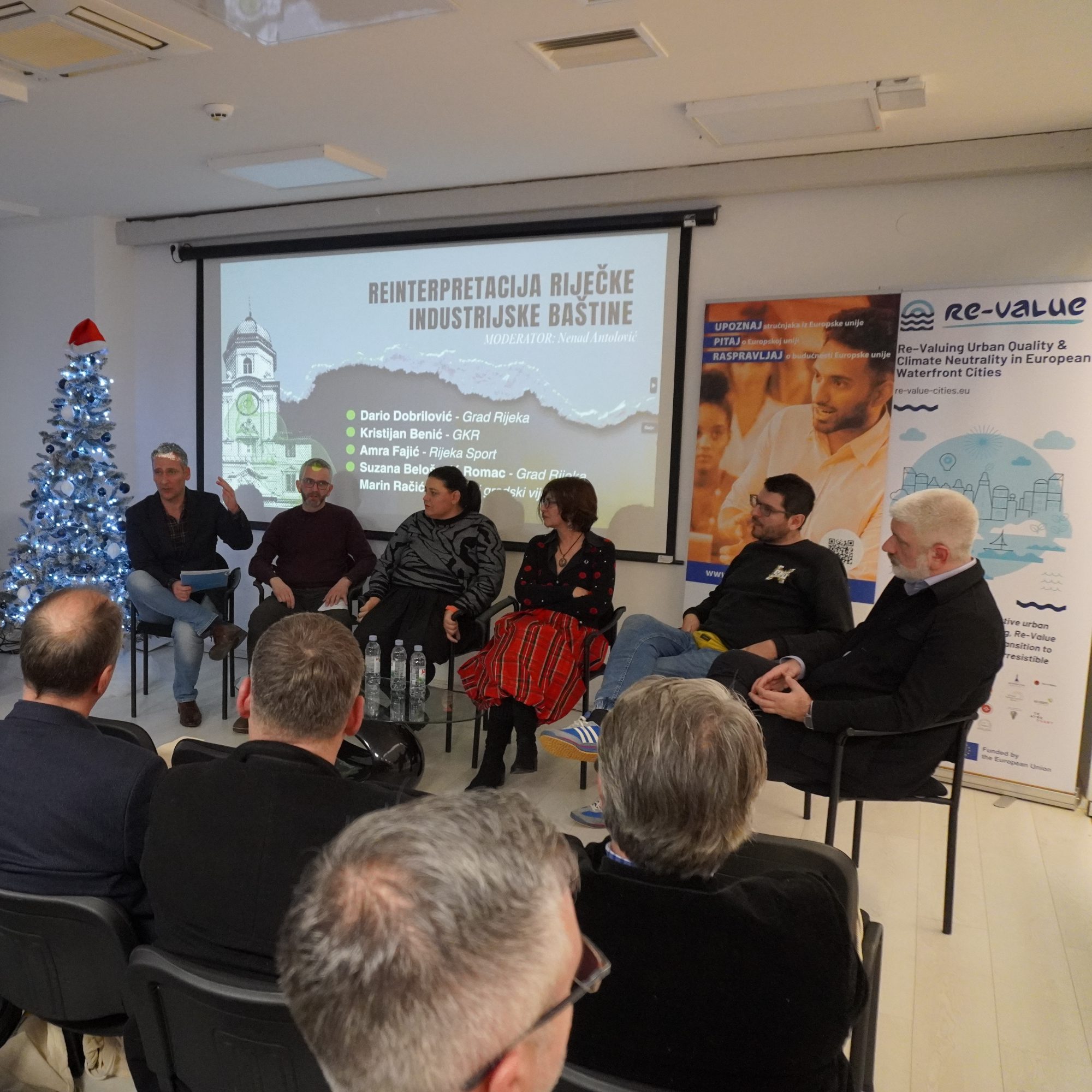
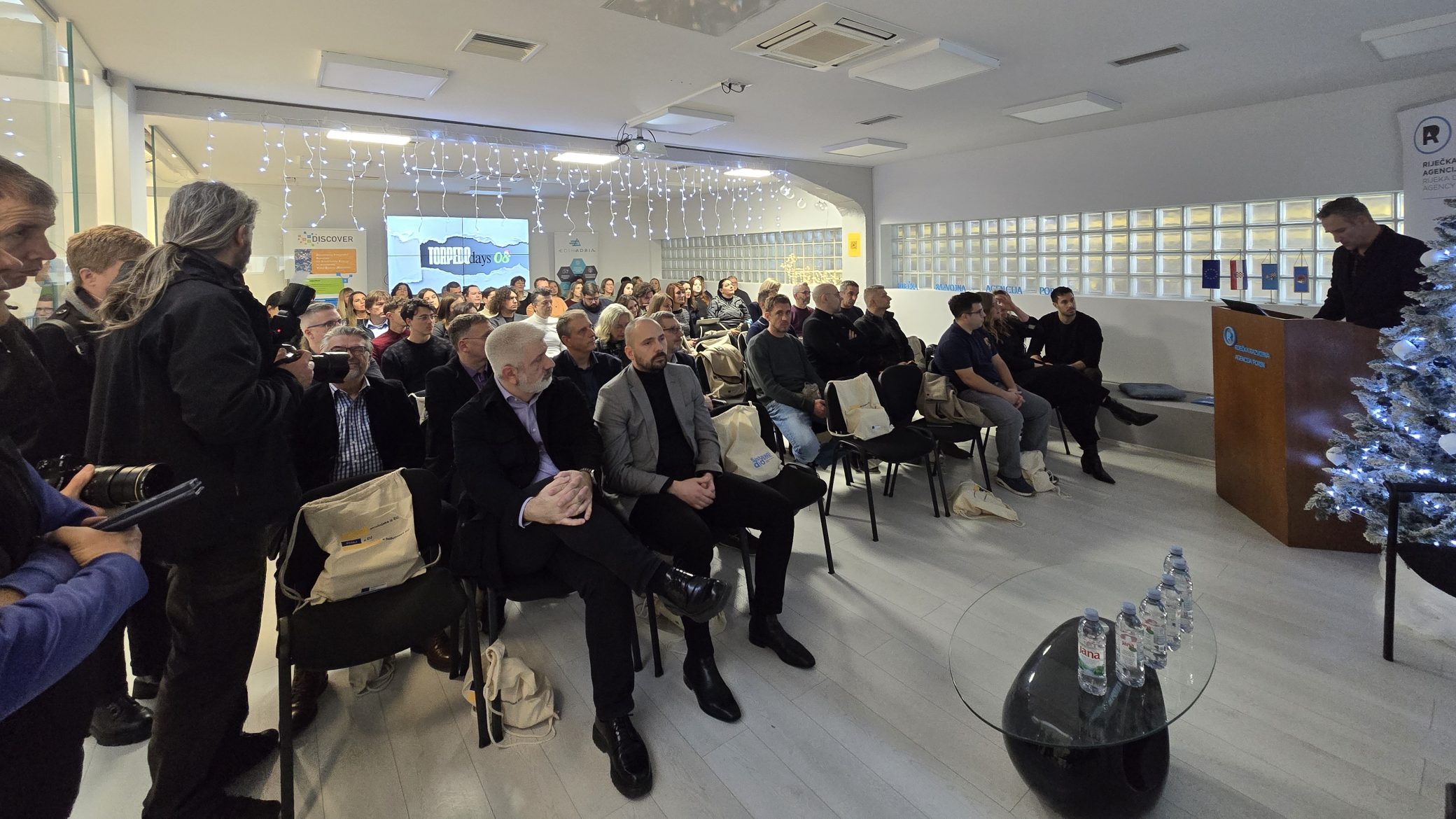
On Thursday, 18 December 2025, the eighth edition of the Torpedo Days – Torpedo Reloaded event was held at the Torpedo Production Park, dedicated to the reinterpretation of Rijeka’s industrial heritage through technology, innovation and sustainability.

The event brought together representatives of Rijeka startups, technological and creative teams, experts for sustainable development and institutions and projects that actively participate in shaping the development of Rijeka. Through innovation showcase, a panel discussion and good practices is an open dialogue on how the city’s industrial past today is transforming into the foundation of its digital and green future.

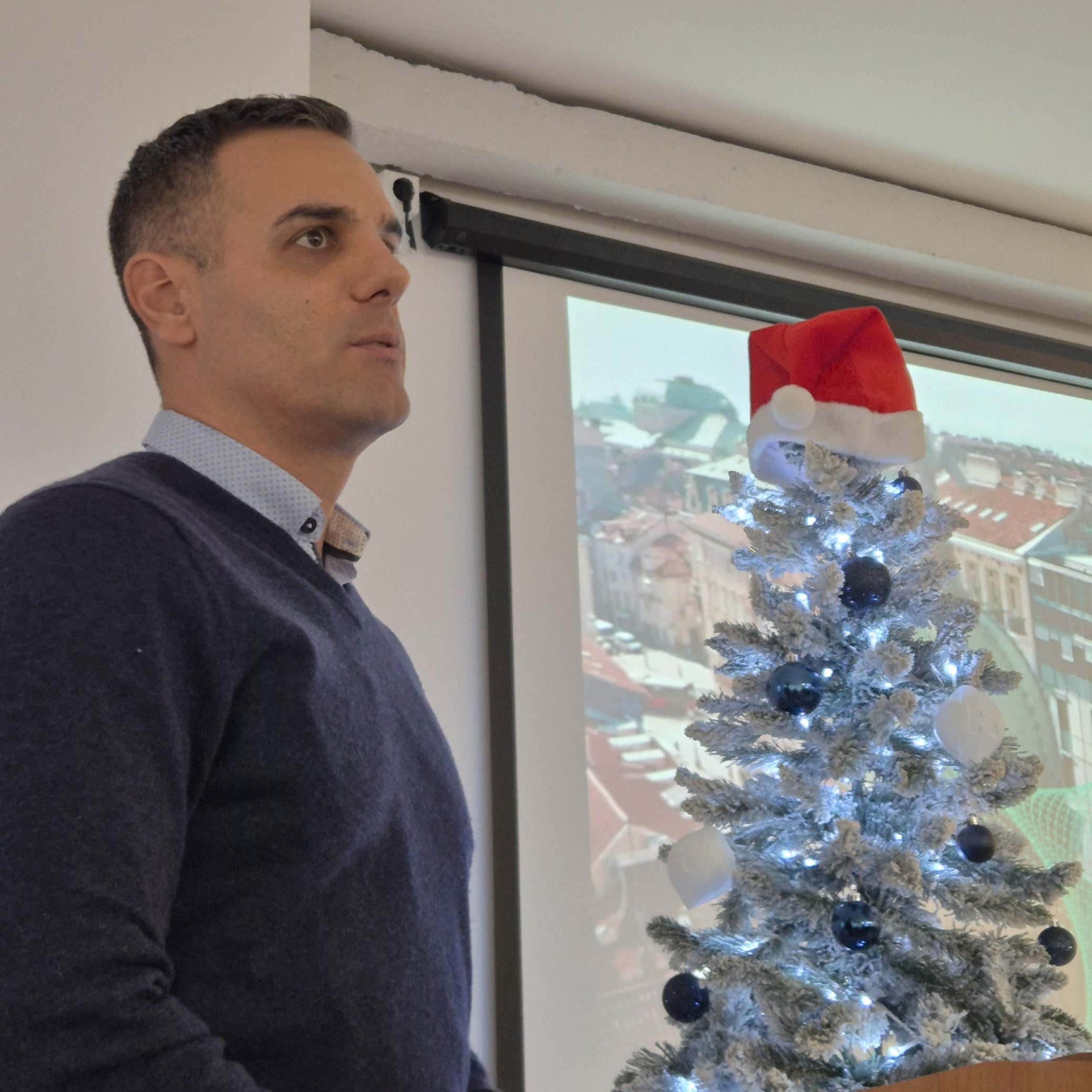
A special symbolism of this year's edition was given by the information shared with the gathered by the director Nenad Antolović during the introductory greeting that Europe Direct Rijeka He was given a new five-year term., This confirmed the continuity of the work, the quality of the programme and the role of Europe Direct Centre as an important actor linking European policies to local development.

The meeting was also welcomed by the Deputy Mayor of Rijeka. Aleksandar-Saša Milaković pointing out that Torpedo Days has over the years grown into an important meeting place for ideas, knowledge and people who are actively thinking about the future of Rijeka, emphasizing that the city is entering a new phase of economic and industrial development, with the clear aim of creating an enabling environment for investments, entrepreneurship and quality life of citizens.

Innovation remains in the DNA of the river

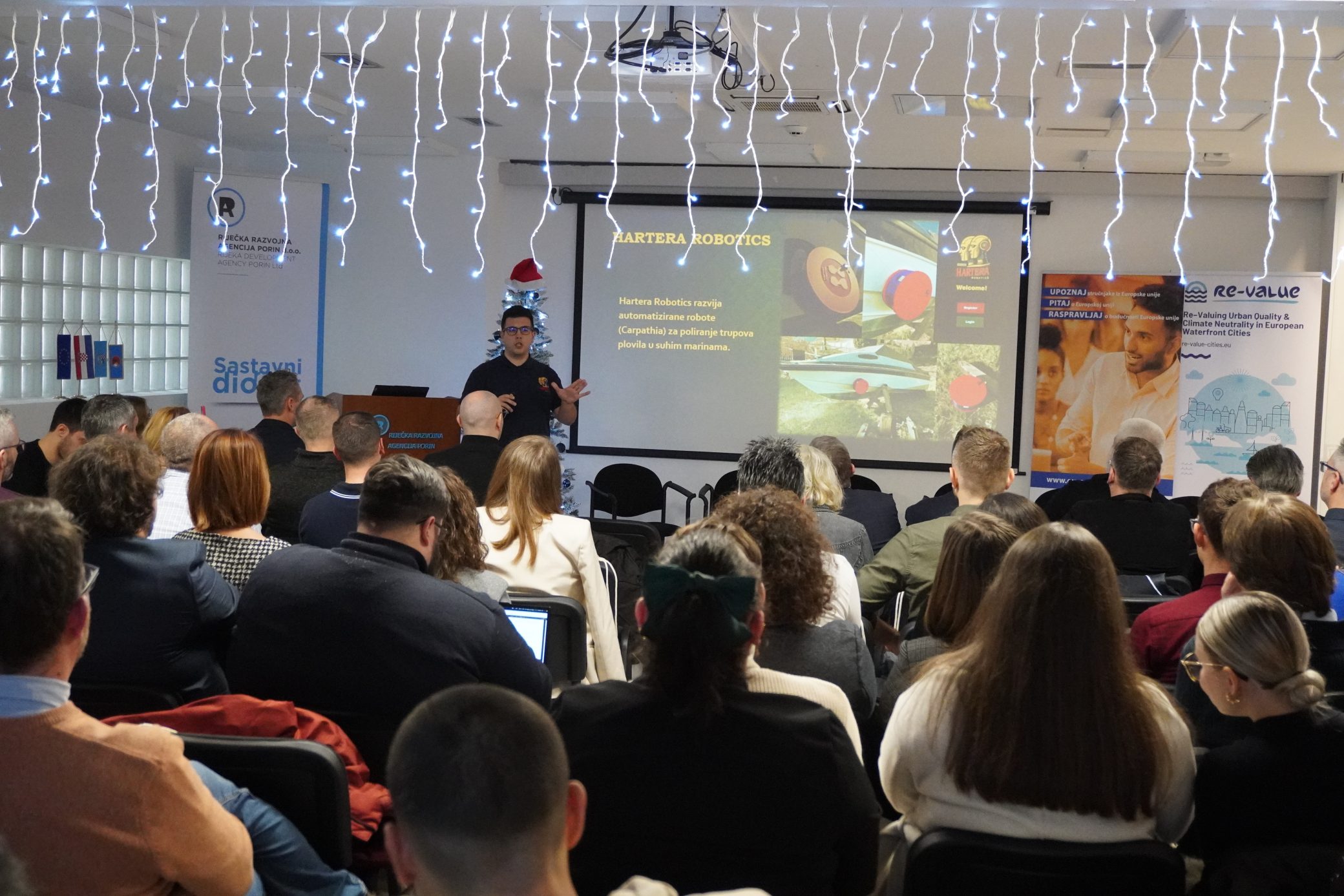
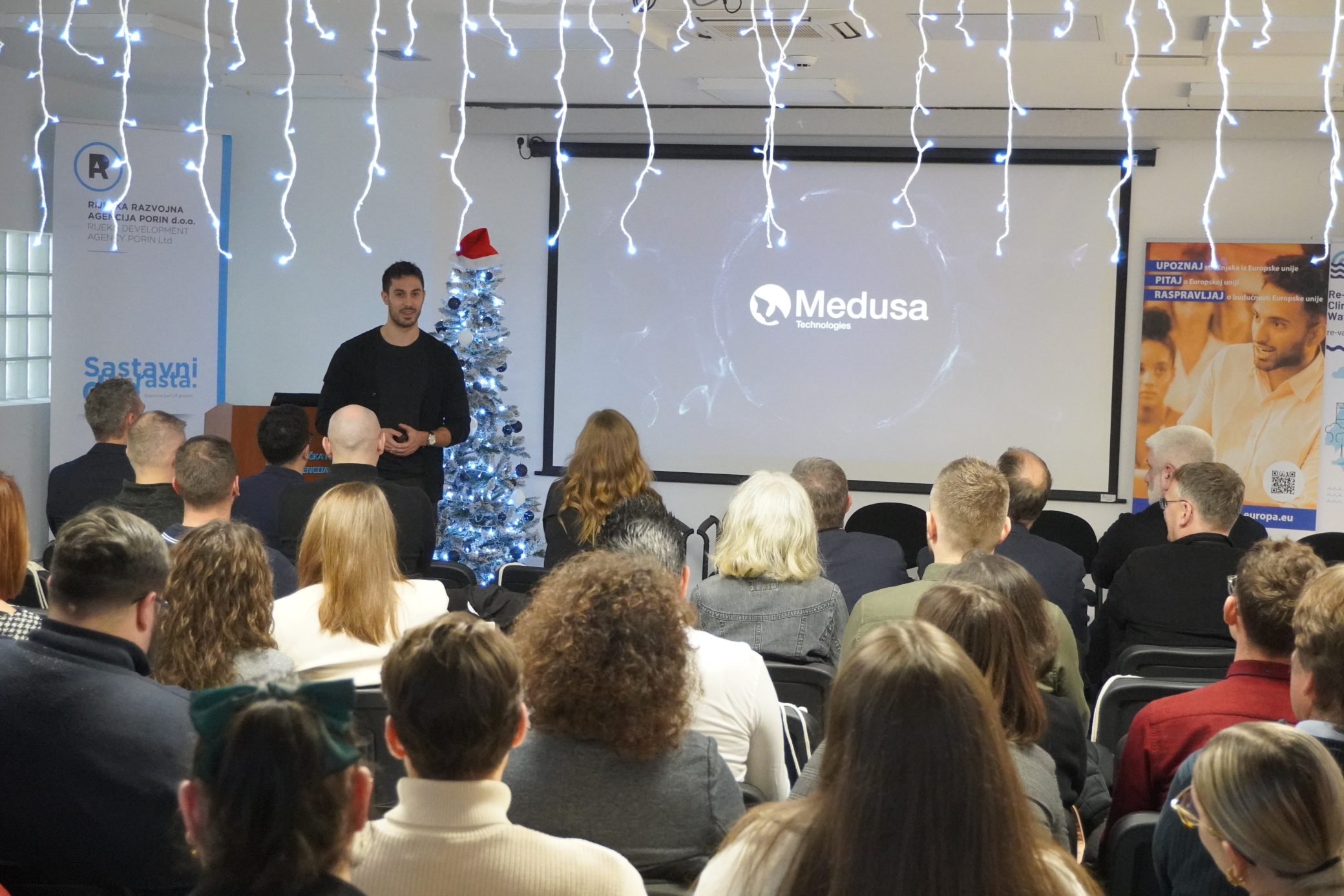
Within innovation showcase "Innovation remains in the DNA of Rijeka" Rijeka startups and teams that today shape the local technological scene presented themselves. Through short presentations Own.Solution, Hartera Robotics, Medusa Technologies, Nomiea and Exevio showcased how Rijeka's ideas are developed in the areas of software, robotics, artificial intelligence and creative technologies, confirming that Rijeka still produces, only in a different way.

Industrial heritage as a development resource

Special emphasis is placed on EU project Re-Value, aimed at transforming coastal and former industrial spaces into new public, cultural and creative zones. Through case study and panel discussion "Reinterpretation of Rijeka's industrial heritage" there is an open discussion on concrete examples from Rijeka, including: Energanu, Benčić complex, Exportdrvo and other locations that are gaining a new role in the urban development of the city.

The debate highlighted the importance of connecting spatial planning, EU projects and development policies of the City of Rijeka, but also the need to reflect on future industrial heritage management models.

Shaping the future of Rijeka

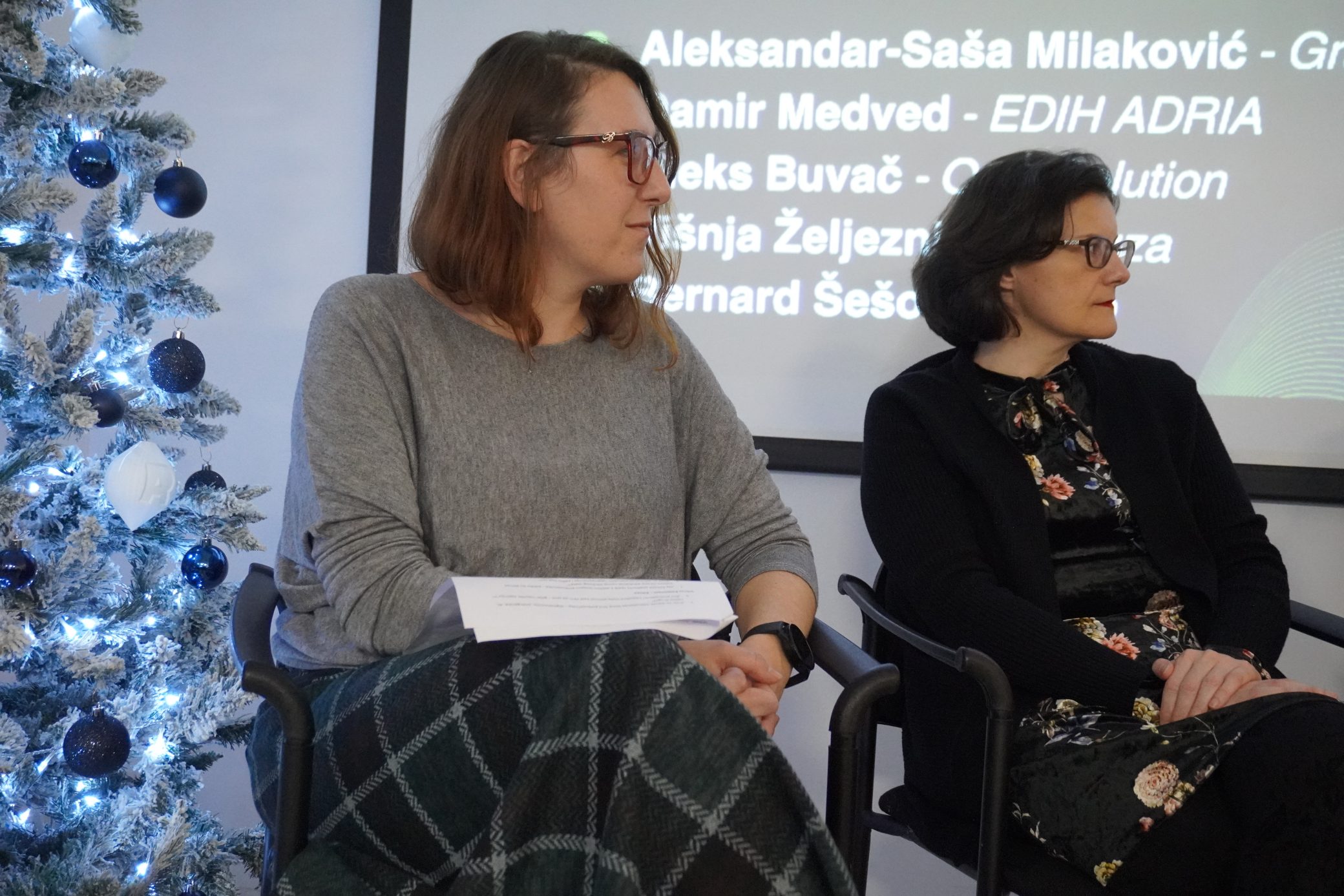
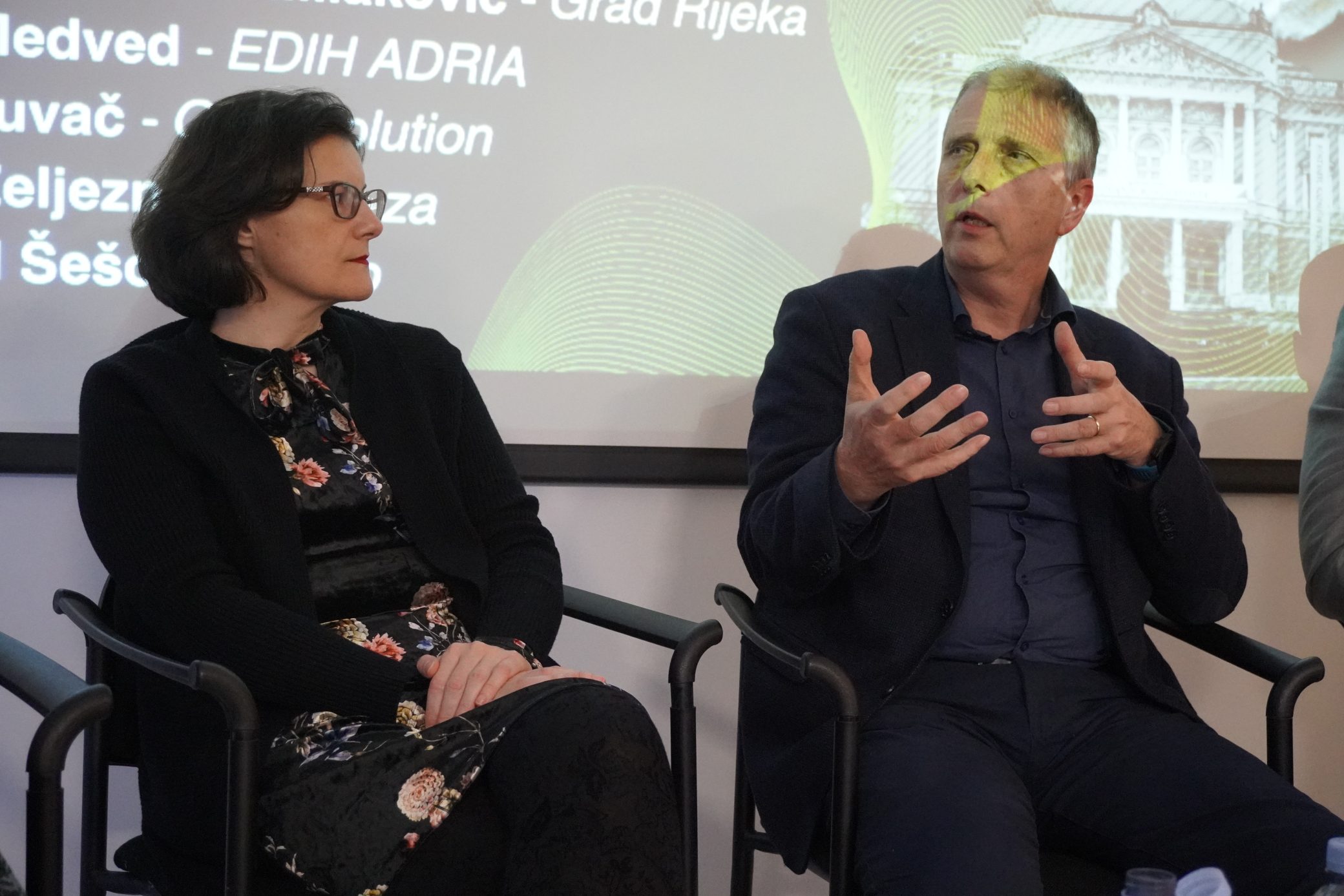
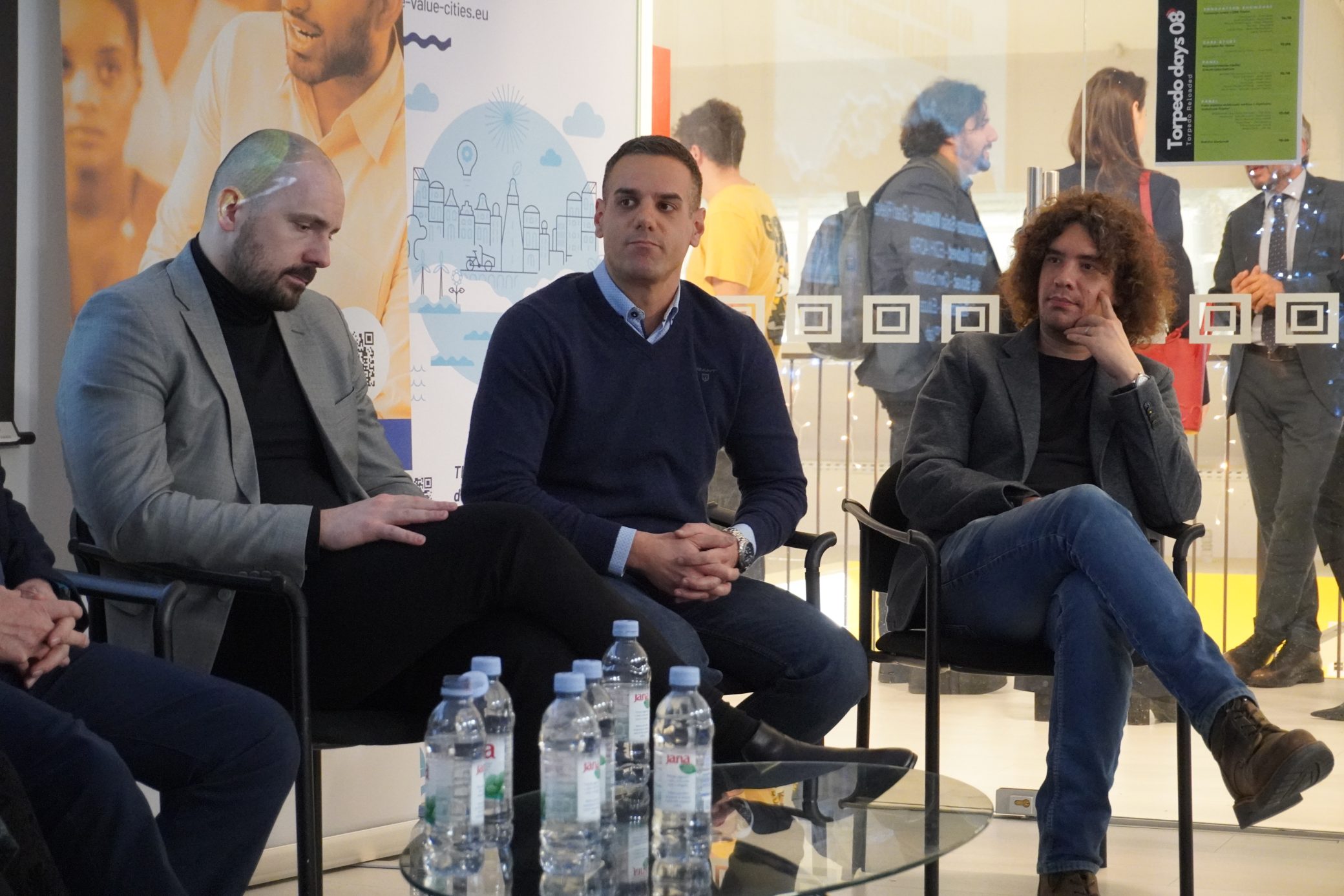
Final panel "How to shape together Rijeka's sustainable and digital future?" gathered representatives City of Rijeka, EDIH Adria project, Rijeka entrepreneurs and creative and academic sector. It stressed the importance of cooperation between the public, private and civil sectors in the development of a city that simultaneously preserves its industrial heritage and builds modern, sustainable growth models.

Discussions have shown that sustainability is not only an environmental trend, but a necessary framework for the planning of future urban spaces, the entrepreneurial environment and the quality of life of citizens.

Old drives, new ideas

The eighth edition of Torpedo Days once again confirmed the role of this event as meeting places, exchange of ideas and joint reflection on the development of Rijeka. At the same time, industrial heritage is not seen as a relic of the past, but as an active resource that, in synergy with new technologies and innovations, can become the basis for sustainable urban development.