From 18 to 22 May 2026 Vienna becomes one of the most important European startup hubs through the ViennaUP 2026 festival.
It is one of the largest start-up events in Europe, bringing together entrepreneurs, investors, innovators and experts from around the world.
The festival is known for its strong international response. Last year, it gathered more than 15,000 participants from more than 90 countries.
What does ViennaUP bring?
ViennaUP it is held through a series of events distributed throughout the city, from lectures and workshops to pitch sessions, panels and informal meetings.
Participants may:
connect with investors and potential partners,
participate in workshops and panel discussions;
present their projects and ideas,
participate in informal networking events.
The decentralised format allows participants to choose their own events and create their own program, and thanks to a large number of partners and a diverse program, ViennaUP offers the opportunity to exchange knowledge, find new partners and develop business internationally.
According to the latest Allianz Risk Barometer 2026, Cyber risks for the fifth year in a row First place Among the biggest threats to business, with a record 42 % the answer, which is as much as 10 percentage points ahead of the second-placed AI. In Croatia, the situation is even more pronounced: Cyber risk has risen to First place It's the biggest threat to domestic companies.
Of particular concern is the fact that small and medium-sized enterprisesIncreasingly frequent target attacks. Hackers know well that small businesses often do not have enough resources, knowledge or a special IT department for strong protection, and the consequences can be catastrophic, from several days of business interruption, loss of client base to serious financial damage and loss of trust. Many entrepreneurs still think: ‘We're too small to be a target.“
Unfortunately, the statistics show the opposite. Hackers often target small and medium-sized businesses because they usually have less protection, and the consequences of attacks can be catastrophic, from several days of business interruption, loss of client confidence to serious financial losses.
How to protect yourself if you don't have your own IT department, and you don't have the time or the desire to get into the technical details? The solution is in knowledge and practical steps.
That's why in cooperation with the company Data Box we organize a practical workshop "Cybersecurity – what every entrepreneur needs to know".
The workshop is intended for owners and employees of micro and small enterprises who want to understand the basics of cybersecurity in a simple, clear and applicable way, without too much expert jargon. The focus is on the real situations you face on a daily basis: identifying fake emails, working safely from home, protecting customer data, basic measures that every small company can quickly implement, and how to work smartly with IT partners.
The training is led by experienced experts from Data Box, Croatia’s leading data centre and cloud provider, and managed IT services. Data Box has many years of experience in data protection, highly accessible infrastructures and cybersecurity. Their experts work every day to ensure companies have a high level of protection, 24/7 data availability and quick recovery in case of problems. The workshop will share practical knowledge and advice based on real-world cases.
What can you expect from the workshop?
Understanding the biggest risks for small businesses.
How to avoid that an IT technical problem becomes a serious business problem?
Check-list of minimum security measures that you can apply immediately.
Tips on how to organize an IT system to grow together with your company.
Clear guidelines for cheap and effective protection without large investments.
Place and date of the workshop
The workshop will take place 28 April 2026 at 2 p.m. the Torpedo Production Park Milutina Barača 60, Rijeka.
The workshop is free of charge, The number of seats is limited. In order for the workshop to be as useful as possible for you, please fill out a short questionnaire and register here.
Your safety and restful sleep begin with knowledge. Don't wait for the problem to happen, get ready in time.
You have an idea for a new product, service or business model, but you are not sure if it is really an innovation and how to turn it into a concrete project?
These are the questions that education deals with. Development of innovation and opportunities for financing from EU funds, intended for entrepreneurs, but also for anyone who develops projects with innovation potential.
The aim of the training is to provide a better understanding of innovations and their application in business, tools for assessing and structuring innovation projects and an overview of concrete sources of funding and ways of applying.
What does innovation mean and how to turn an idea into a project?
In a business context, innovation is not just a "new idea", but a solution that brings concrete value to the market, users or organisation. During the training you will get a clear insight:
what constitutes innovation and what are its key dimensions;
the difference between different types of innovation according to their impact,
how to identify and describe the innovativeness of your own idea or project.
One of the key challenges for entrepreneurs is to turn the idea into a structured project. The training will cover:
how to assess the level of innovation and technology readiness (TRL);
how to define the objectives and expected impact of innovation;
what are the typical activities and costs of developing an innovation project,
how to assess the market potential and sustainability of an idea.
The aim is to provide a practical framework for the development of projects that have a realistic chance of funding.
EU funds and funding opportunities
Education provides an overview of current and announced innovation funding opportunities, including:
national EU tenders such as programmes to demonstrate an innovative concept, digital vouchers and strengthening the innovation capacity of companies;
specific initiatives such as STEP SPIN and the Smart Skills Development Programme;
opportunities for young researchers’ start-ups and spin-offs.
The aim is to get a clearer picture of which source of funding is best suited to the project depending on the stage of development.
Participation is free of charge and registrations are limited and accepted here.
The Rijeka Development Agency Porin provides professional support to entrepreneurs, institutions and organizations in the preparation, application and implementation of projects financed from EU funds and other sources of financing. Through counselling and mentoring, we aim to help you turn your idea into a project that has real market and financial potential.
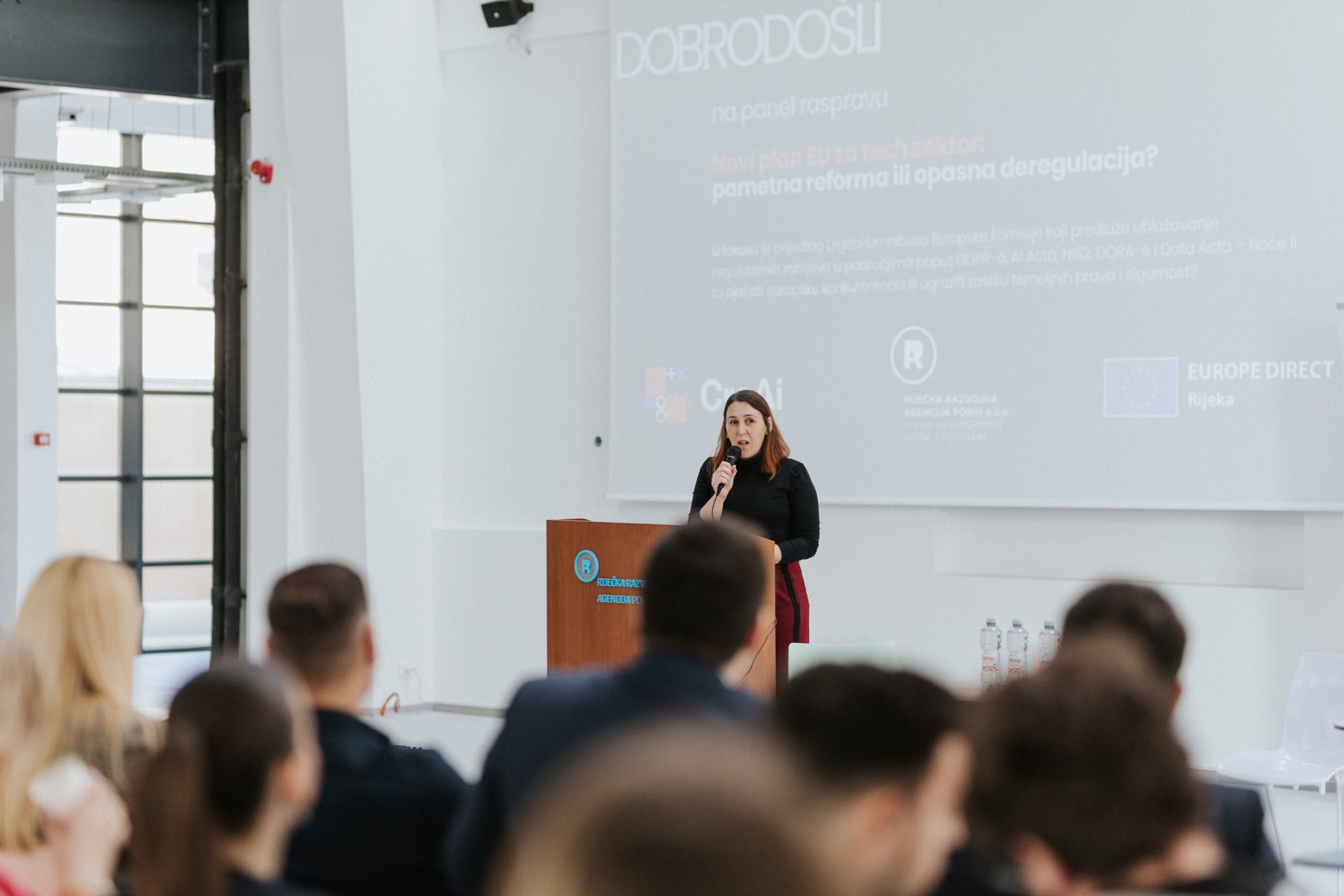
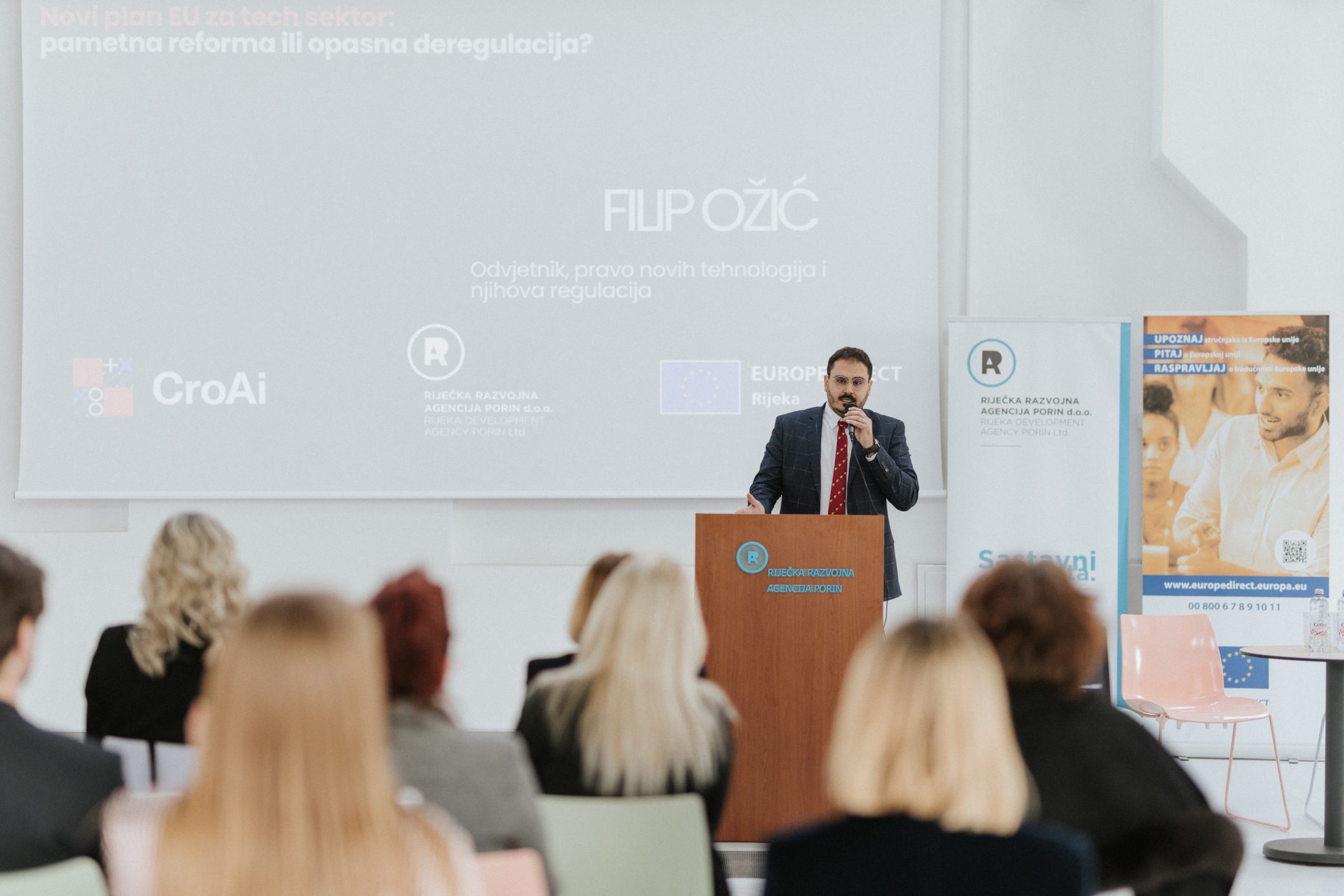
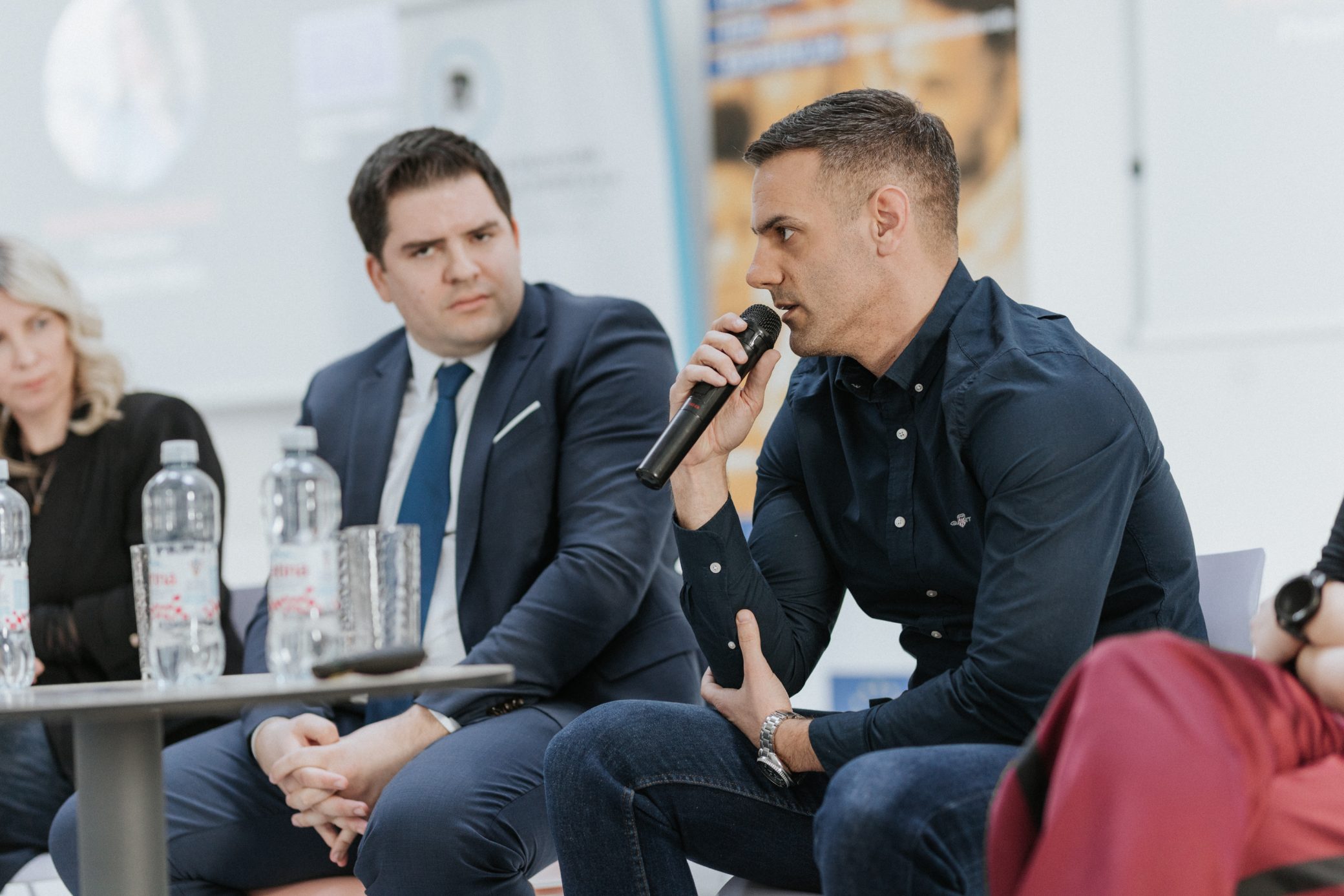
In the space Sinergane, a new business incubator in Rijeka dedicated to creative technologies and IT industry, was held at the CroAI Legal Club – an expert panel discussion dedicated to one of the most pressing issues of European digital policy: the future of the regulatory framework for the technology sector and the possible changes brought about by the European Commission's proposal, the so-called Digital Omnibus.
We organized the event with Europe Direct Centre Rijeka i CroAI (Croatian AI Association) to open an expert debate on the impact of European digital regulation on the development of the technology sector, entrepreneurship and innovation.
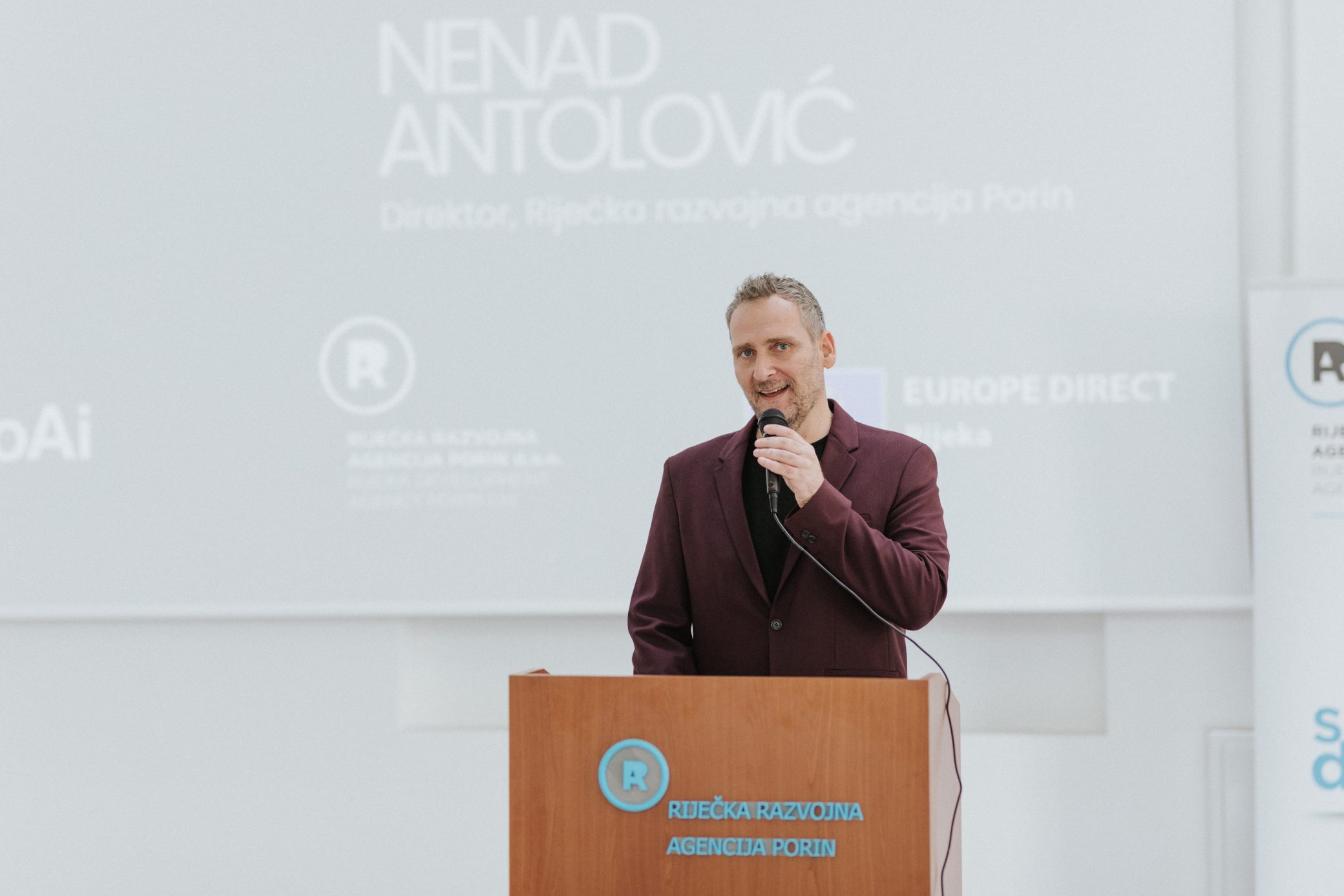
On behalf of the organizers, he welcomed Emira Brkić Karninčić, Head of business incubators at the Rijeka Development Agency Porin, stressing the importance of the space of Sinergana as a meeting place for innovation, entrepreneurship and technological development. The participants were then addressed by the director of the Rijeka Development Agency Porin Nenad Antolović, Welcoming representatives of the European Commission, experts from industry, academia and the public sector gathered to discuss one of the key issues of European digital policy.
Introductory speech started Tomislav Nikočević, Member of the Management Board of CroAI, who spoke about the role of the association in the development of the Croatian AI ecosystem and the need to find a balance between protecting users and encouraging innovation.
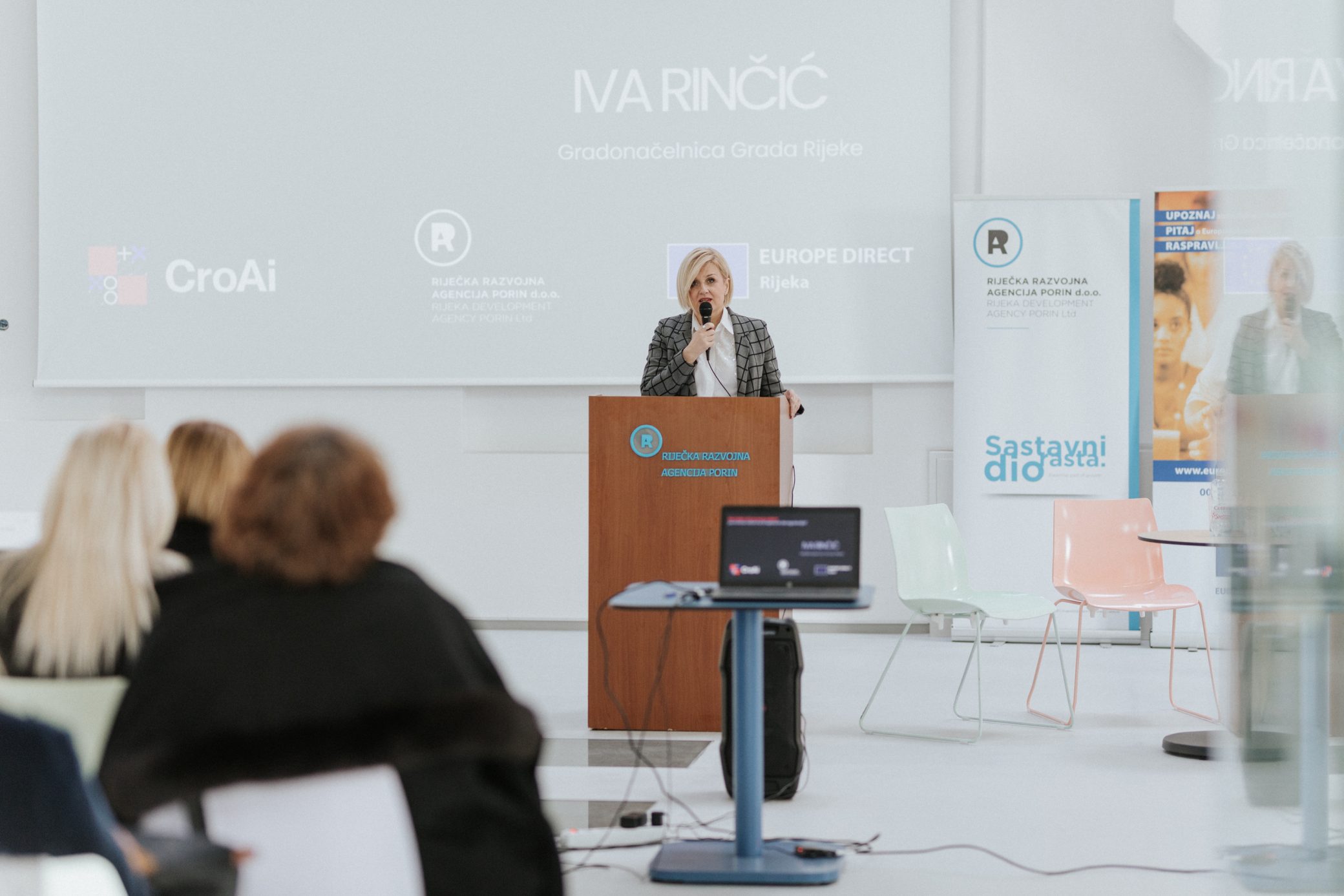
Mayor of Rijeka Iva Rinčić emphasized the symbolism of the event in the space of Sinergana, recalling that it was a space of former industrial production in which innovations changed the world, expressing the expectation that new content in this space will continue Rijeka's industrial tradition of innovation.
For the first time in the history of the European Union, AI has been given a comprehensive regulatory framework. The question now arises – should and how this framework be adapted to keep Europe competitive in the global race without compromising the standards of privacy, security and human rights protection that we have built for years?’
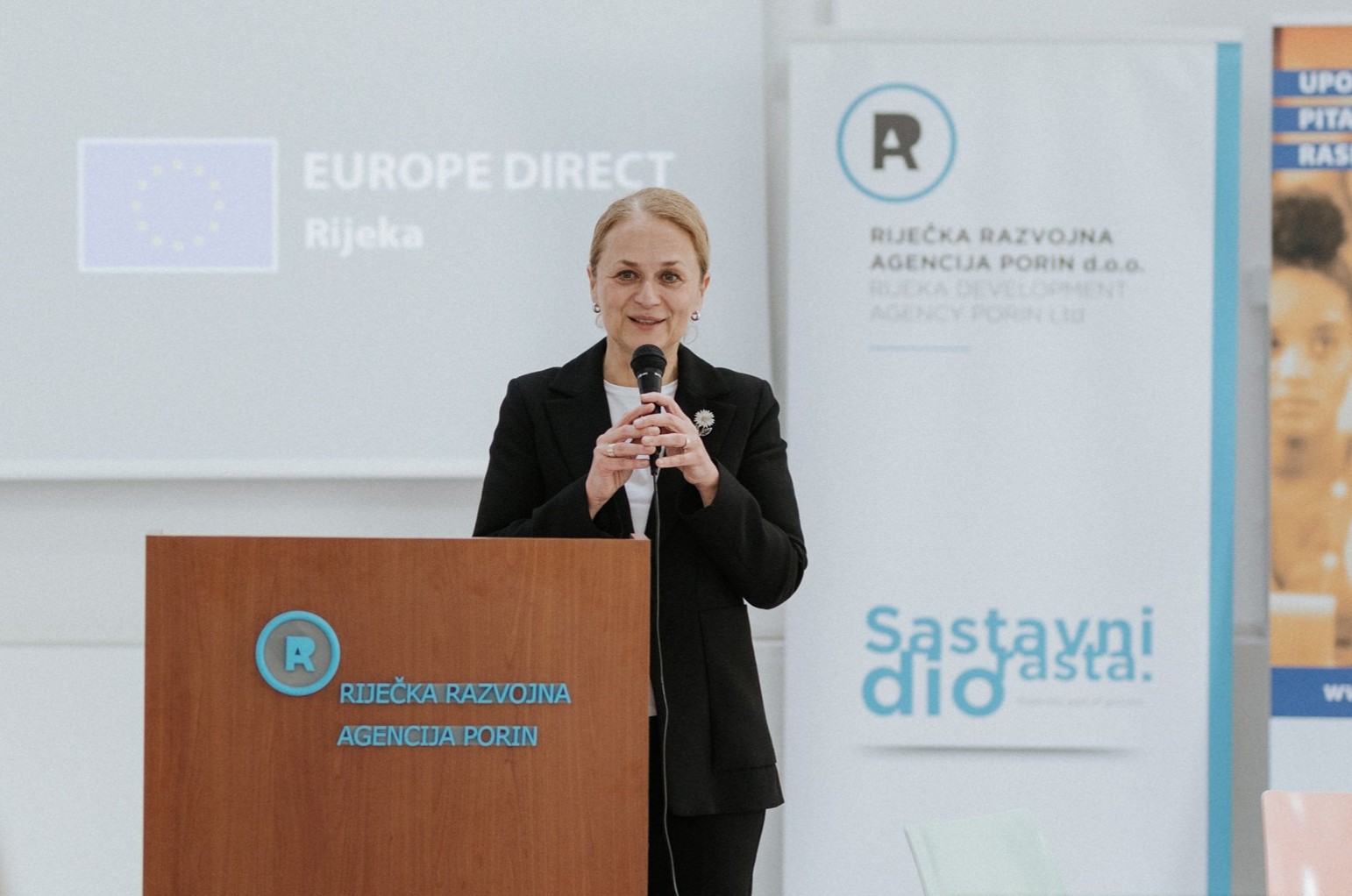
On behalf of the European Commission, the participants were contacted Zrinka Ujević, Head European Commission Representations in Croatia, stressing that Europe is undergoing significant technological and economic transformation. According to the European Commission's analysis, the European Union faces a competitiveness challenge vis-à-vis global markets, making it one of the Union's key priorities to strengthen the competitiveness of the European economy while preserving fundamental values, including the protection of citizens and their rights in the digital environment.
This event takes place at a time when the European Union is working intensively to adapt the regulatory framework, while encouraging the development of new technologies and preserving a high level of protection of citizens and their rights. The EU is undergoing a significant transformation, and fostering innovation is a key priority.
Introduction to the topic was given by a lawyer Filip Ožić, Presenting the context of European digital regulations, including the GDPR, AI regulation and cybersecurity rules. He referred in particular to possible changes in the definition of personal data and the issue of pseudonymisation, as well as to the need for a clearer and simpler regulatory framework that would be more understandable for both businesses and citizens.
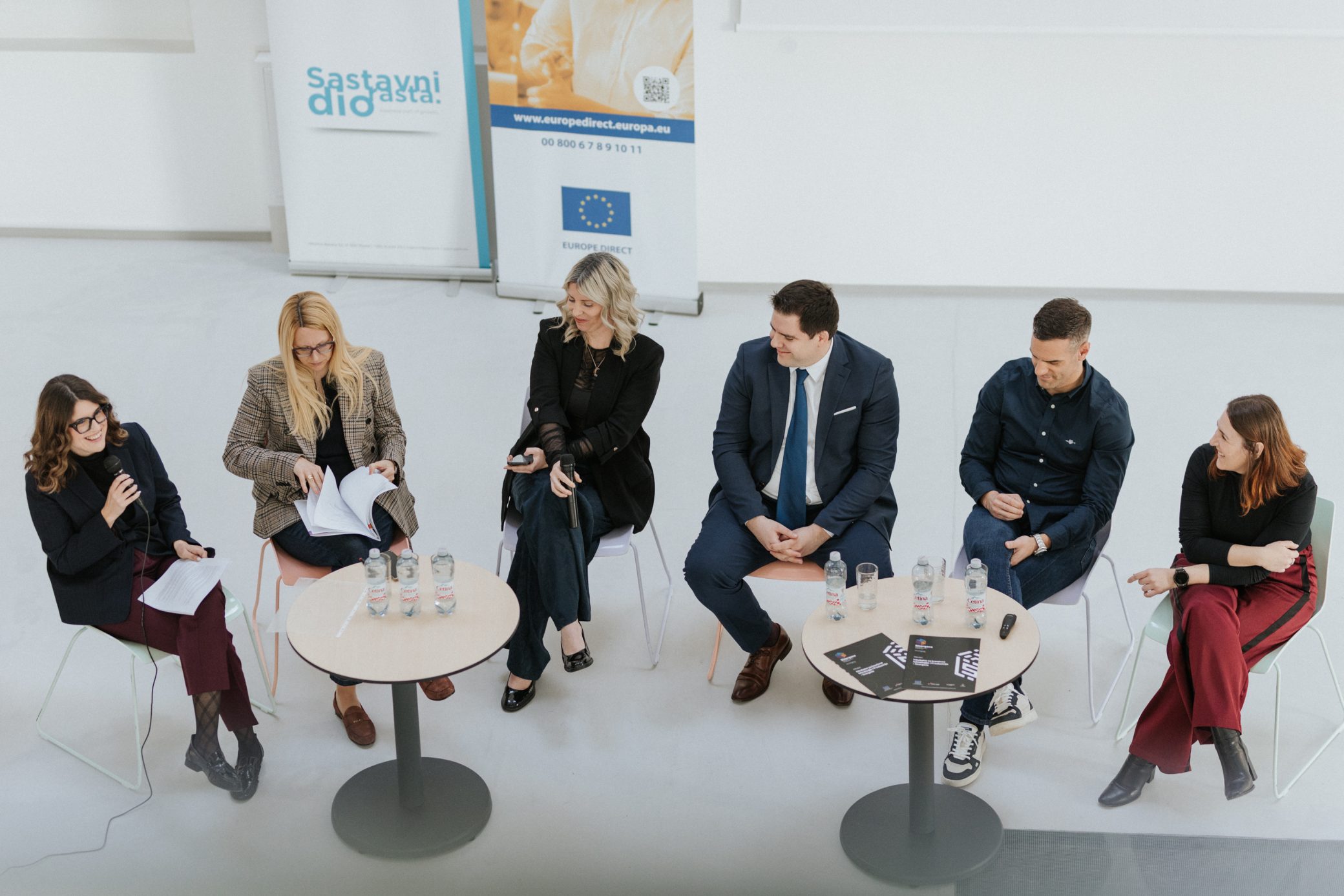
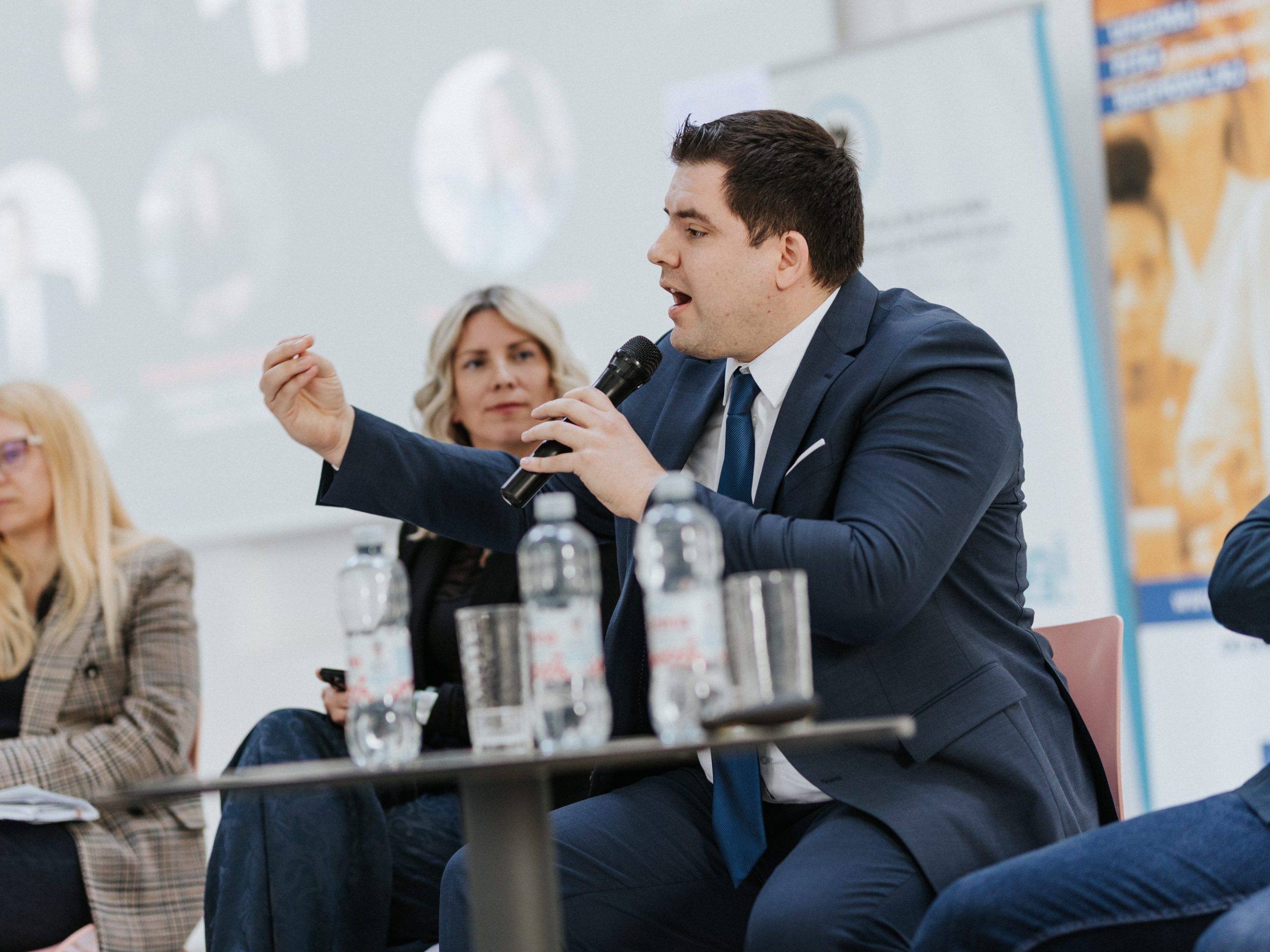
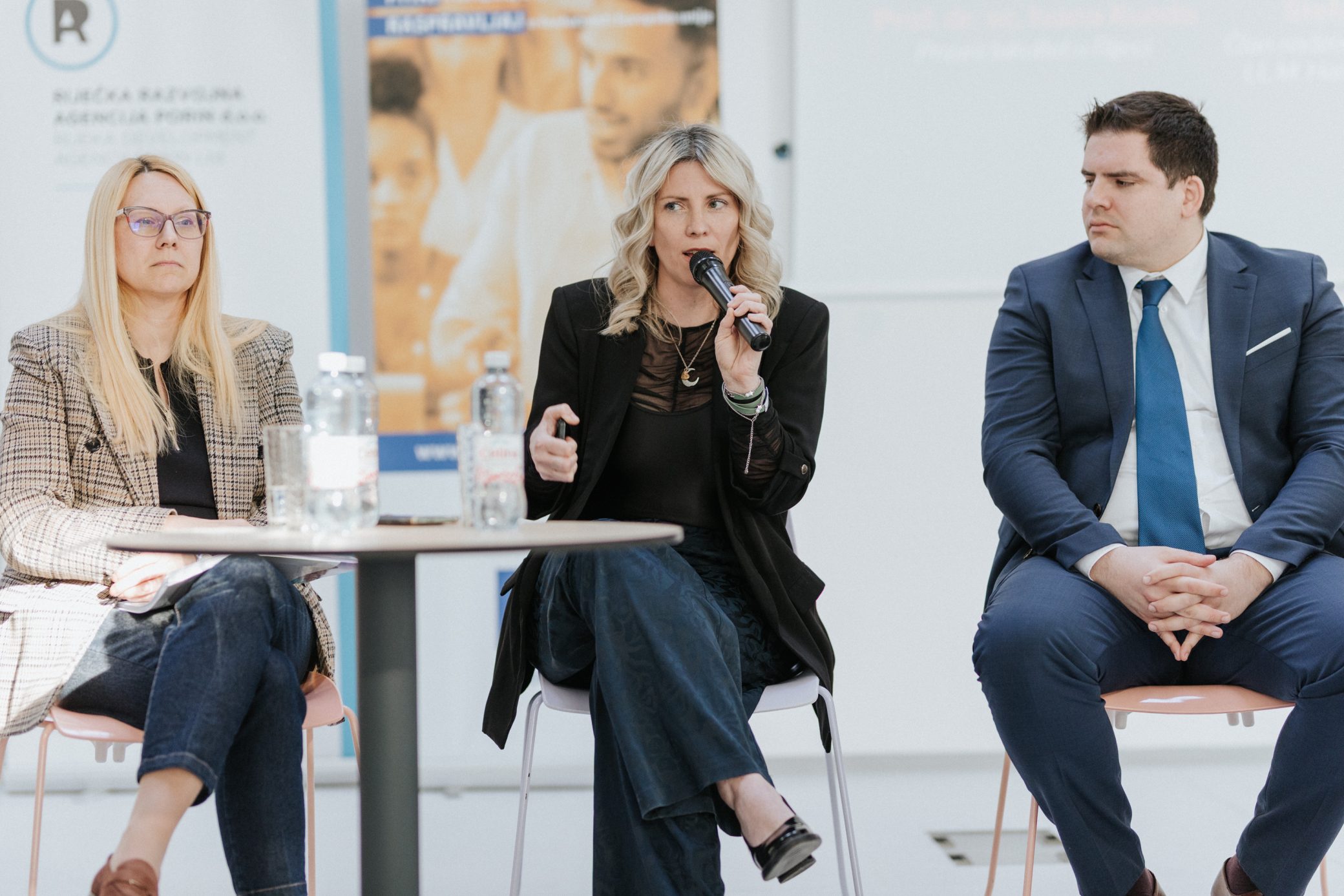
The central part of the event was a panel discussion called "A new EU roadmap for the tech sector: smart reform or risky deregulation?’, moderated by a lawyer Vanda Štimac Uravić. Participated in the discussion Alex Buvač (Own.Solutions), Andrea Čović Vidović (Representation of the European Commission in Croatia), Stefan Martinić (CroAI), prof. dr. sc. Ivana Kunda (Faculty of Law, University of Rijeka) and Emira Brkić Karninčić (Rijeka Development Agency Porin).
Panellists discussed the possible impacts of the Digital Omnibus on the technology sector, including: simplifying the legislative framework and reducing the administrative burden for businesses. It was pointed out that the European Commission through the so-called Omnibus packages seeks to simplify existing legislation and increase its effectiveness, with estimates that such measures could bring significant savings to the economy.
The discussion also highlighted how regulation for tech companies does not necessarily represent an obstacle to development, but can open up space for new business models and innovative solutions. At the same time, participants pointed to the need for a clearer and more understandable legislative framework, as entrepreneurs and citizens often struggle to navigate increasingly complex rules.
Highlighted in particular the importance of education and strengthening digital and regulatory literacy to make it easier to understand European digital rules, but also to make them more effective in practice. In this context, the role of institutions active on the ground, such as Europe Direct Centres and entrepreneurial support institutions, in informing and connecting entrepreneurs with relevant European initiatives was also highlighted.
It was concluded that Europe is at a turning point in the development of the digital economy and that open dialogue between institutions, industry and academia is key to finding a balance between technology development, the competitiveness of the European economy and the protection of citizens in the digital environment.
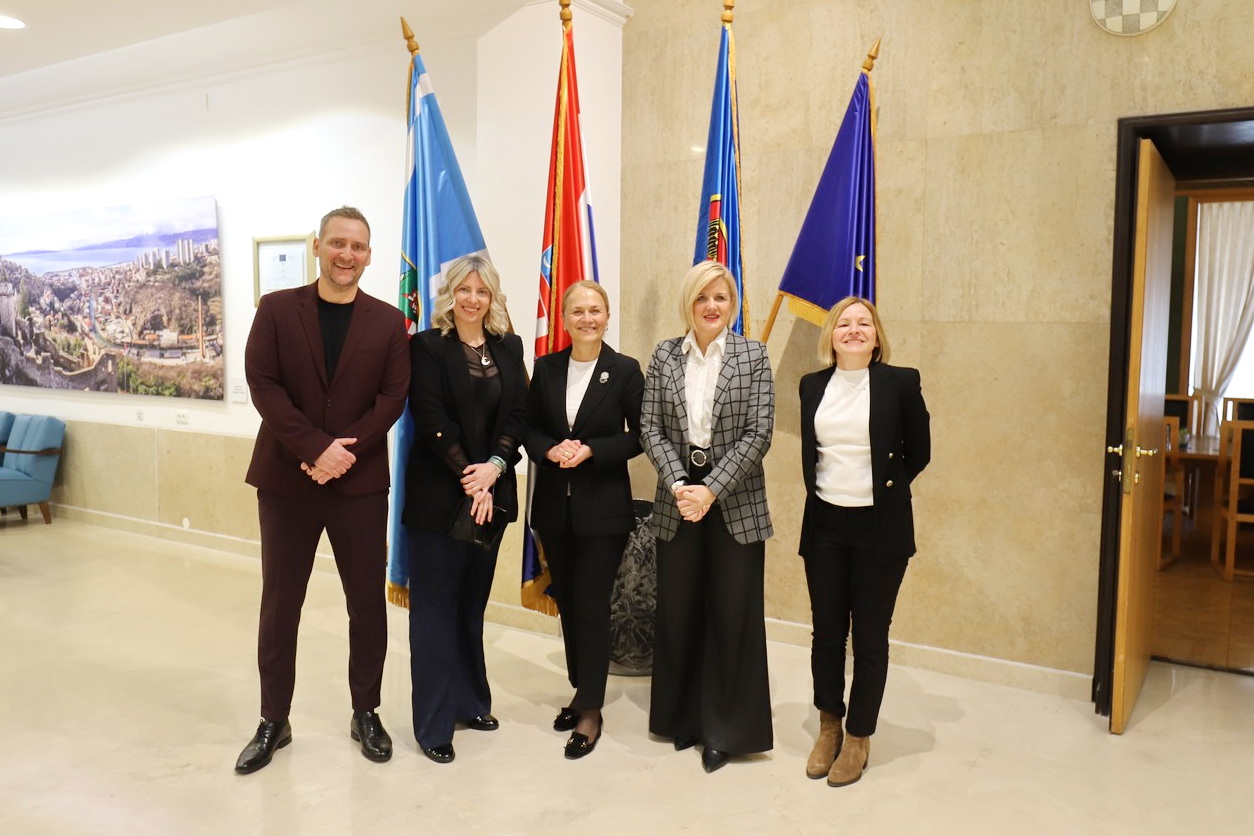
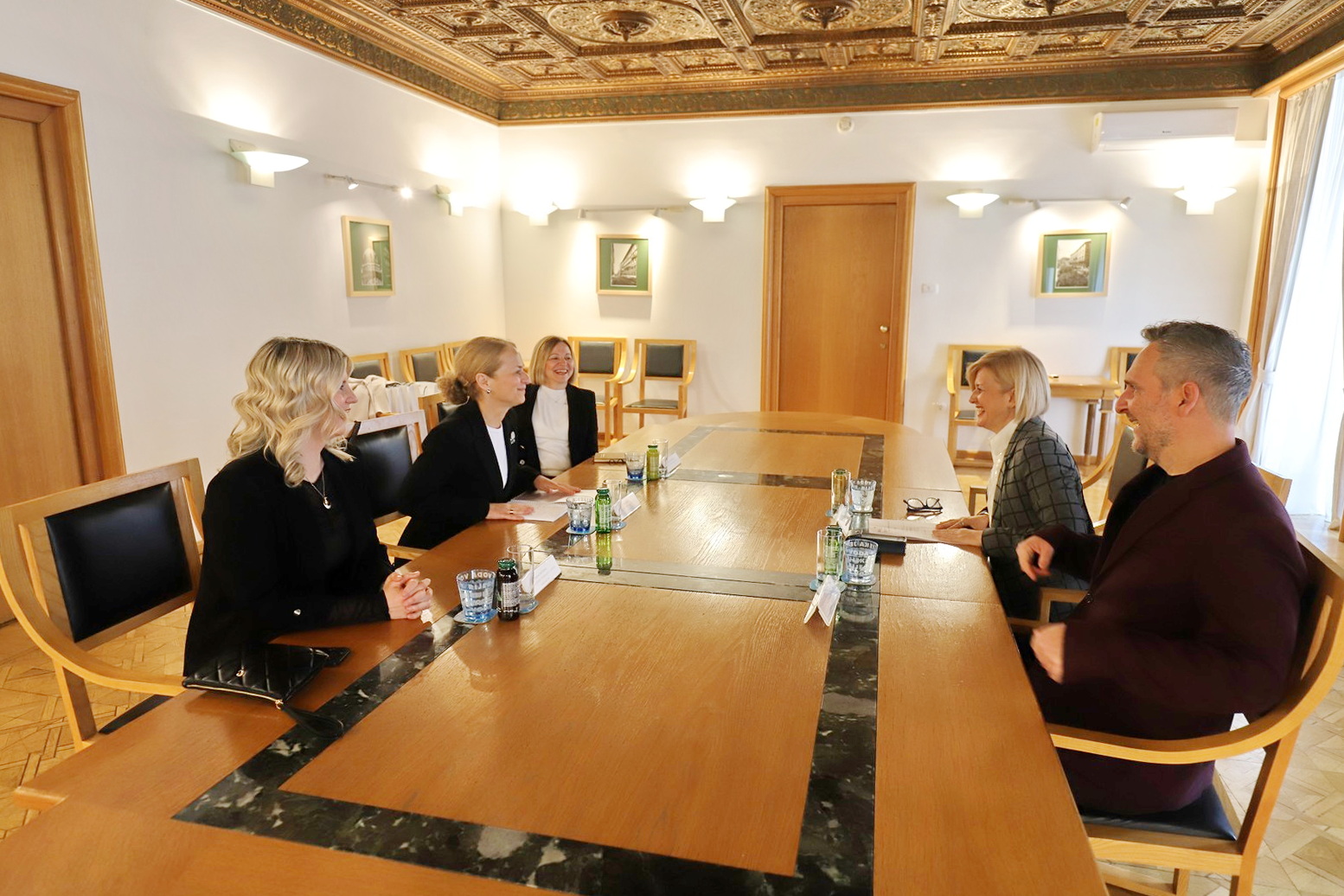
Representatives of the European Commission during their stay in Rijeka the City of Rijeka, where they met with Mayor Iva Rinčić and Director Nenad Antolović in the City Salon. In addition to the Head of the European Commission Representation in Croatia, Zrinka Ujević, the meeting was attended by Andrea Čović Vidović, Deputy Head of the Representation and Head of the Media Team, and Dijana Kuzman Štaudinger, Coordinator for Partnerships and Networks. The topical policies and priorities of the European Union were discussed, as well as the activities that will be implemented in Rijeka through EUROPE DIRECT Rijeka.
The visit was also an opportunity to further strengthen cooperation between the local community and the European institutions, especially in the context of the new mandate of EUROPE DIRECT Rijeka, which will continue to provide citizens with information on the policies and programmes of the European Union and organise events dedicated to the future of Europe.


![[RADIONICA] Cybersecurity: What does every entrepreneur need to know?](https://porin.hr/wp-content/uploads/2026/04/Cybersecurity.jpg)
![[EDUCATION] Development of innovation and EU funding opportunities](https://porin.hr/wp-content/uploads/2026/03/Razvoj-inovacija-i-prilike-za-financiranje.png)