In the space Sinergane, a new business incubator in Rijeka dedicated to creative technologies and IT industry, was held at the CroAI Legal Club – an expert panel discussion dedicated to one of the most pressing issues of European digital policy: the future of the regulatory framework for the technology sector and the possible changes brought about by the European Commission's proposal, the so-called Digital Omnibus.
We organized the event with Europe Direct Centre Rijeka i CroAI (Croatian AI Association) to open an expert debate on the impact of European digital regulation on the development of the technology sector, entrepreneurship and innovation.
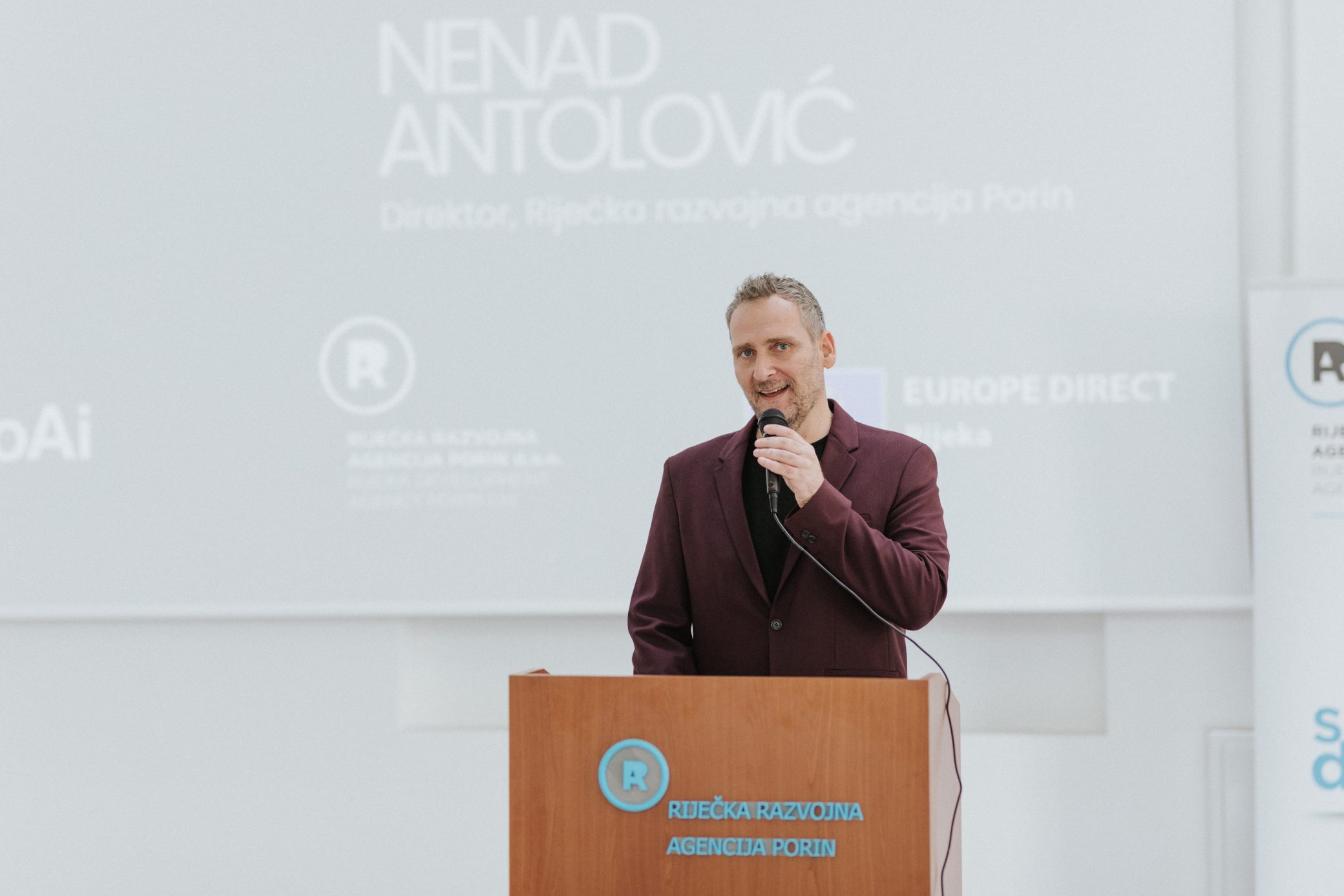
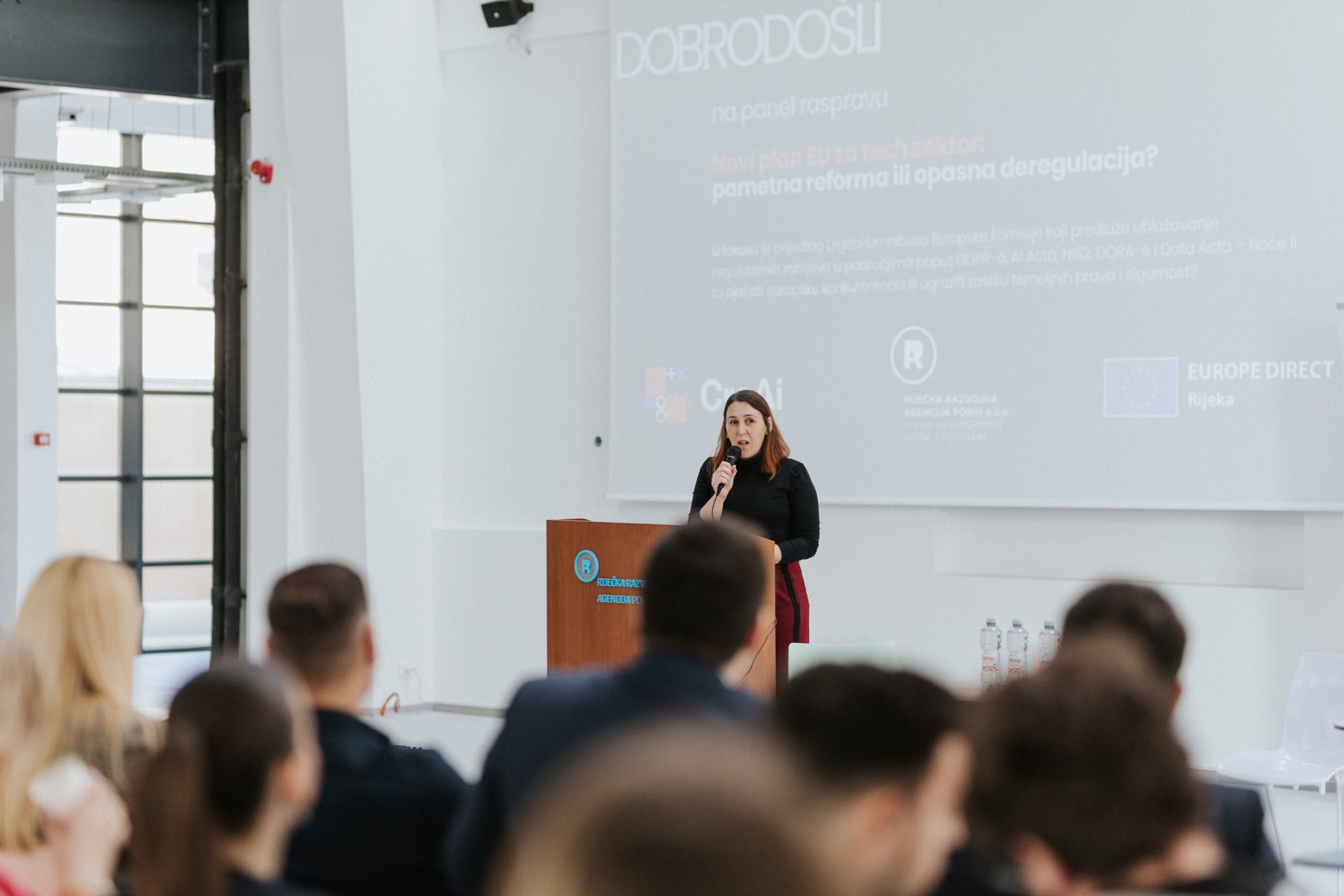
On behalf of the organizers, he welcomed Emira Brkić Karninčić, Head of business incubators at the Rijeka Development Agency Porin, stressing the importance of the space of Sinergana as a meeting place for innovation, entrepreneurship and technological development. The participants were then addressed by the director of the Rijeka Development Agency Porin Nenad Antolović, Welcoming representatives of the European Commission, experts from industry, academia and the public sector gathered to discuss one of the key issues of European digital policy.

Introductory speech started Tomislav Nikočević, Member of the Management Board of CroAI, who spoke about the role of the association in the development of the Croatian AI ecosystem and the need to find a balance between protecting users and encouraging innovation.
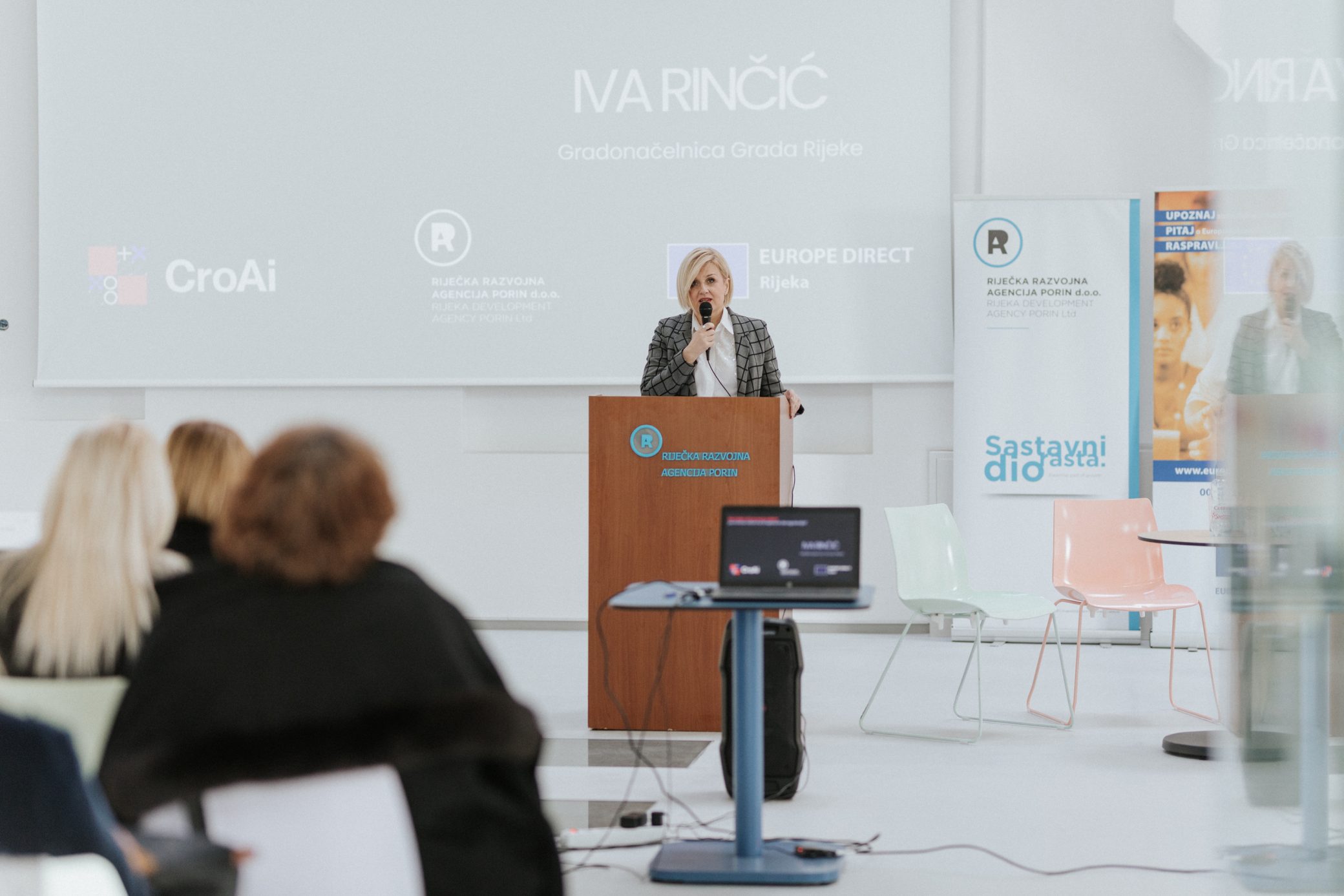
Mayor of Rijeka Iva Rinčić emphasized the symbolism of the event in the space of Sinergana, recalling that it was a space of former industrial production in which innovations changed the world, expressing the expectation that new content in this space will continue Rijeka's industrial tradition of innovation.
For the first time in the history of the European Union, AI has been given a comprehensive regulatory framework. The question now arises – should and how this framework be adapted to keep Europe competitive in the global race without compromising the standards of privacy, security and human rights protection that we have built for years?’
On behalf of the European Commission, the participants were contacted Zrinka Ujević, Head European Commission Representations in Croatia, stressing that Europe is undergoing significant technological and economic transformation. According to the European Commission's analysis, the European Union faces a competitiveness challenge vis-à-vis global markets, making it one of the Union's key priorities to strengthen the competitiveness of the European economy while preserving fundamental values, including the protection of citizens and their rights in the digital environment.
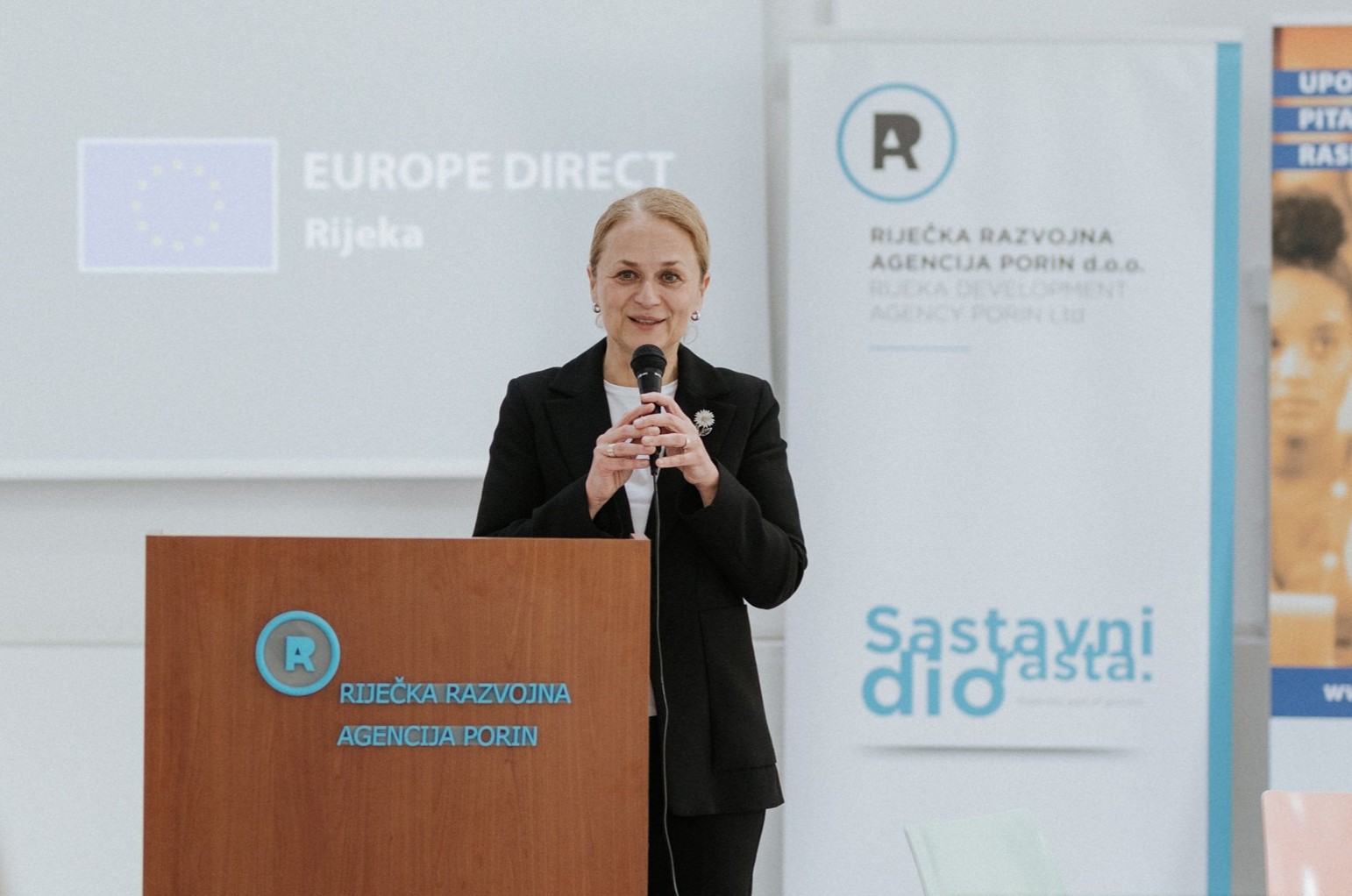
This event takes place at a time when the European Union is working intensively to adapt the regulatory framework, while encouraging the development of new technologies and preserving a high level of protection of citizens and their rights. The EU is undergoing a significant transformation, and fostering innovation is a key priority.
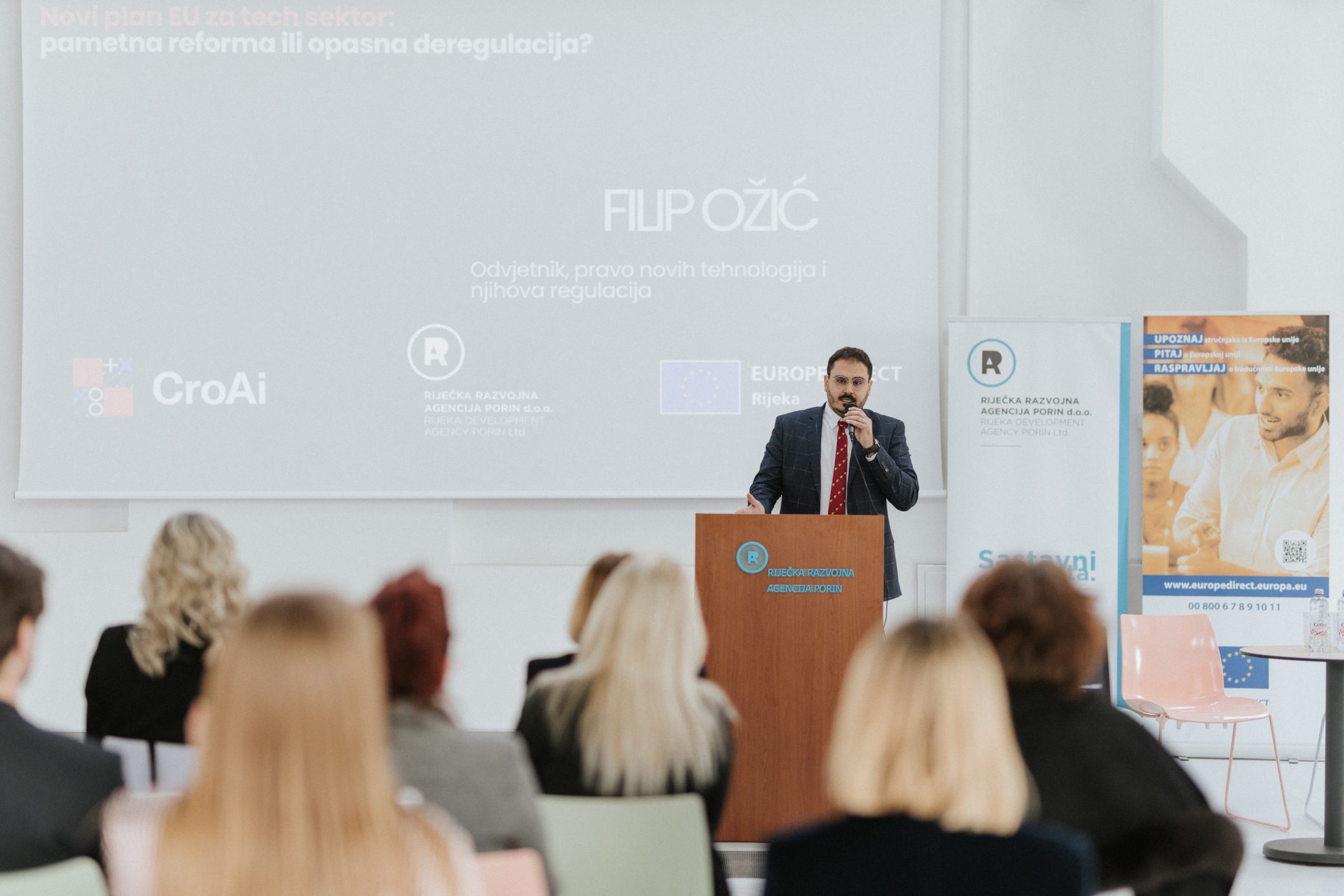
Introduction to the topic was given by a lawyer Filip Ožić, Presenting the context of European digital regulations, including the GDPR, AI regulation and cybersecurity rules. He referred in particular to possible changes in the definition of personal data and the issue of pseudonymisation, as well as to the need for a clearer and simpler regulatory framework that would be more understandable for both businesses and citizens.
The central part of the event was a panel discussion called "A new EU roadmap for the tech sector: smart reform or risky deregulation?’, moderated by a lawyer Vanda Štimac Uravić. Participated in the discussion Alex Buvač (Own.Solutions), Andrea Čović Vidović (Representation of the European Commission in Croatia), Stefan Martinić (CroAI), prof. dr. sc. Ivana Kunda (Faculty of Law, University of Rijeka) and Emira Brkić Karninčić (Rijeka Development Agency Porin).
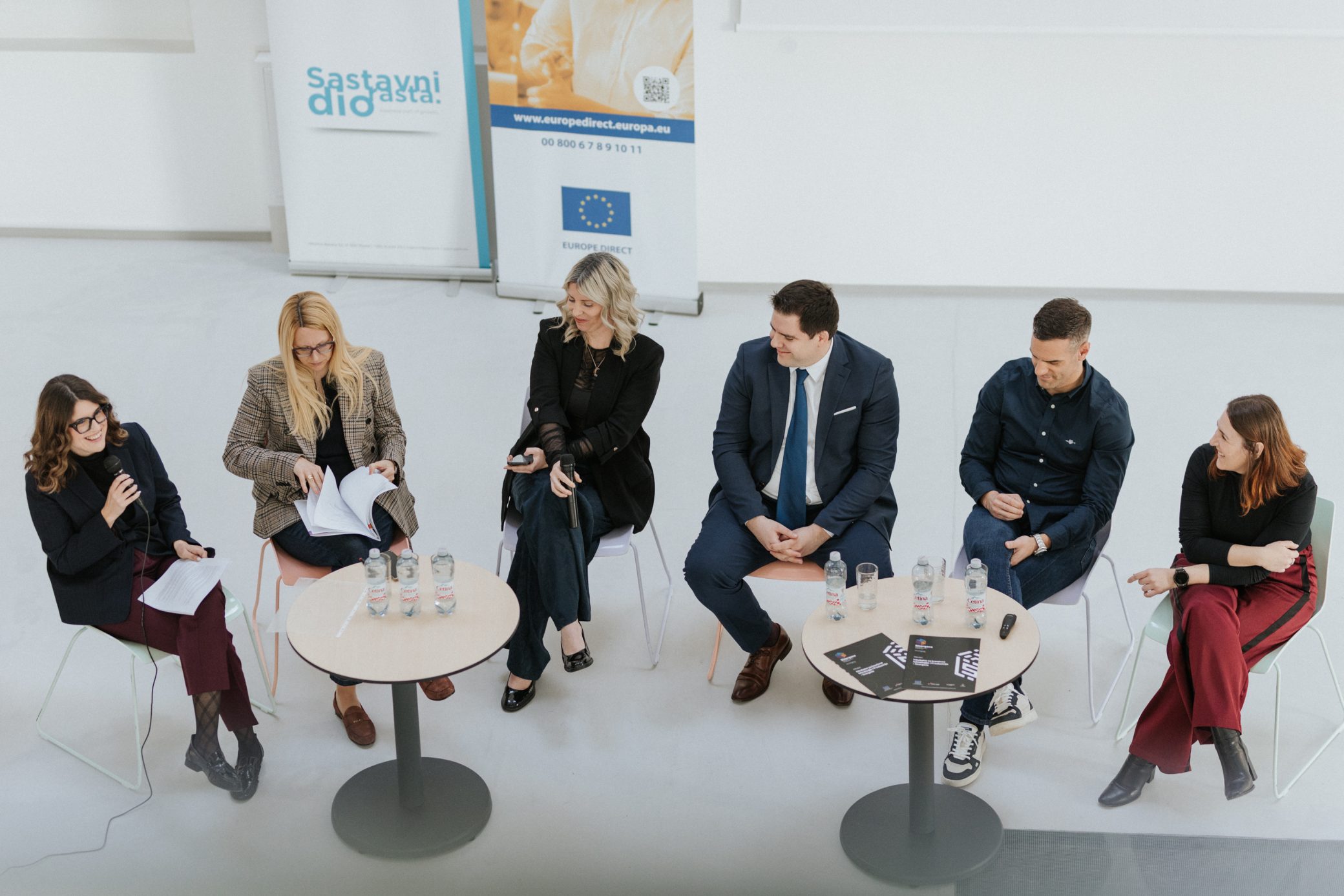
Panellists discussed the possible impacts of the Digital Omnibus on the technology sector, including: simplifying the legislative framework and reducing the administrative burden for businesses. It was pointed out that the European Commission through the so-called Omnibus packages seeks to simplify existing legislation and increase its effectiveness, with estimates that such measures could bring significant savings to the economy.
The discussion also highlighted how regulation for tech companies does not necessarily represent an obstacle to development, but can open up space for new business models and innovative solutions. At the same time, participants pointed to the need for a clearer and more understandable legislative framework, as entrepreneurs and citizens often struggle to navigate increasingly complex rules.
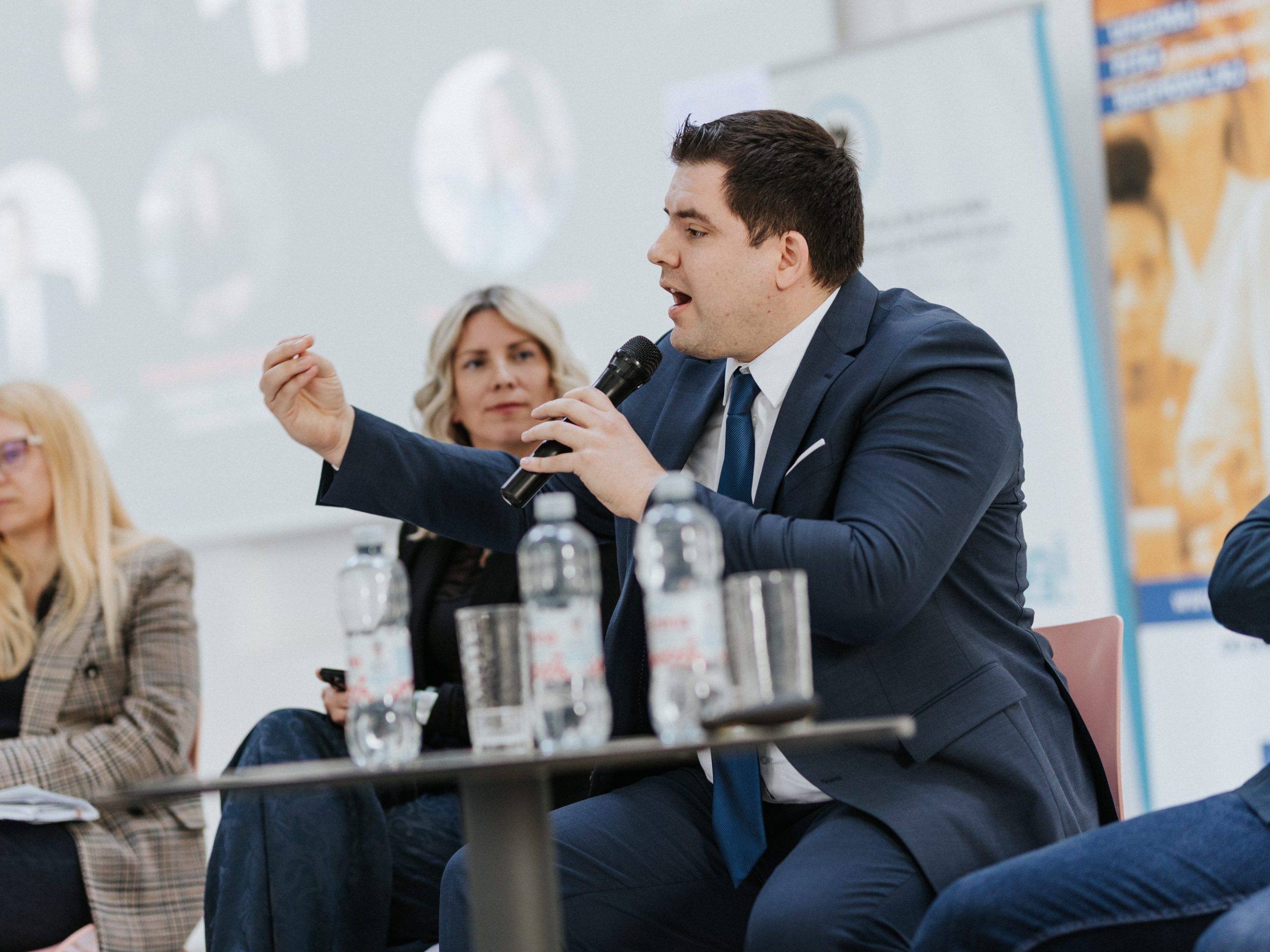
Highlighted in particular the importance of education and strengthening digital and regulatory literacy to make it easier to understand European digital rules, but also to make them more effective in practice. In this context, the role of institutions active on the ground, such as Europe Direct Centres and entrepreneurial support institutions, in informing and connecting entrepreneurs with relevant European initiatives was also highlighted.


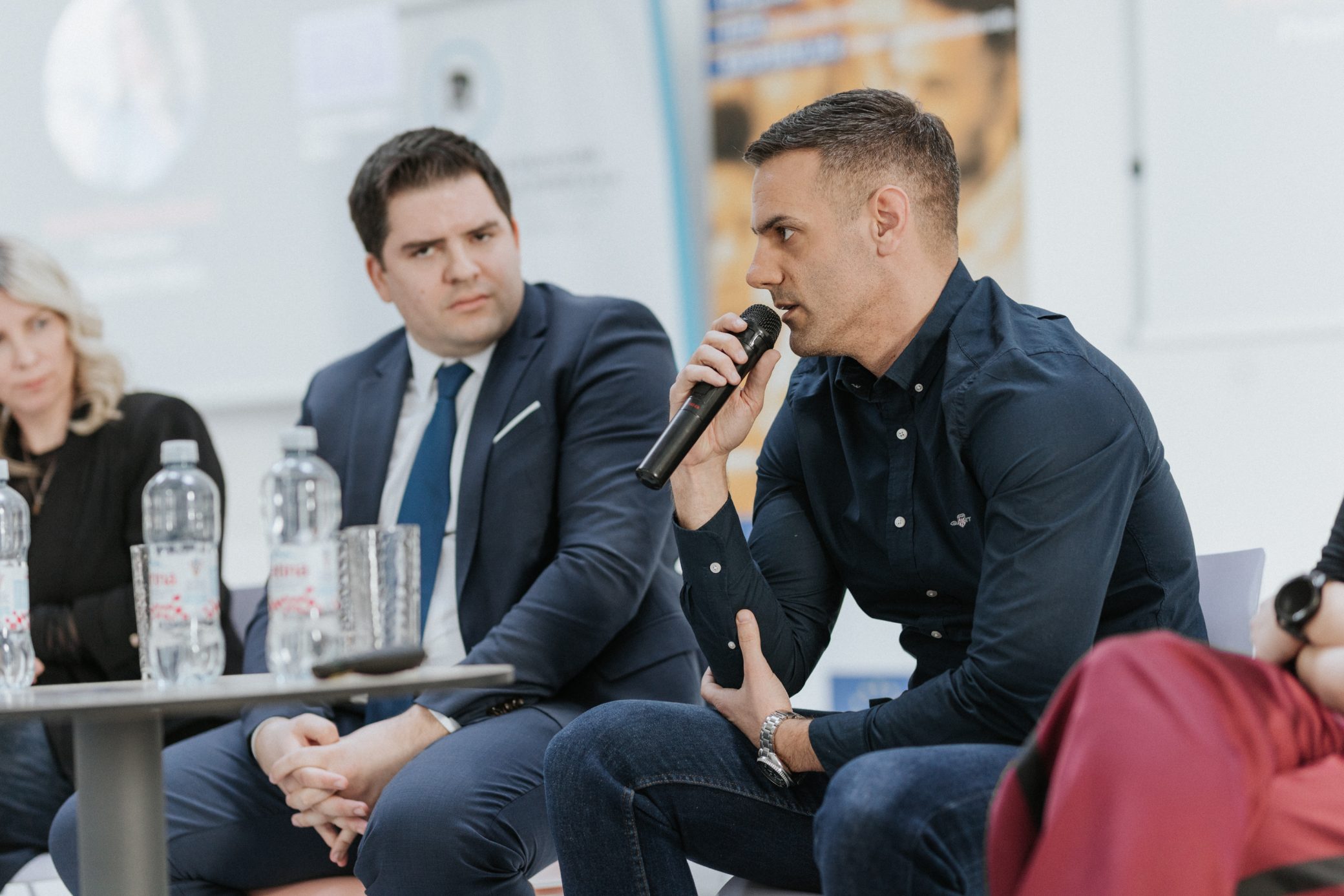
It was concluded that Europe is at a turning point in the development of the digital economy and that open dialogue between institutions, industry and academia is key to finding a balance between technology development, the competitiveness of the European economy and the protection of citizens in the digital environment.


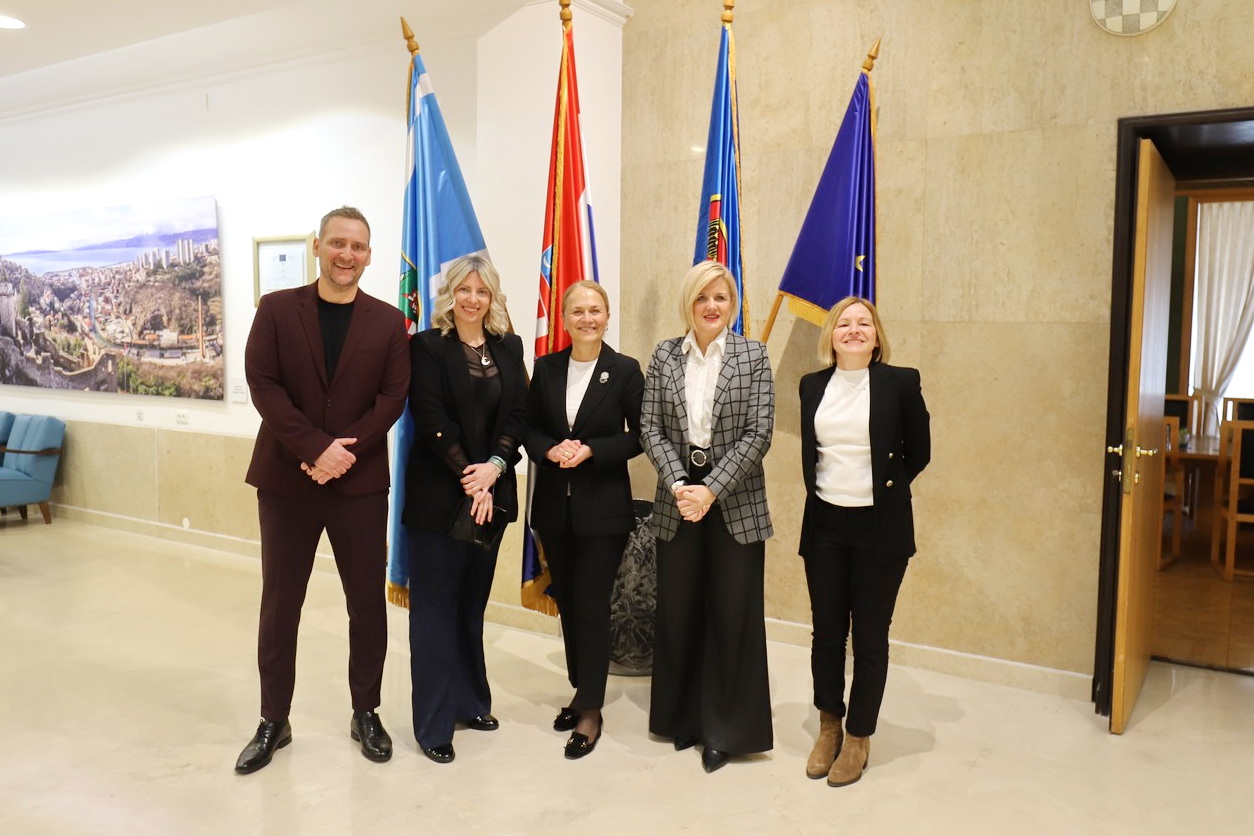
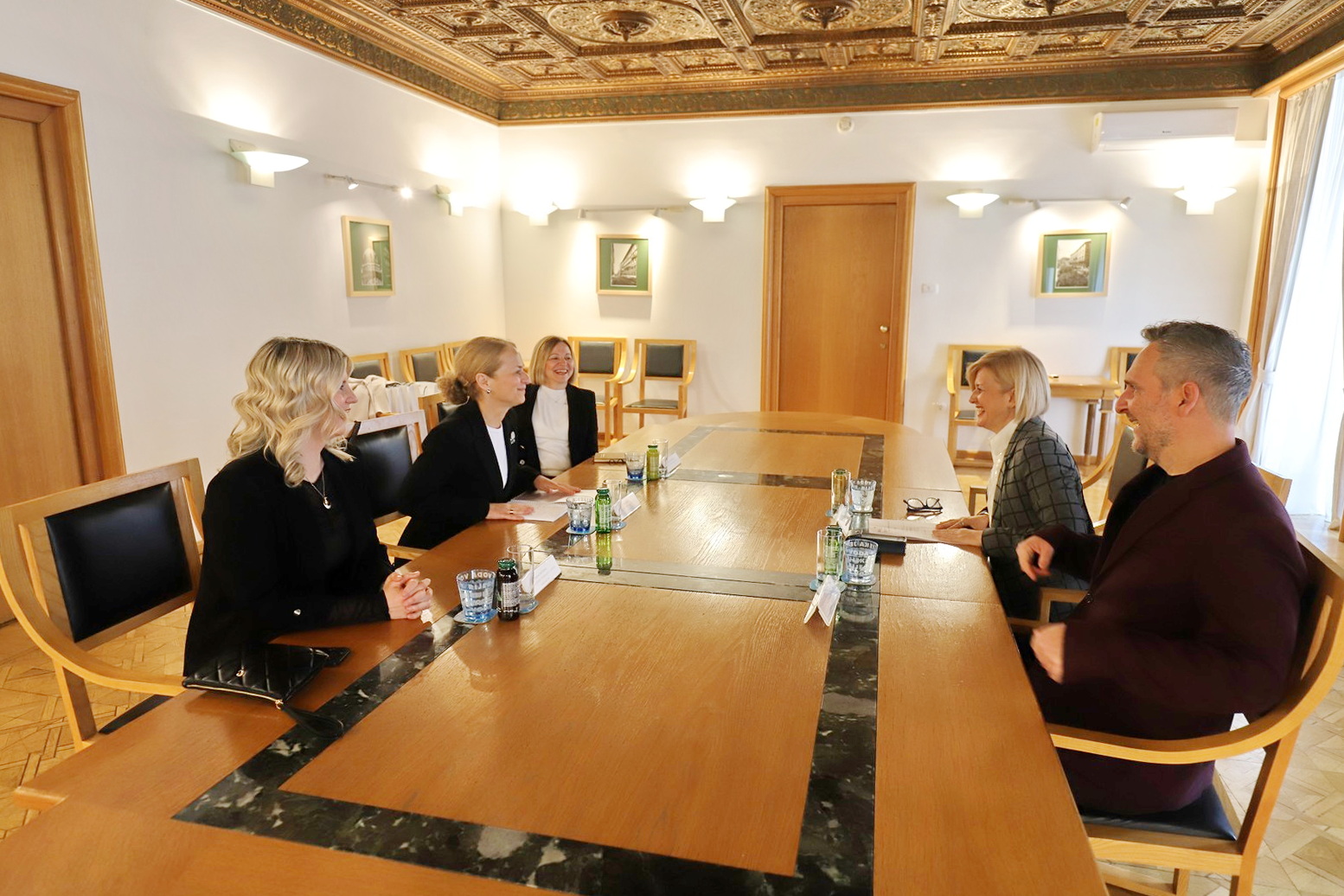
Representatives of the European Commission during their stay in Rijeka the City of Rijeka, where they met with Mayor Iva Rinčić and Director Nenad Antolović in the City Salon. In addition to the Head of the European Commission Representation in Croatia, Zrinka Ujević, the meeting was attended by Andrea Čović Vidović, Deputy Head of the Representation and Head of the Media Team, and Dijana Kuzman Štaudinger, Coordinator for Partnerships and Networks. The topical policies and priorities of the European Union were discussed, as well as the activities that will be implemented in Rijeka through EUROPE DIRECT Rijeka.
The visit was also an opportunity to further strengthen cooperation between the local community and the European institutions, especially in the context of the new mandate of EUROPE DIRECT Rijeka, which will continue to provide citizens with information on the policies and programmes of the European Union and organise events dedicated to the future of Europe.