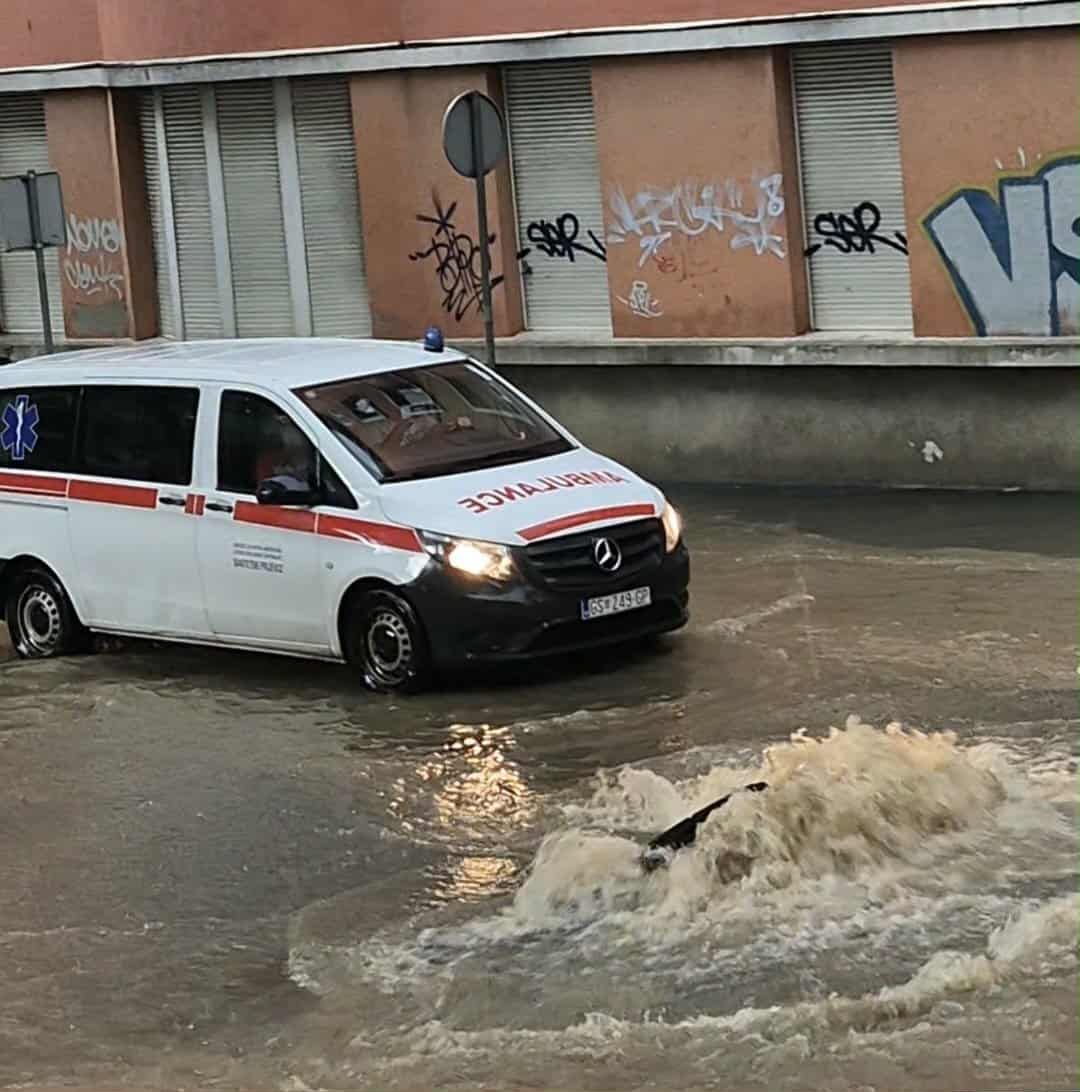
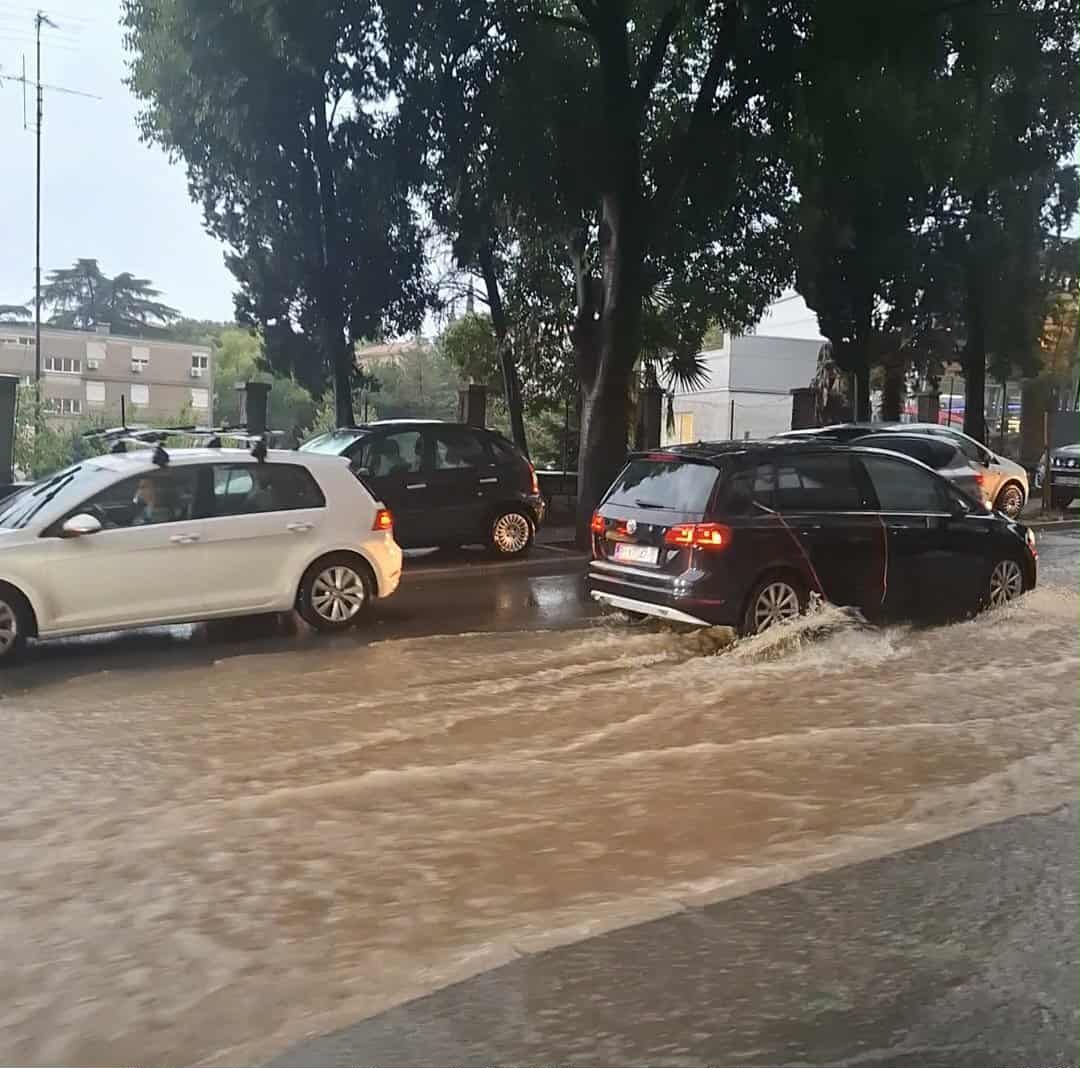
On September 10, 2025, our city faced one of the most intense rains in recent times.
In just a few hours, heavy rains overburdened drainage systems and caused flooding across the city. The streets turned into rivers, cars remained underwater, and traffic on key roads was closed. Firefighters had more than 100 interventions, while utilities worked all night to remove landslides, pump water and provide vital infrastructure.
Consequences outweighed traffic difficulties. Landslides and soil erosion in multiple locations have raised issues of building safety and urban resilience. The floodwaters and drift have created dangers for residents, damaged property and highlighted the growing vulnerability of cities to extreme precipitation linked to climate change.
URBANFLOODS project – Resilience as a necessity, not a choice
These events strongly recall the importance of the URBANFLOODS project. The project is implemented under the Interreg IPA ADRION programme and brings together partners from eight countries with the aim of developing innovative risk management scenarios, prevention measures and nature-based solutions for flood-prone cities;.
Rijeka is one of nine pilot areas where advanced hydrological models are used to simulate extreme precipitation and flood scenarios. Special emphasis is placed on the Rječina River Basin, which flows into the very centre of the city. By combining scientific modelling, GIS tools and local knowledge, the project will provide decision-makers with reliable data on where floods are most likely, which infrastructure is at risk and which preventive measures can be most effective.
The results of the modeling will serve the development the Early Warning System i Urban Planning Strategy, helping the River to anticipate such events, and not only to react to them. The project also highlights transnational cooperation, Climate impacts know no administrative boundaries. Lessons learned from Rijeka will contribute to the regional set of flood resilience measures, which will be shared across the Adriatic-Ionian region.
Recent floods highlight the urgent need for a systemic approach to disaster risk reduction. Investing in resilient infrastructure, green stormwater solutions and community preparation is no longer an option but a necessity to protect the life, economy and cultural heritage of European cities.
URBANFLOODS will continue to work with the City of Rijeka, local experts and citizens to turn the recent crisis into tomorrow's resilience.
More about the project: https://urbanfloods.interreg-ipa-adrion.eu/