As climate change intensifyes, so do the challenges faced by communities across Croatia. One of the most immediate threats is the increasing frequency and severity of flash and storm floods that can disrupt everyday life, damage homes and overburden local infrastructure. But efforts are being made across the country, especially in vulnerable areas, to reduce these risks and protect people, property and the environment.
Why Flooding is Important
Unlike large river floods, torrential and storm floods often occur without warning. They are caused by intense rainfall in a short period of time, and most often affect small rivers, streams and urban storm drainage systems. In mountainous and mountainous areas such as Gorski Kotar, Lika and parts of the Dalmatian hinterland, rainwater can quickly flow down the slopes into narrow valleys, flooding streams and canals. Urban areas such as Rijeka or Split are also at risk, especially when outdated drainage systems cannot withstand sudden showers.
Climate change in Croatia: key risk factor
Croatia is already experiencing longer periods of drought and more intense storms. The Intergovernmental Panel on Climate Change (IPCC) and national climate projections confirm that southern and coastal parts of Croatia are particularly vulnerable to extreme weather events, including localised flooding. The new climate reality puts a heavy burden on our water management systems and increases the urgency of strengthening disaster risk reduction (DRR) strategies at all levels – from state to local communities.
What is being done?
Croatia does not stand with its hands crossed. Numerous national and regional programmes help reduce the risk of flash floods and storm floods:
- Improving the monitoring and early warning system
Hrvatske vode, the national water management body, manages an increasing network of hydrological and meteorological sensors that monitor water levels in real time. - Green infrastructure and nature-based solutions
In line with EU policies, Croatia invests in sustainable flood protection that cooperates with nature. Restoring wetlands, preserving natural floodplains and planting vegetation along watercourses slow down runoff and reduce negative effects downstream. These nature-based approaches are often more cost-effective – and beneficial for biodiversity – than conventional concrete solutions. - Raising awareness and community readiness
Public campaigns and school programmes help citizens understand what to do in case of sudden flooding. Local authorities, civil protection and volunteer fire brigades regularly conduct exercises and training in flood-prone areas. - Transnational cooperation
Croatia is an active partner in European projects aimed at strengthening flood resilience across borders. For example, initiatives under the Interreg IPA ADRION programme and the Danube Transnational Programme help to develop common tools, training and coordinated flood response plans in the Adriatic-Ionian and Danube regions.
Local stories, real impact
In Rijeka, where Rječina can move from peaceful to terrifying in an instant, the pilot project helps the city anticipate flash floods through real-time data, digital flood risk scenarios and connection to a transnational decision support system (DSS). This is a crucial step towards a more resilient and better prepared urban space in addressing climate risks.
View in advance
Fighting flash floods and storm floods is not just a technical issue – it is a question of community resilience. By combining smart planning, modern technologies and local knowledge, Croatia is building a more prepared and sustainable future. But everyone has a role to play. Whether you are an entrepreneur, farmer, engineer, student or parent – understanding risks and being informed in a timely manner are the first steps in protecting our families and neighbourhoods.
Want to know more?
See your municipality's or city's website for information on flood zones and emergency procedures. Also, you can follow news from Hrvatske vode, the Directorate of Civil Protection and EU projects such as URBANFLOODS, for the latest information and innovations in flood risk management.
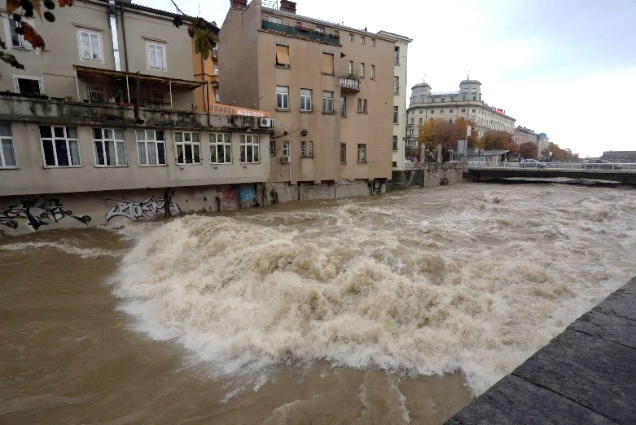
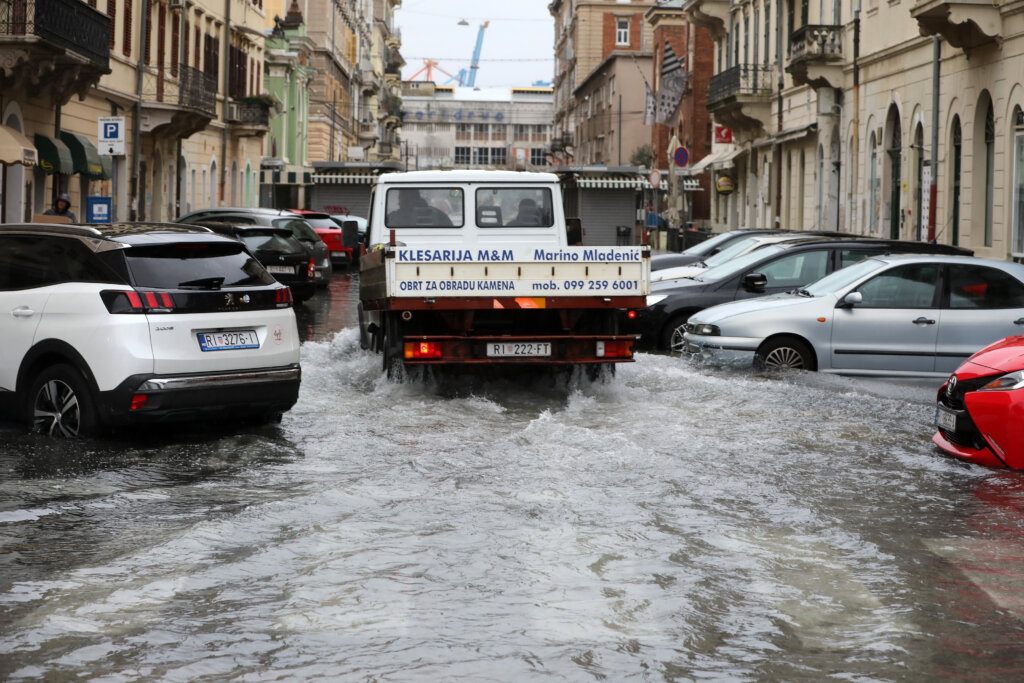
Dana 28 September 2022, Rijeka was hit by a devastating torrential flood caused by heavy rain. Unfortunately, in this flood life was lost by one person who was taken down the street by a powerful torrent.
“When it rains, it really rains – but it doesn’t have to end up in the flood if we're ready.”