When you combine 30 years of professional experience, a desire for innovation and a clear vision in a story, you will get a company like Vulpes.
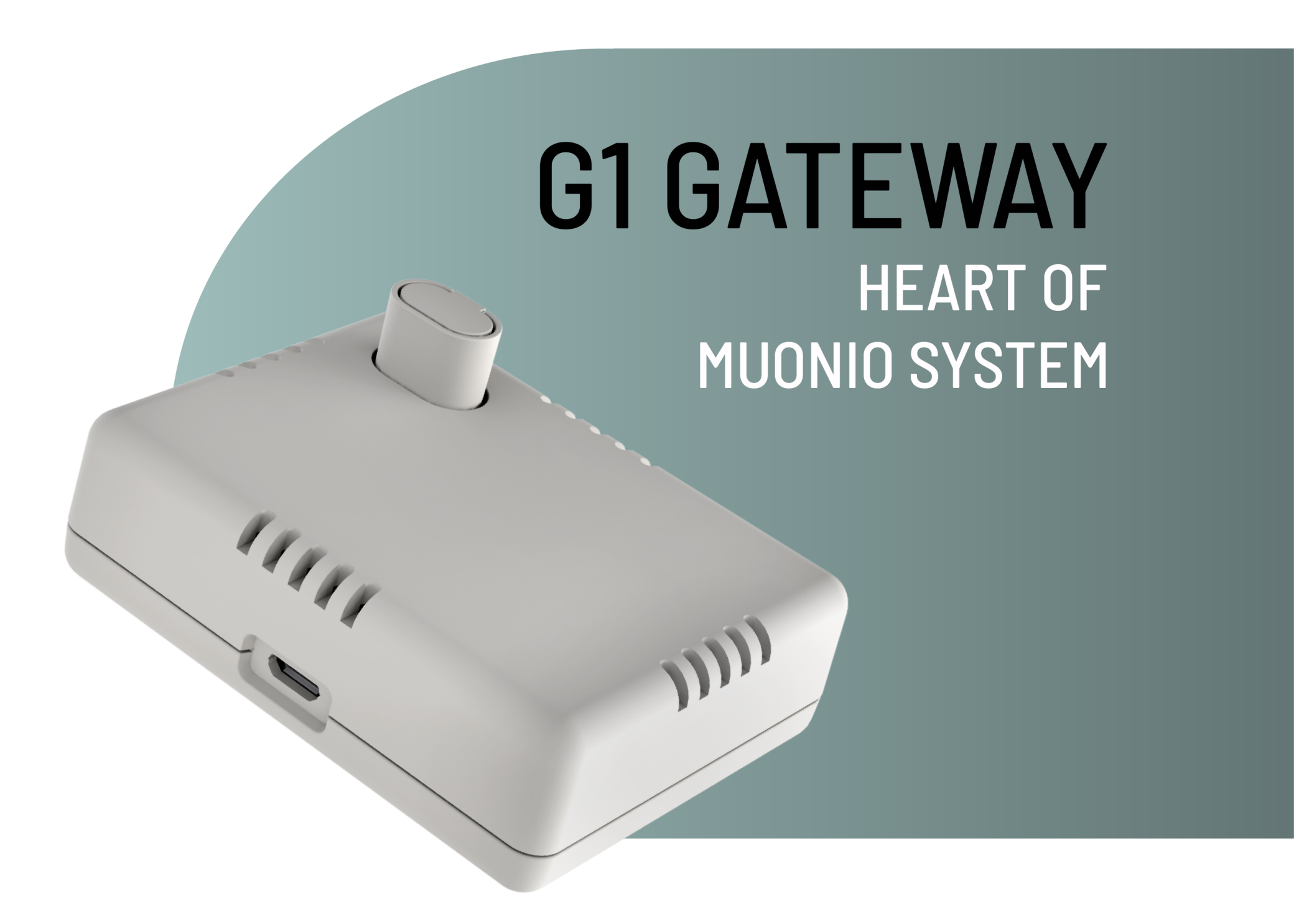
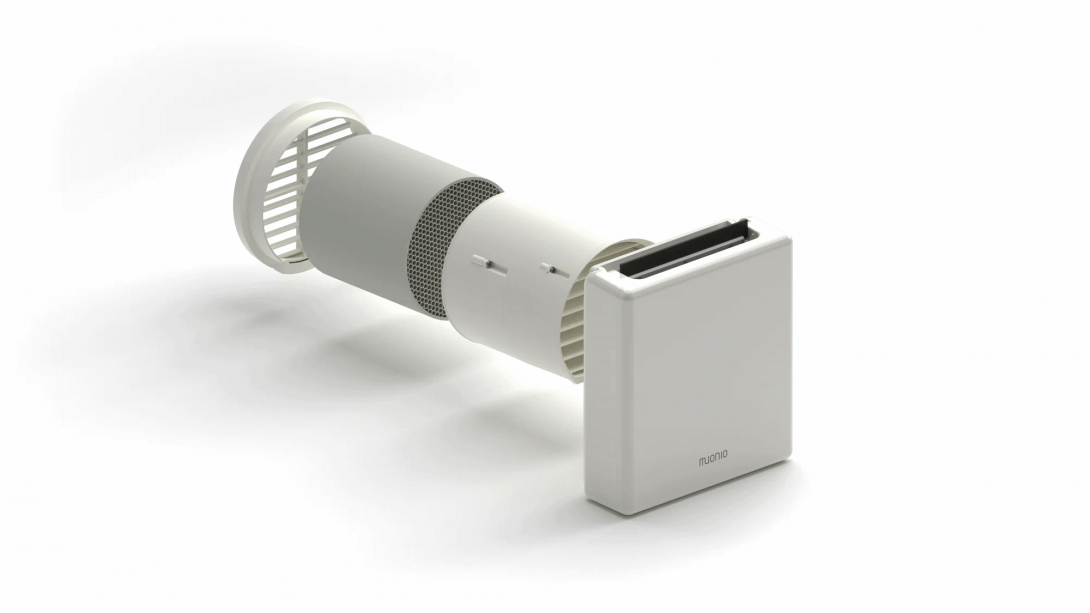
The team behind this company has been working in the HVAC industry for years, but at one point they decided to develop their own solution: Intelligent ecosystem for air quality control, heating and cooling, heat recovery ventilation (HRV) and powerful UV-C air purification adapted to the modern needs of housing and work.
We wanted to create a platform that would bring together all key functions – air quality control, temperature regulation and hot water consumption, and make spaces safer and healthier for users.
Vulpes also produces manifolds for water heating systems and production-based heating control systems. Their system enables the monitoring and control of temperature, hot water and air quality levels in an unlimited number of zones within the building via smart applications.
From Idea to EU Certificate
Their motivation was to create a smart platform that combines air quality, temperature and hot water control, making buildings safer and healthier for tenants.
The first step was challenging: development of systems and devices that will meet high EU standards of quality and energy efficiency. In parallel with the development of software and hardware components, they worked on testing, research and certification, and this required significant investments. Also, the introduction of new technologies to the market always brings challenges in the education of users and the acceptance of new solutions.
Development never stops. Today we are already in the phase of certifying additional products and expanding our offer.
Successful post-incubation and expansion to Ireland and the USA
Vulpes is a user incubators for manufacturing activities outgoing, where, as part of the post-incubation programme, he had support in the organisation of the production process, from space to technical guidelines.
The incubator helped us organize production, which allowed us to grow more steadily and focus on export markets.
Successes include:
Developing your own technology for UV-C Air Disinfection, certified by standard EN 13098,
co-financing three EU projects,
stable Export Strategy and growth through innovation.
Today, Vulpes continues its business with a clear objective – to further strengthen its presence in foreign markets. Their devices are already being sold in Ireland and the United Kingdom, and the first placements on the American market are under preparation.
A Message to Future Entrepreneurs?
Don't give up. The path is demanding, but if you believe in your solution and are not afraid of challenges, the results will come.
Vulpes is an example of how (post)incubation is measured not only by the number of days spent in space, but by concrete results – product, market and a clear vision.
Their story is just entering a new phase and we are proud to share it as an example of successful post-incubation.
Do you want to build your story with the support of an incubator?
Change doesn't happen when we get another piece of advice. It happens when we stop, listen and try something different together.
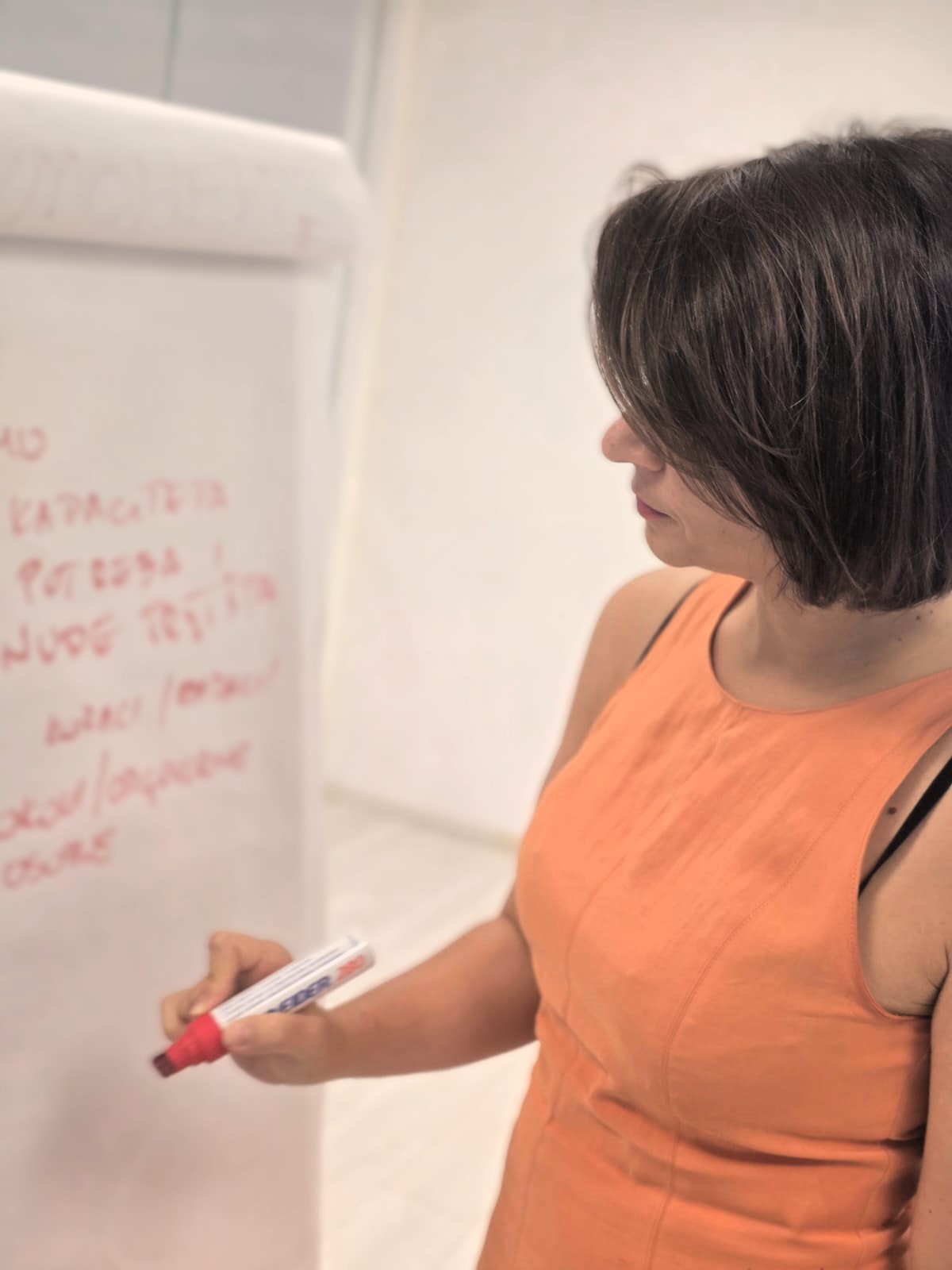
Meet Tanja Kalčić, an entrepreneur who does not offer ready-made solutions, but a space for thinking. Her specialty is Action learning – a method that encourages collaboration, reflection and tackling real challenges without ready-made solutions. His work is based on creating a space in which people listen to each other, ask the right questions and come together to concrete steps.
Tanja is a beneficiary of our the Torpedo Business Service Incubator, and through talking to her, we found out what this process looks like, why it is so effective and who it can benefit from.
Who's Tanja and what's she doing?
My professional roles change depending on the context – sometimes I counsellor, formerly facilitator, educator or researcher, But what is always there is a focus on change, cooperation and learning. I believe in the value of listening that is not superficial, but real.
I worked on various projects and with various organizations in the country and abroad, and during Covid I decided to work independently, in order to align my job with personal values and family life. Today I work with organizations from the business sector, culture, education and public systems, using different methods with an emphasis on action learning, especially in the business context.
What is action learning and how do you use it in your work?
This is a method that has been used for decades. It developed in the UK in the 1940s, and today it is applied by a number of large organizations such asBBC‑, Siemens, IBM‑ and BritishNational health services to address real team challenges through learning and collaboration.
It's not coaching, It's not even training.
Action learning is a method in which participants do not offer each other advice, but ask questions. The process manager follows the dynamics, makes the space safe and encourages focused listening. The key moment is often when someone says: "In fact, I am now clearer on what I need to do."
I use this method to work with teams and organizations that want to make a move but not to tell them what to do, but to They come up with a solution for themselves.
What does an action learning session look like in practice?
Action learning sessions have a clear structure, but they are not rigid. It is important that the process is focused, but flexible. The group usually consists of four to seven participants, and each meeting is dedicated to one real challenge that someone from the group brings from their own experience.
There are no presentations. There is no theory. Everything happens in real time. Crucially, participants ask questions that help the person clarify the situation themselves and find a concrete solution, applicable immediately, until the next meeting.
The process develops communication and organisational skills, learns to listen actively, and the results are concrete – as a team, we have adopted an action plan to address the chosen challenge. It is interesting how much the setting of “real” questions affects the course of the conversation, the mood of the interlocutor, the conclusions reached and how much more connected and efficient we were in solving problems with the application of the method of action learning. – trainee T.G.
My role is to lead the process, ensure a safe and focused space, follow the rhythm and dynamics of the group and support participants to really hear each other.
I think we all need more of that kind of listening. Not fast and superficial, but the one where we really hear what someone is telling us or what they are asking us. In such a space, changes do not come from the outside, they come from the inside. When people feel that someone is really listening to them, when they do not have to react immediately or offer an opinion, a reversal often occurs. Silence becomes useful. Questions open up new thoughts and insights that may not have been immediately visible. And almost every time this Aha! moment happens. Then you know that the process was worthwhile and that The group helped the person come up with a solutionIn your own way and in your own time.
For whom is action learning useful?
Action learning is especially useful for those who do not want another PowerPoint presentation or ready-made recipes, They are already looking for a way to learn while working within a real context and through real challenges.
It is most commonly used:
team leaders, HR experts, coordinators and project managers,
employees and teams within businesses, institutions and public organisations,
Cultural and educational institutions who want to strengthen cooperation and develop open communication,
but also mixed groups from different organisations sharing similar management challenges.
The group may be composed of members of the same organisation, which is useful for developing team dynamics and mutual understanding, but may also involve participants from different organisations. For example, directors of different institutions can learn from each other and develop cooperation through this process, and the same applies to representatives of different companies that share similar management challenges.
Except for solving the problem, is also used to test ideas, develop innovations or project proposals. This is where its strength lies – in flexibility and convenience, without losing focus and depth. Action learning is useful to all who want to create a culture of open communication, joint reflection and concrete action.
I have to admit that I was a bit skeptical at first, but already after the end of the 1st session, I experienced this method very positively. You have made this experience useful and stimulating with your approach and energy. My biggest challenge was to refrain from giving my own opinion and instead shape a question that would help others come to a solution on their own. It is precisely in this that I see the great value of this approach as it encourages active listening and develops the skill of asking constructive questions. – M.G.
What changes do you see in organizations going through the process?
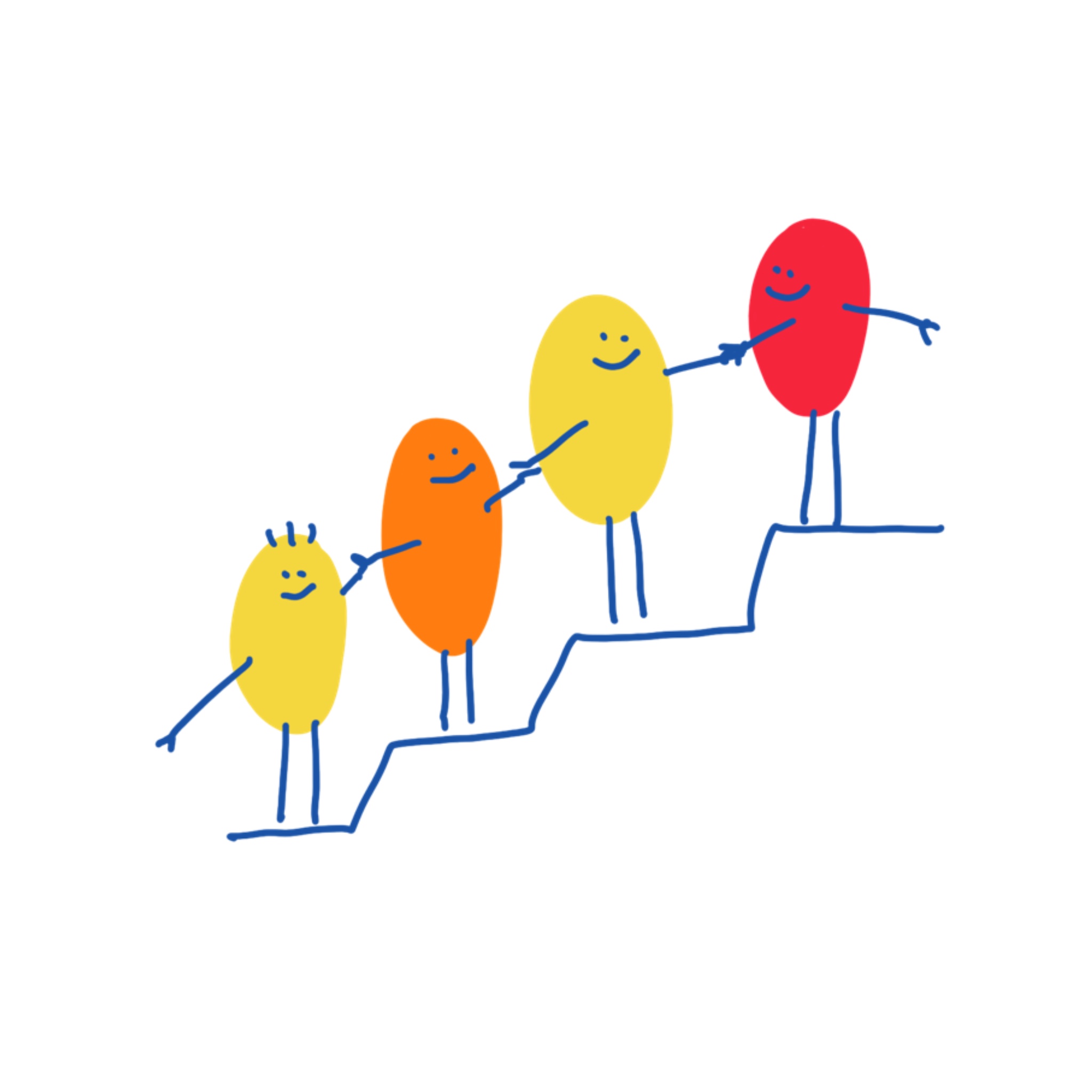
The most common change that participants notice is that they start listening to each other in a different way and this happens already after the first session. No more quick conclusions, skipping or automatic jumping with a solution. There is a space for reflection.
There is often a time when someone says: “No one ever asked me that way.It is precisely such sentences that open up space for new insights, different perspectives and changes – not declarative ones, but those that are immediately applicable in everyday work.
In teams that regularly go through the process of action learning, reflective practice develops over time. People no longer make decisions simply because they “must”, but because they understand why they are doing something and how it affects others. This is not through theory, but through experience. Through the feeling that someone is really listening to you. When the team senses this, the changes happen almost naturally, in a culture of conversation, in mutual trust and a sense of shared responsibility.
What are your plans for the coming months?
In the coming period, I want to open this method even more to organizations both locally and nationally. I plan to regularly conduct action learning, not only in the premises of organizations, but also here, in Porin. It is important to me that people have the opportunity to work outside their offices, in a more neutral environment, as this often contributes to a different focus and openness.
In addition, I am preparing trainings for those who want to learn how to facilitate this process, either within their teams, or as independent facilitators. I want the method to become accessible and practical, but also to have people who can further develop it in their environments.
Do you have any advice for organizations that are just starting to think about different learning and work?
I would say: Give yourself time. You don't have to have a ready-made strategy to get going. Just start a conversation. Sometimes the biggest step is just to pause and listen, without rushing to come up with a solution right away.
Many organizations already have knowledge, ideas and capacities, but we don't recognize them because we don't have space to hear them. And this is where action learning helps – it does not bring ready-made answers, but creates the conditions for them to appear on their own, from within.
Change does not come from the outside, with any other advice. It comes when a space of trust and curiosity is created, in which we can try something different together.
Do you want to create a space for reflection, listening and real change in your team or organization? Think about action learning. Tanja will be happy to share her experience and knowledge with those who are willing to learn differently.
Contact her and explore opportunities to collaborate, educate or work with the group – either in your space or in the neutral and supportive environment of our incubator.
Do you want to build your story with the support of an incubator?
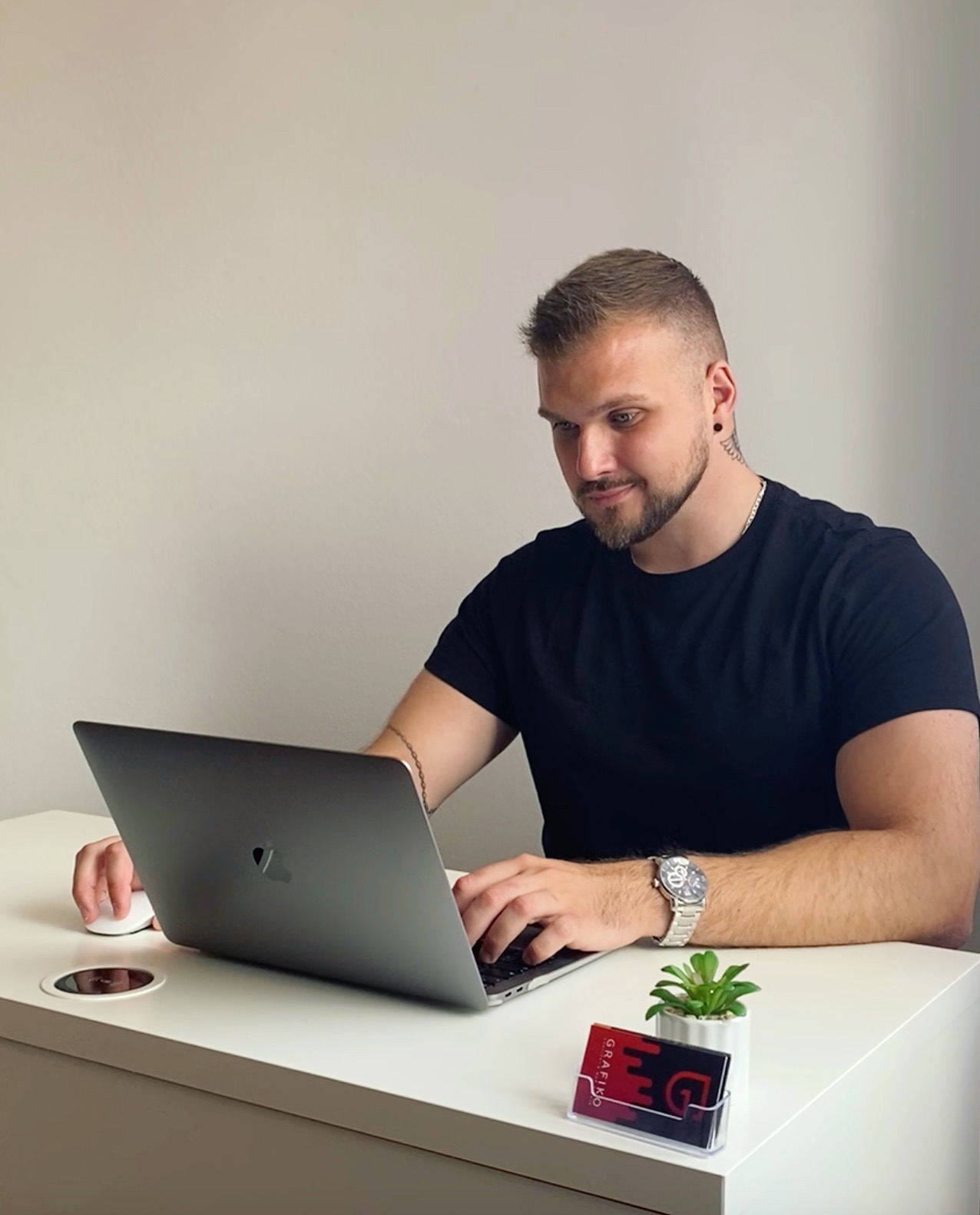
When Ivan designs, doesn't say much, his visualizations speak. For him, design is not an ornament, but a tool that builds trust, recognition and business success. No big noise, but with a clear message, Graphwill provide your brand with a unique identity.
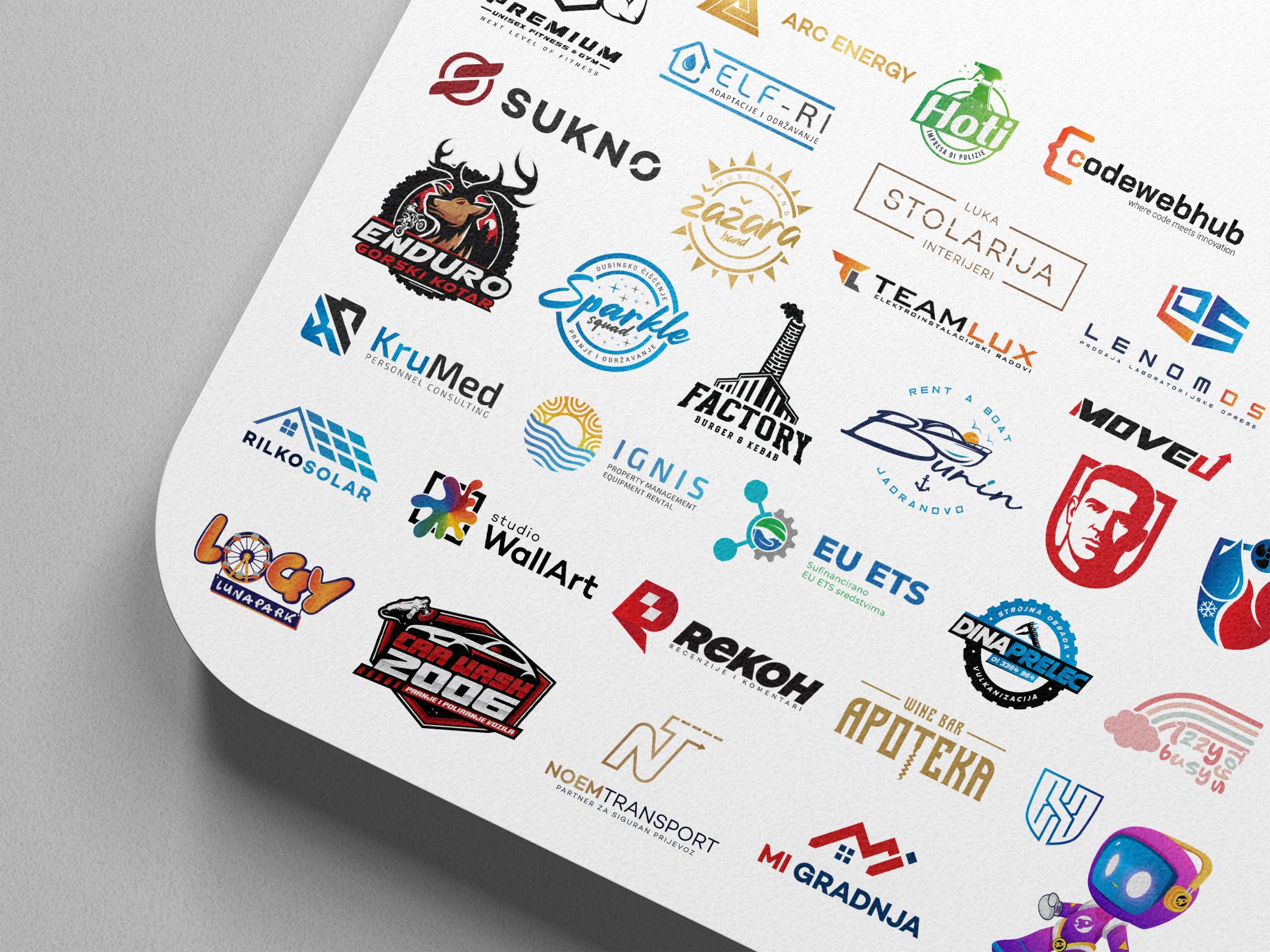
Ivan Mršić, founder of the craft Graph, he has built his business path patiently and through concrete results. It deals with graphic design, website development and development of visual identities while helping clients to present themselves clearly, professionally and recognizably.
My goal is always the same, to present a client so that people remember him.
Before starting the craft, Ivan worked for years as a freelancer for foreign clients. But the desire to cooperate with local entrepreneurs has grown more and more. When he decided to open the chart, he made a step towards the local market and says he did not regret it.
Today he cooperates with clients from all over Croatia, while at the same time maintaining relations with foreign partners. It works peacefully, without pomp but with a clear goal and long-term results.
Incubator as a space to work and connect
The biggest challenge at the beginning?
It's a space. I needed a place where I could work in peace and receive clients.
It's in our the Service Activities Incubator found just that, a decorated and functional office, but also more than that. He found a community. He met new people, ideas were exchanged, new friendships were made.
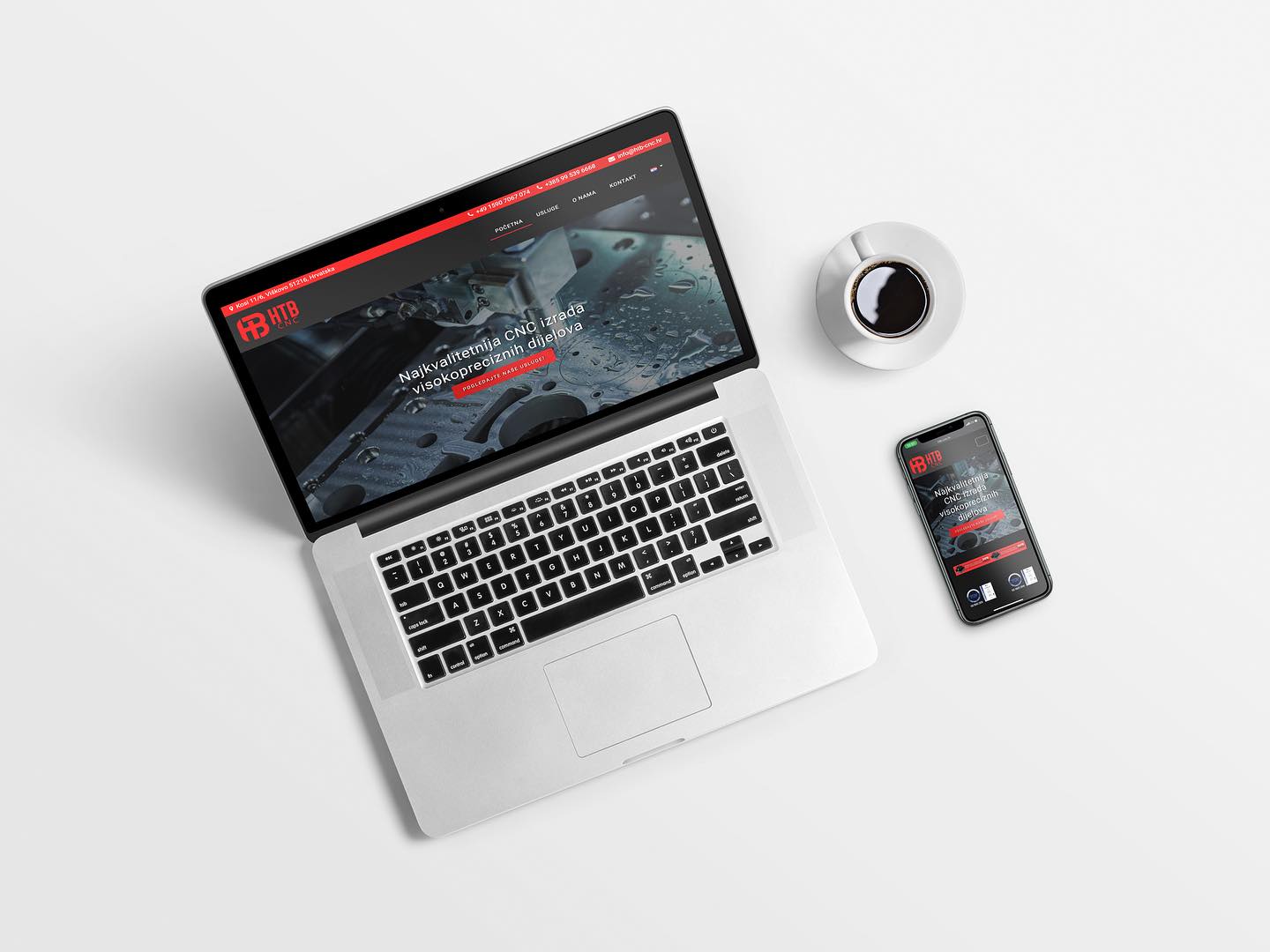
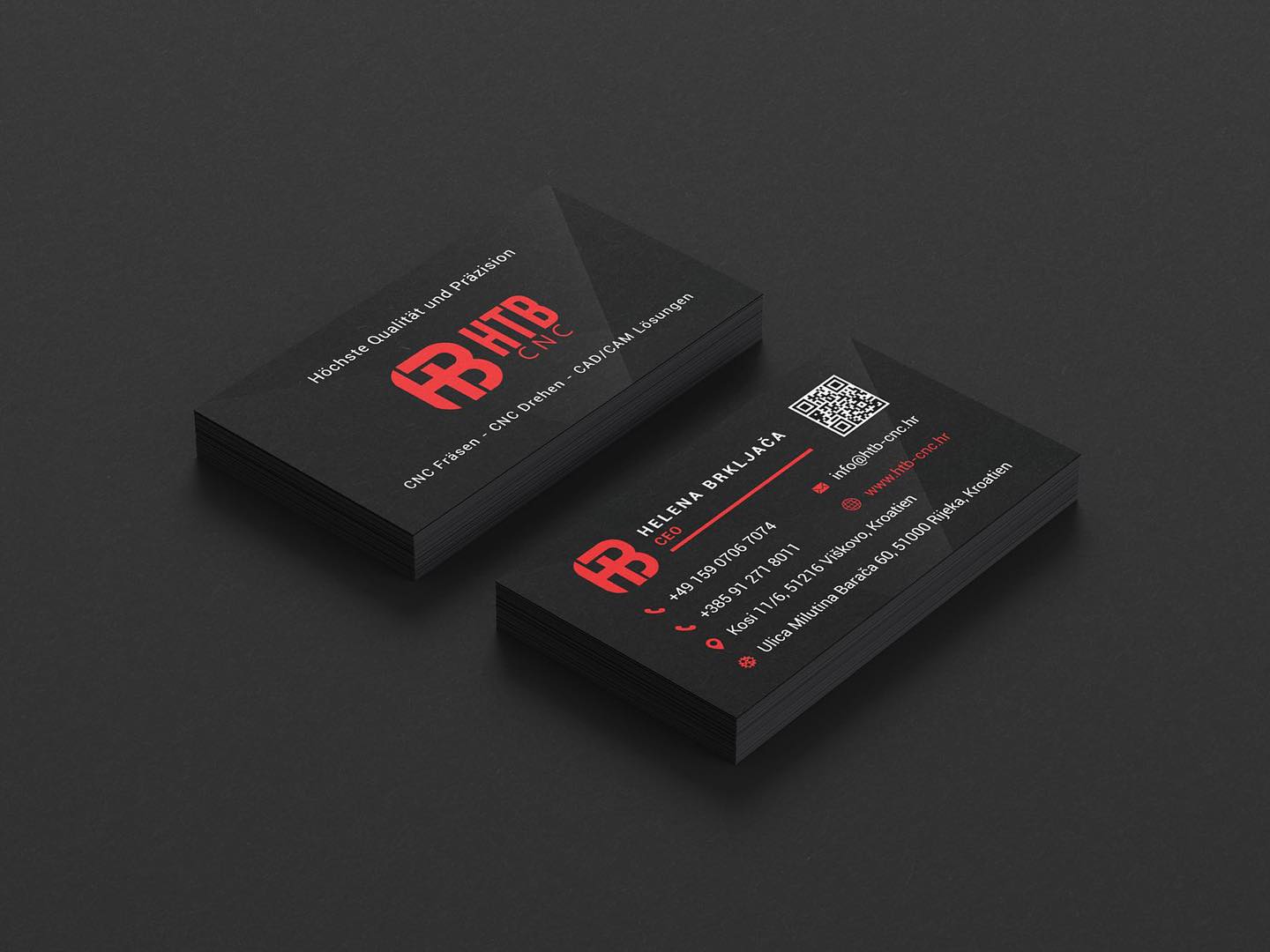
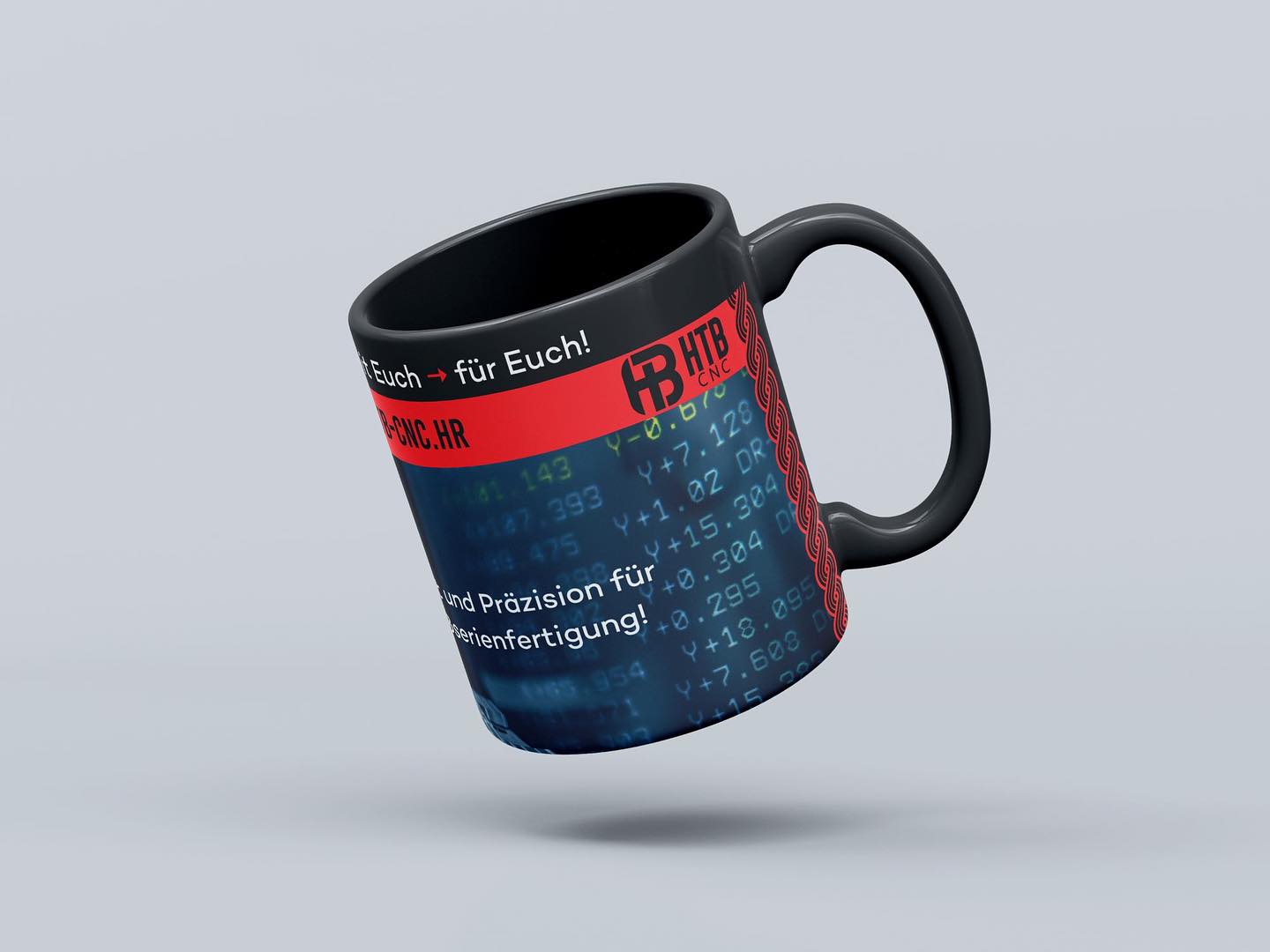
Some of these connections have also grown into business cooperation, and that is, as Ivan says, what is most valuable when you build your business. For the user of our production incubator, HTB CNC d.o.o., has developed a bilingual website, optimized for the Croatian and German markets, thereby increasing visibility and the number of visits. In addition to web design, the collaboration included the production of branded business cards and promotional materials, which further strengthened the company's professional presentation.
Through daily interaction in a common space, this partnership was created naturally – as a result of trust, expertise and a shared desire for quality.
Chart is not just a name – it's an attitude to work
Ivan's working day begins with coffee and e-mails. That's how he sets priorities. When working on a new visual identity, the first one goes to research: client, audience, market, story. Only after that sketches and search for the right direction for the brand. He enjoys designing visuals the most, he can let his imagination go. Colors, shapes, composition... every project is a new opportunity to create something unique.
Of course, it doesn't always go smoothly. There were also stressful situations. Like the one when a client asked him to design promotional materials and finish the logo – for tomorrow!
I took a deep breath and counted the remaining nerves.
Although the contents were not yet ready, they were working together, by phone and late at night, to complete everything so that the packages could arrive in time for their trip to the Netherlands. There was no sleep, but he says the feeling of handing everything over on time is invaluable.
Today Grafiko has a stable pace and a list of returning clients. Ivan has a number of successful projects behind him, including cooperation with the institutions of the Republic of Croatia and one of the largest logistics companies in the region, for which he has not only created a new website, but is currently working on the development of an internal system for business process optimization. Ivan emphasizes that design should not be seen as a cost, but as an investment.
In the future, it plans to expand its offer, especially in the area of digital solutions.
My focus is on functional web projects and customized systems that really help clients in their business.
Design as an investment, not cost
Ivan emphasizes that design should not be seen as a cost, but as an investment.
Professional design is not just an aesthetic accessory. It is a key element that can decide on the success or failure of a brand.
He explains that visual identity is the first contact that a potential client has with your company, and if this impression is not good, the business opportunity can easily be missed.
Quality design increases trust, sales and saves money in the long run.
Therefore, in working with clients, he insists on consistency and clarity, whether it is a logo, a website or digital materials.
If the design does not distinguish you from the competition, you risk not being noticed by the market.
Here are a few key reasons why professional visuals are an indispensable tool in every brand:
attracts attention in overcrowded feeds and increases engagement (likes, comments, sharing)
builds recognition through consistent use of colors, fonts and styles
conveys messages more clearly, visually explaining what words often cannot summarize
connects with the audience emotionally, through colors, symbols and tone of communication
makes a professional impression, which directly affects the trust and seriousness of the brand
Any design that emerges from the Graph is not only “beautiful” but also functional. Ivan perceives design as a tool that solves problems and moves the brand forward. Whether it's an Instagram post, a Facebook ad or a LinkedIn graphic, the goal is to stand out, keep your attention and communicate the message clearly and effectively.
A message without too many words
Go without fear. It doesn't have to be perfect from the beginning. It is important to learn on the go, build relationships and believe in what you do. Any effort sooner or later pays off.
Ivan does not share motivational quotes but shares advice that is valid.
Do you want to build your story with the support of an incubator?
The Torpedo Production Park has started a new business collaboration that best reflects the innovative and collaborative spirit of our entrepreneurial ecosystem.
Users Business incubator for manufacturing activities, MILAB j.d.o.o., the creator of the natural cosmetics brand Marù and Kapela Distilling Company d.o.o. with their IT branch Kapela Code, through work in our space and program, they recognized common interests and values.
The day-to-day interaction and exchange of experiences encouraged them to cooperate, formalised by signing a business partnership agreement. The focus of cooperation is the development of digital marketing and communication tools with the aim of further growth and strengthening the Marù brand.
The signing of the partnership was presented by Lara Saftić Martinović i Tea Puccetti MILAB company, and Neven Vorkapić from the Kapela Distilling Company.
Marù: Cosmetics that combine simplicity, efficiency and sustainability
Marù is a Croatian brand of functional cosmetics whose philosophy reads: “Less devices, more performance”. Combining scientific precision with natural ingredients and unique zero-waste With ceramic and glass packaging, Marù offers an honest and sustainable approach to daily care without complicating it.
Within the framework of the new cooperation, Kapela Code will take over the development and implementation AI avatars Marù – digital brand ambassadors to be integrated into marketing activities and customer support. This innovative breakthrough connects technology and sustainability and opens up space for a new level of communication with users.
Chapel of the Code: Technology as a tool for creating value
Digital branch of the Chapel of Distilling Company, Chapel of Code, It translates the philosophy of precision and passion into the world of technology. They specialize in the development of complex web solutions, applications, strategic marketing and the application of advanced AI technologies with the aim of creating concrete and long-term value for their partners.
Their expertise in developing AI virtual assistants and creating digital persons will ensure that Marù authentically conveys brand values, positions itself as a technological leader in the Croatian market and connects with the audience in a new, modern way.
Fostering collaboration and connectivity in our ecosystem
We are proud to see that it is within our ecosystem that concrete collaborations are being developed that link entrepreneurship, innovation and shared growth. This partnership confirms that our space is not just a place of work but a community where entrepreneurs exchange ideas, collaborate and grow together. That's exactly what we want to encourage.
— Nenad Antolović, Director of the Rijeka Development Agency Porin
Do you want to build your story with the support of an incubator?