Change doesn't happen when we get another piece of advice. It happens when we stop, listen and try something different together.
Meet Tanja Kalčić, an entrepreneur who does not offer ready-made solutions, but a space for thinking. Her specialty is Action learning – a method that encourages collaboration, reflection and tackling real challenges without ready-made solutions. His work is based on creating a space in which people listen to each other, ask the right questions and come together to concrete steps.
Tanja is a beneficiary of our the Torpedo Business Service Incubator, and through talking to her, we found out what this process looks like, why it is so effective and who it can benefit from.
Who's Tanja and what's she doing?
My professional roles change depending on the context – sometimes I counsellor, formerly facilitator, educator or researcher, But what is always there is a focus on change, cooperation and learning. I believe in the value of listening that is not superficial, but real.
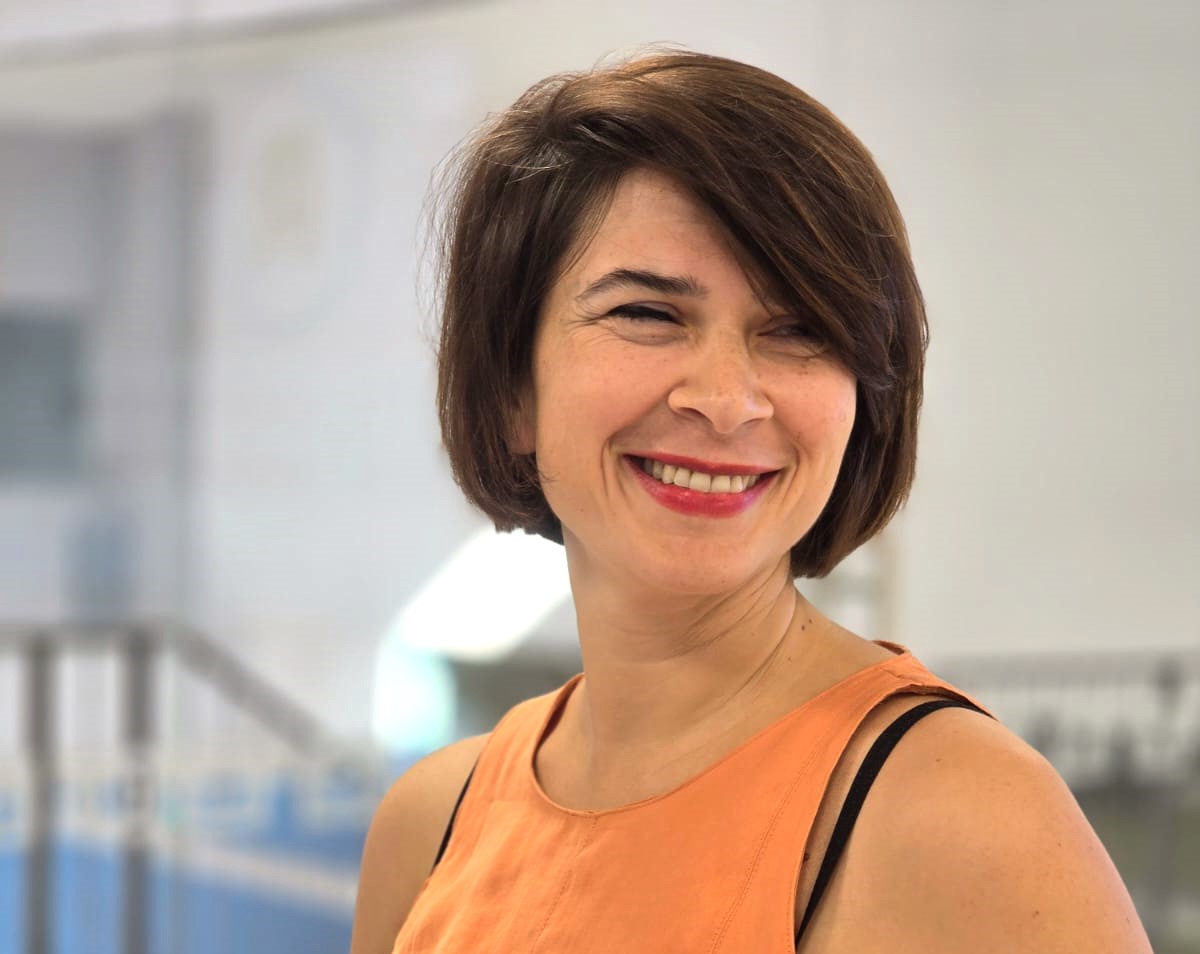
I worked on various projects and with various organizations in the country and abroad, and during Covid I decided to work independently, in order to align my job with personal values and family life. Today I work with organizations from the business sector, culture, education and public systems, using different methods with an emphasis on action learning, especially in the business context.
What is action learning and how do you use it in your work?
This is a method that has been used for decades. It developed in the UK in the 1940s, and today it is applied by a number of large organizations such as BBC‑, Siemens, IBM‑ and British National health services to address real team challenges through learning and collaboration.

It's not coaching, It's not even training.
Action learning is a method in which participants do not offer each other advice, but ask questions. The process manager follows the dynamics, makes the space safe and encourages focused listening. The key moment is often when someone says: "In fact, I am now clearer on what I need to do."
I use this method to work with teams and organizations that want to make a move but not to tell them what to do, but to They come up with a solution for themselves.
What does an action learning session look like in practice?
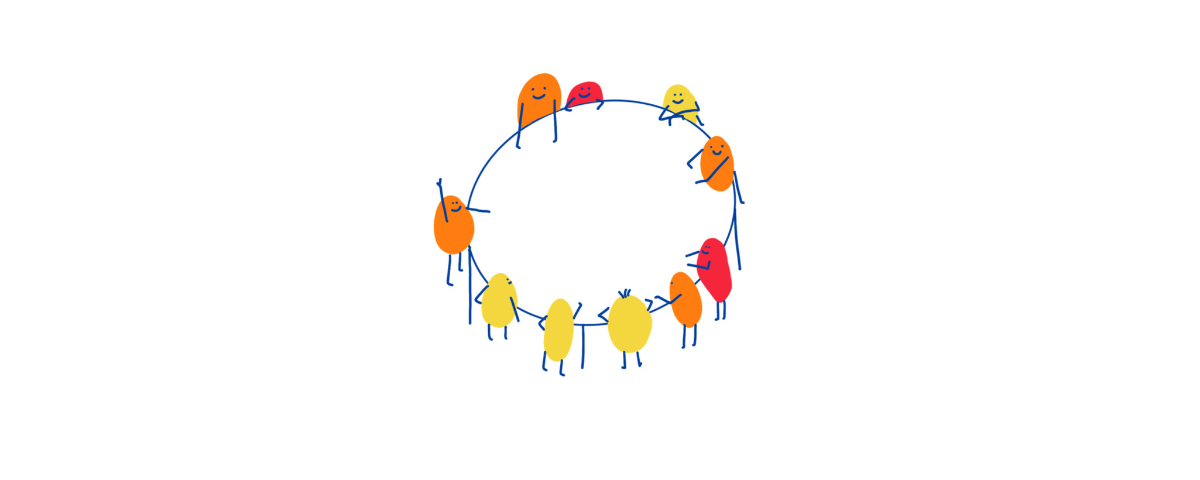
Action learning sessions have a clear structure, but they are not rigid. It is important that the process is focused, but flexible. The group usually consists of four to seven participants, and each meeting is dedicated to one real challenge that someone from the group brings from their own experience.
There are no presentations. There is no theory. Everything happens in real time. Crucially, participants ask questions that help the person clarify the situation themselves and find a concrete solution, applicable immediately, until the next meeting.
The process develops communication and organisational skills, learns to listen actively, and the results are concrete – as a team, we have adopted an action plan to address the chosen challenge. It is interesting how much the setting of “real” questions affects the course of the conversation, the mood of the interlocutor, the conclusions reached and how much more connected and efficient we were in solving problems with the application of the method of action learning. – trainee T.G.
My role is to lead the process, ensure a safe and focused space, follow the rhythm and dynamics of the group and support participants to really hear each other.
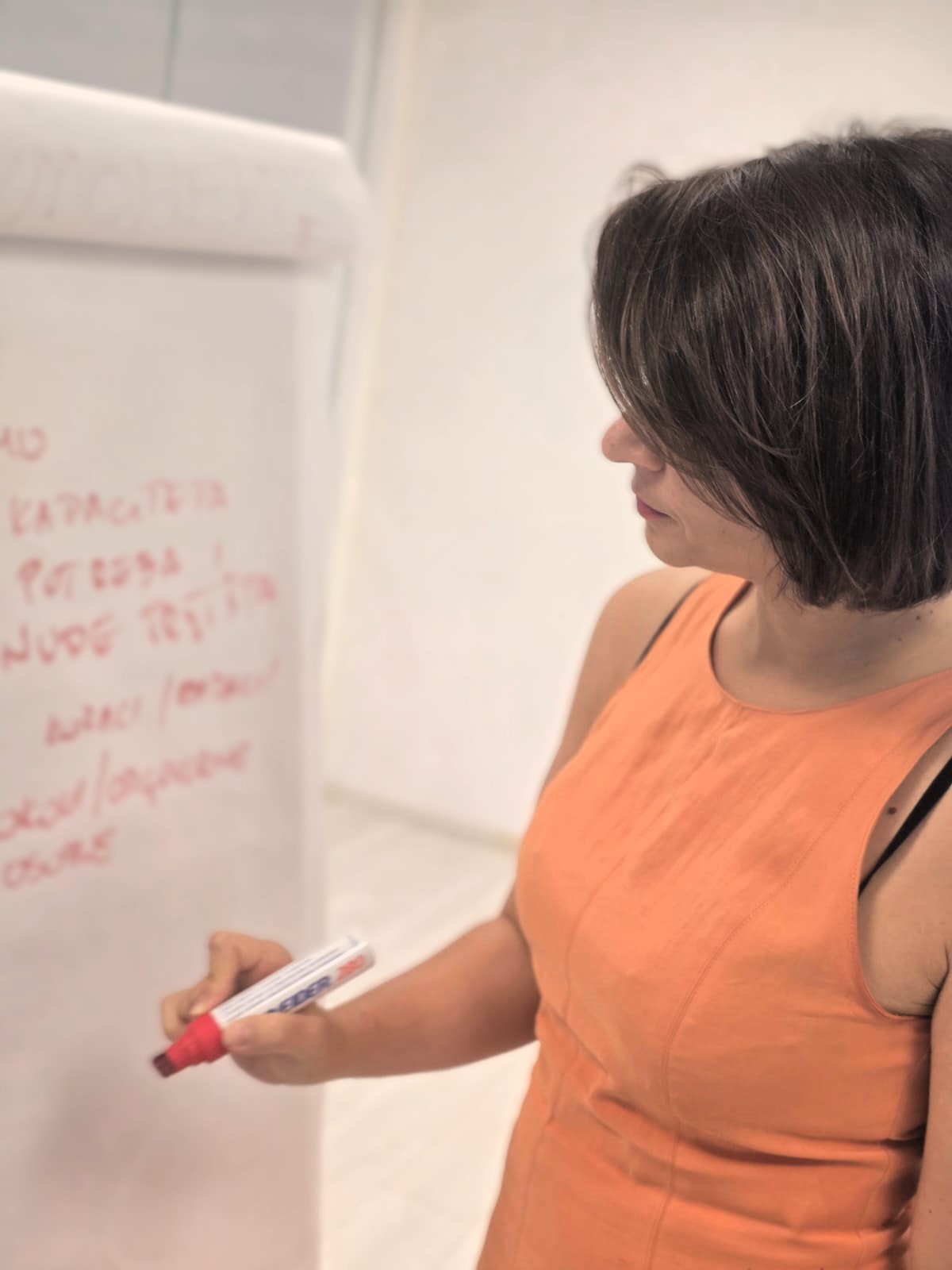
I think we all need more of that kind of listening. Not fast and superficial, but the one where we really hear what someone is telling us or what they are asking us. In such a space, changes do not come from the outside, they come from the inside. When people feel that someone is really listening to them, when they do not have to react immediately or offer an opinion, a reversal often occurs. Silence becomes useful. Questions open up new thoughts and insights that may not have been immediately visible. And almost every time this Aha! moment happens. Then you know that the process was worthwhile and that The group helped the person come up with a solution In your own way and in your own time.
For whom is action learning useful?
Action learning is especially useful for those who do not want another PowerPoint presentation or ready-made recipes, They are already looking for a way to learn while working within a real context and through real challenges.
It is most commonly used:
- team leaders, HR experts, coordinators and project managers,
- employees and teams within businesses, institutions and public organisations,
- Cultural and educational institutions who want to strengthen cooperation and develop open communication,
- but also mixed groups from different organisations sharing similar management challenges.
The group may be composed of members of the same organisation, which is useful for developing team dynamics and mutual understanding, but may also involve participants from different organisations. For example, directors of different institutions can learn from each other and develop cooperation through this process, and the same applies to representatives of different companies that share similar management challenges.
Except for solving the problem, is also used to test ideas, develop innovations or project proposals. This is where its strength lies – in flexibility and convenience, without losing focus and depth. Action learning is useful to all who want to create a culture of open communication, joint reflection and concrete action.
I have to admit that I was a bit skeptical at first, but already after the end of the 1st session, I experienced this method very positively. You have made this experience useful and stimulating with your approach and energy. My biggest challenge was to refrain from giving my own opinion and instead shape a question that would help others come to a solution on their own. It is precisely in this that I see the great value of this approach as it encourages active listening and develops the skill of asking constructive questions. – M.G.
What changes do you see in organizations going through the process?
The most common change that participants notice is that they start listening to each other in a different way and this happens already after the first session. No more quick conclusions, skipping or automatic jumping with a solution. There is a space for reflection.
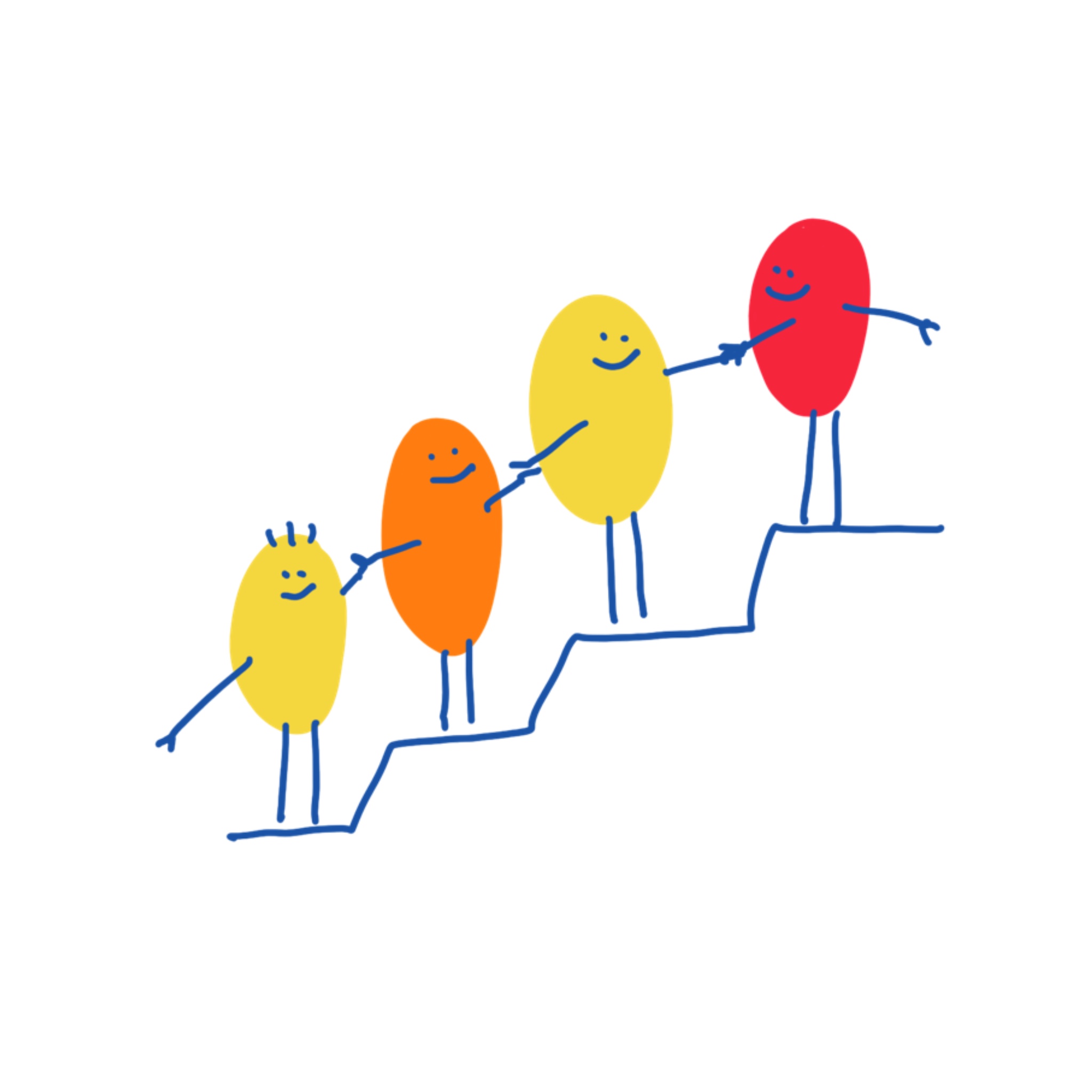
There is often a time when someone says: “No one ever asked me that way.It is precisely such sentences that open up space for new insights, different perspectives and changes – not declarative ones, but those that are immediately applicable in everyday work.
In teams that regularly go through the process of action learning, reflective practice develops over time. People no longer make decisions simply because they “must”, but because they understand why they are doing something and how it affects others. This is not through theory, but through experience. Through the feeling that someone is really listening to you. When the team senses this, the changes happen almost naturally, in a culture of conversation, in mutual trust and a sense of shared responsibility.
What are your plans for the coming months?
In the coming period, I want to open this method even more to organizations both locally and nationally. I plan to regularly conduct action learning, not only in the premises of organizations, but also here, in Porin. It is important to me that people have the opportunity to work outside their offices, in a more neutral environment, as this often contributes to a different focus and openness.
In addition, I am preparing trainings for those who want to learn how to facilitate this process, either within their teams, or as independent facilitators. I want the method to become accessible and practical, but also to have people who can further develop it in their environments.
Do you have any advice for organizations that are just starting to think about different learning and work?
I would say: Give yourself time. You don't have to have a ready-made strategy to get going. Just start a conversation. Sometimes the biggest step is just to pause and listen, without rushing to come up with a solution right away.
Many organizations already have knowledge, ideas and capacities, but we don't recognize them because we don't have space to hear them. And this is where action learning helps – it does not bring ready-made answers, but creates the conditions for them to appear on their own, from within.
Change does not come from the outside, with any other advice. It comes when a space of trust and curiosity is created, in which we can try something different together.
Do you want to create a space for reflection, listening and real change in your team or organization? Think about action learning. Tanja will be happy to share her experience and knowledge with those who are willing to learn differently.
Contact her and explore opportunities to collaborate, educate or work with the group – either in your space or in the neutral and supportive environment of our incubator.
Do you want to build your story with the support of an incubator?
Contact us and find out how we can help you.