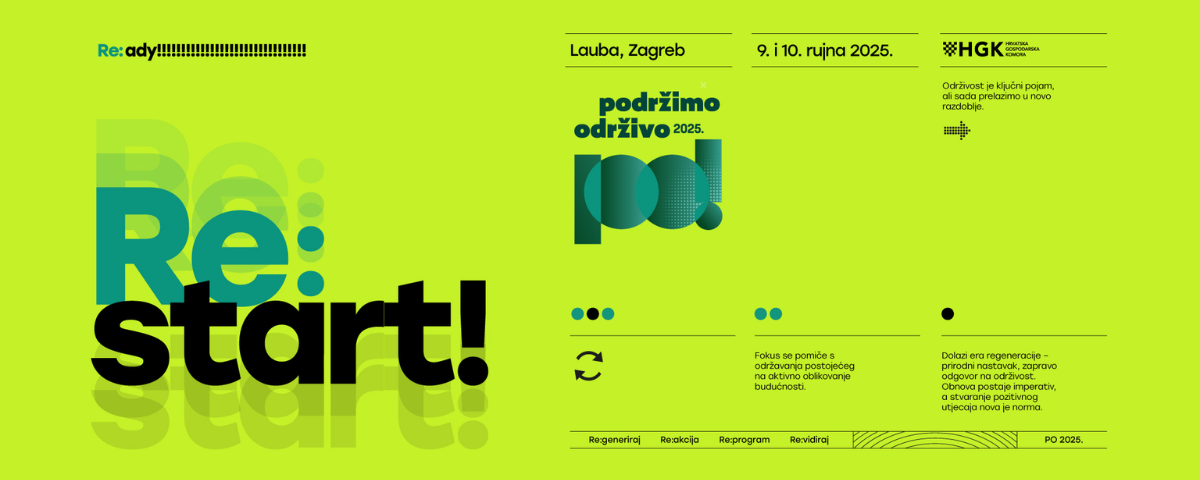
Croatian Chamber of Economy (HGK) organizes its first pitch competition focused on Croatian start-ups and scale-ups that develop green solutions. The competition is being held as part of the sixth sustainability conference “HGK Support Sustainable”, which will be held on 9 and 10 September in Zagreb.
The best teams in both categories (start-up and scale-up) expect Valuable rewards:
5,000 euros
Study trip to Japan
Assessment of investment readiness and recommendations for improvement
Connect with the network of domestic and international investors
Pitch competition HGK is a way for these companies to grow and realize their full potential, and also serves as a springboard for the international placement of green solutions that have emerged in Croatia.
Marija Šćulac, Director of the Sector for Industry and Sustainable Development of the Croatian Chamber of Economy
Who can apply?
Croatian companies have the right to apply in start-up or scale-up phase, which:
develop green, innovative technological, production or service solutions renewable energy, recycling and reuse, circular design and production, as well as projects in waste management, water and marine protection, biodiversity and ecosystems, pollution, sustainable agriculture, mobility, climate and construction/construction;
have a level Technology readiness between TRL 5 and TRL 8;
So far they have collected less than €5 million of investment.
Applications are open until 28 July 2025.
After the pre-selection, the best teams will have the opportunity to present their project live at the conference Supporting sustainably in front of the audience, experts and investors.
More information and registration
All the details of the competition and conference, as well as the online application form, can be found on the official website of the conference: https://podrzimoodrzivo.hgk.hr
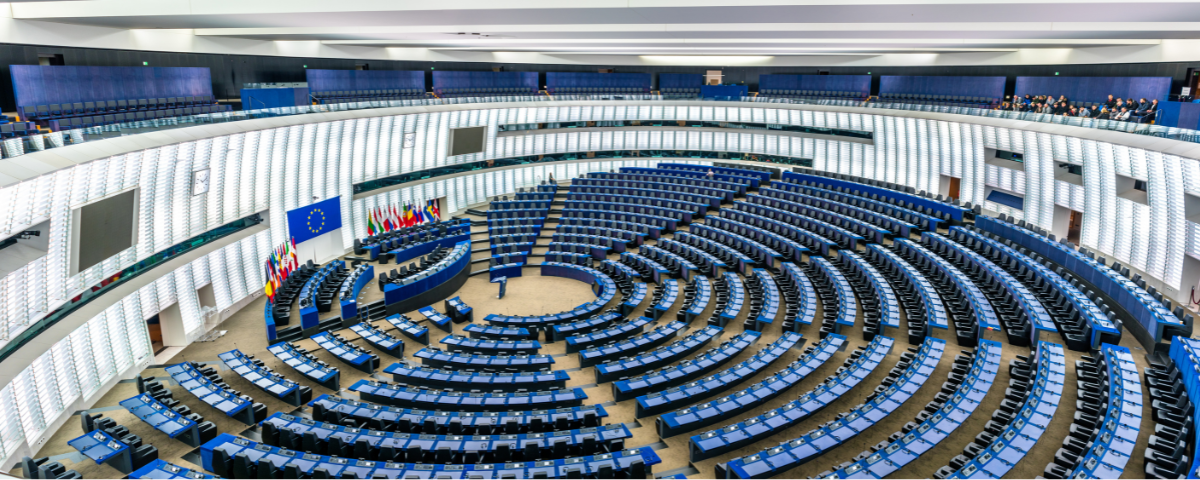
The new multiannual framework aims to strengthening the independence, resilience and competitiveness of the European Union in the next decade and in line with the Commission’s ambitions to make society and the economy independent, prosperous, secure and prosperous;
A fundamental redesign of the EU budget has been proposed to make it simpler, more flexible and more efficient while it remains Continues to support people, businesses, Member States, regions, partners and – above all – the common future of the Union.
"Our new long-term budget will help protect European citizens, strengthen the European social model and our European industry. At a time of geopolitical instability, the budget will allow Europe to shape its own destiny, in line with its own vision and ideals. A budget that supports peace and prosperity and promotes our values is the best tool at our disposal in these uncertain times." – Ursula von der Leyen
The key features of the new budget are:
Greater flexibility and simplicity in the use of funds.
Coordinated national and regional partnership plans.
Strong support for cohesion and agricultural policies, including simplified rules and support for rural communities.
Investing in skills, employment, social inclusion and equality.
Increased transparency and protection of the rule of law.
The budget also proposed New own resources Adapting existing ones, which will reduce the pressure on national budgets and what it could bringApproximately 58.5 billion. EUR per year to the EU budget.
The five new own sources of revenue include:
Emissions Trading (ETS) – a budget contribution of approximately EUR 9.6 billion per year;
Carbon Border Adjustment (CBAM) – around EUR 1.4 billion per year
Uncollected e-waste – revenue of approximately EUR 15 billion per year;
Tobacco excise duties – around EUR 11.2 billion per year
Corporate Contribution of Large Enterprises (CORE) – around EUR 6.8 billion per year
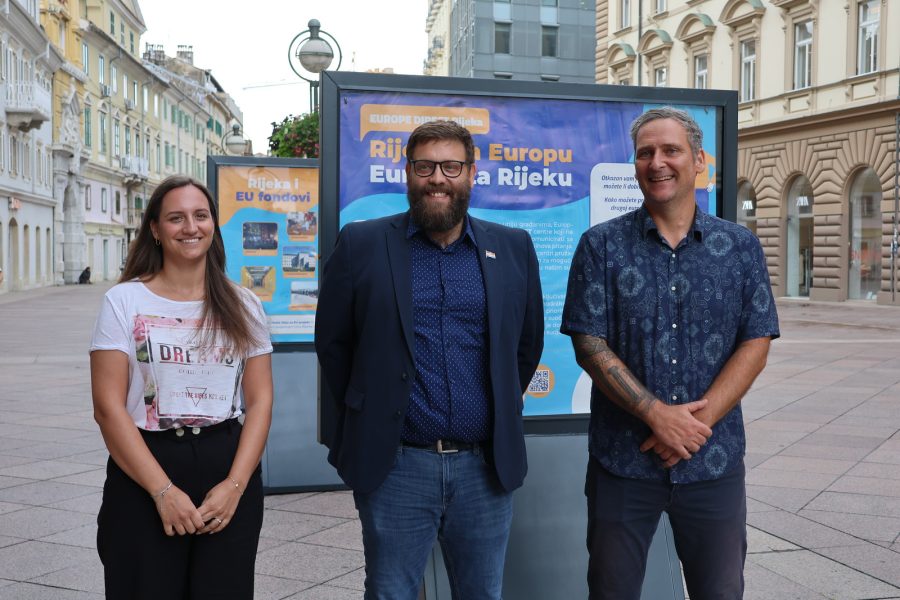
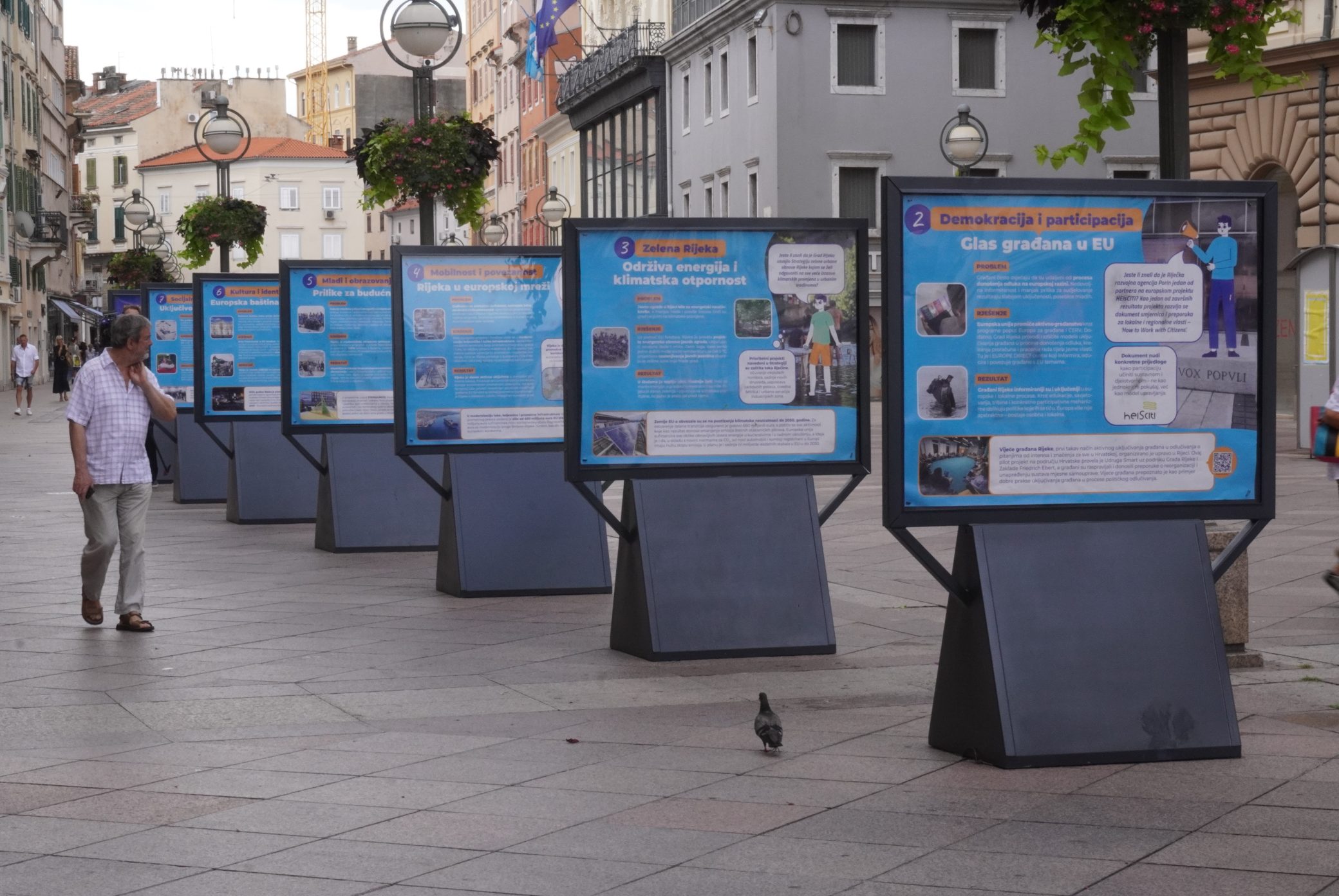
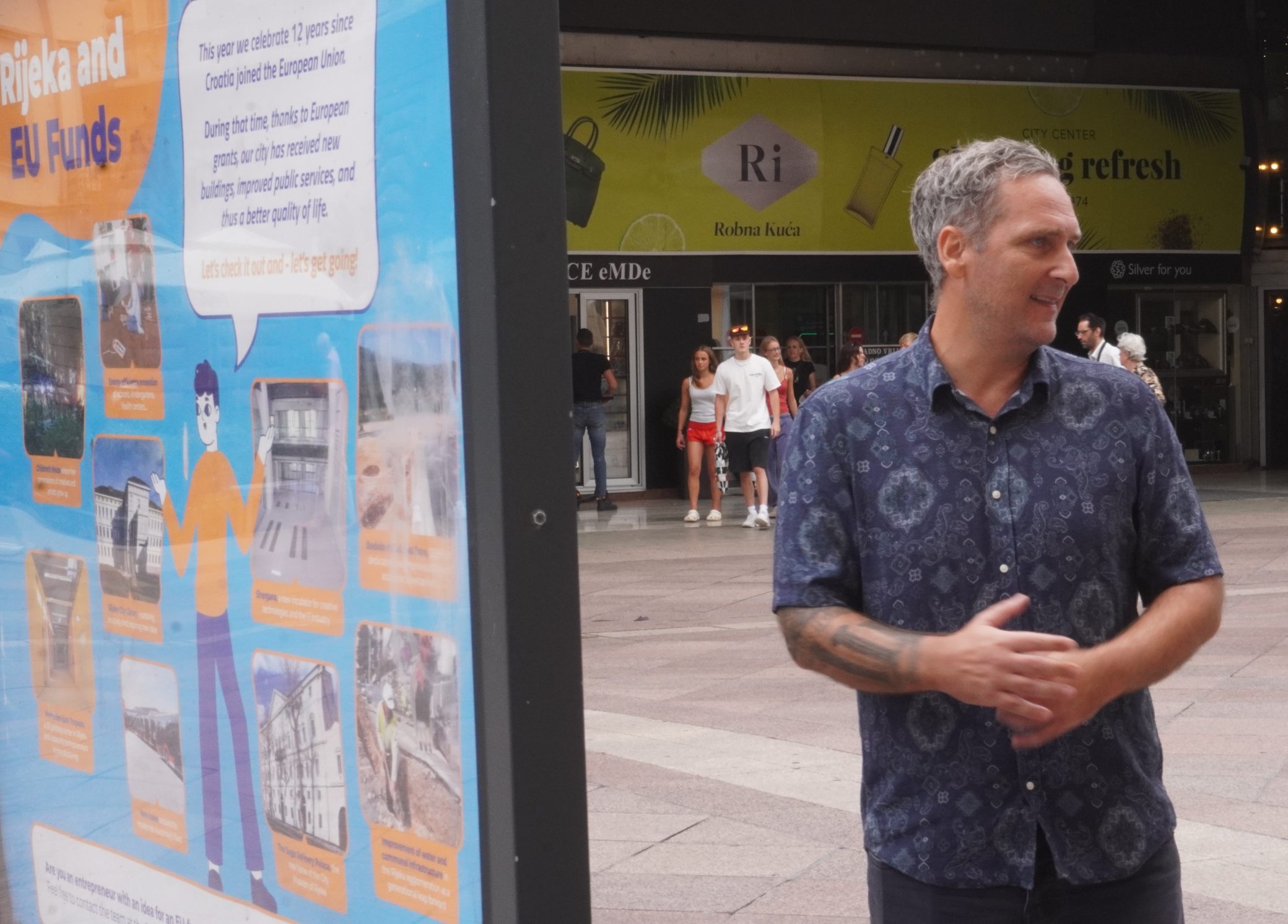
On the occasion of the 12th anniversary of Croatia's membership in the European Union, EUROPE DIRECT Rijeka organised the exhibition “Rijeka for Europe – Europe for Rijeka” at the Rijeka Korzo.
The exhibition provides an overview of the concrete and visible benefits of Croatia’s membership in the EU, with a special emphasis on projects carried out in Rijeka and its surroundings – those closest to the citizens, the most tangible and the most valuable.
Following last year's exhibition on the benefits of the European Union's single market, this year's exhibition is another step forward in bringing European policies closer to everyday life. Through simple, accessible and visually powerful views, visitors can see how European funds and initiatives directly affect our city – from infrastructure, digital transformation and youth mobility, to social inclusion and education.
Over the past 12 years, Rijeka has undergone an exceptional transformation with the help of EU funds: schools, kindergartens and homes were renovated, cultural and technological infrastructure was developed, public transport was modernised. But, The exhibition highlights that European funds are not just investments in buildings and roads, but investments in knowledge, people and the future – in citizens of all generations..
5 years of Europe Direct Rijeka – concrete results and public recognition
EUROPE DIRECT Rijeka has achieved in the last five years:
76+ events in the city and region
thousands of citizens included through workshops, quizzes, forums and school visits
manifestation “Sea meets – EU Beach Cleanup” with over 200 volunteers, including 60 divers
Torpedo Days – seven annual editions linking innovation, sustainability and the community
tour on the EU Single Market the Korzo
design Eugene, a recognised communicator who presented EU topics to citizens in a clear and close way
Forward looking: New mandate and new objectives
Now, at the turn of the new cycle, EUROPE DIRECT Rijeka is preparing to apply for a second five-year term.
The goal remains the same: Even more accessible, clearer and more concrete communication with citizens. It is planned to strengthen the digital presence, include new social groups and introduce new formats such as augmented reality in educational activities.
We believe that there is still a lot to improve – we want to reach an even wider audience and be even more present in the daily lives of citizens. We want to bring the European Union closer in a simple, clear and concrete way.
We invite you to take a walk through Korzo and find a story about how The EU and Rijeka are building a better future together! The exhibition will be open by 15 July 2025
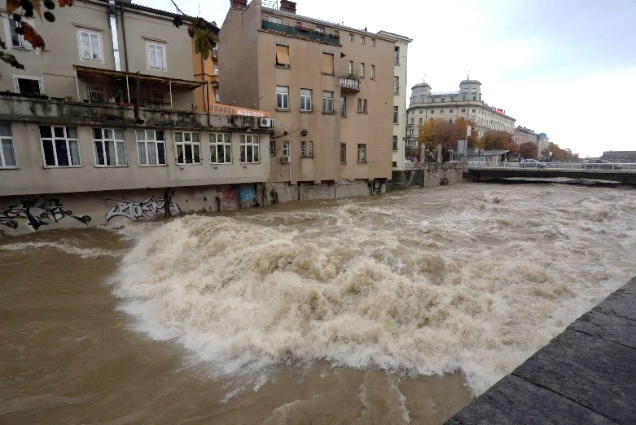
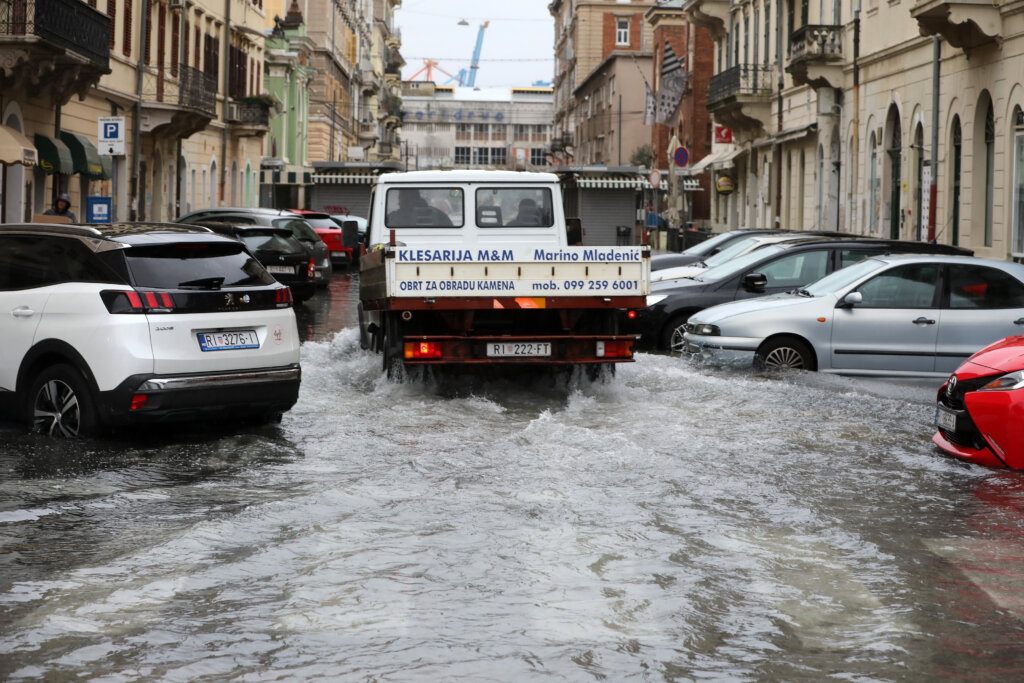
As climate change intensifyes, so do the challenges faced by communities across Croatia. One of the most immediate threats is the increasing frequency and severity of flash and storm floods that can disrupt everyday life, damage homes and overburden local infrastructure. But efforts are being made across the country, especially in vulnerable areas, to reduce these risks and protect people, property and the environment.
Why Flooding is Important
Unlike large river floods, torrential and storm floods often occur without warning. They are caused by intense rainfall in a short period of time, and most often affect small rivers, streams and urban storm drainage systems. In mountainous and mountainous areas such as Gorski Kotar, Lika and parts of the Dalmatian hinterland, rainwater can quickly flow down the slopes into narrow valleys, flooding streams and canals. Urban areas such as Rijeka or Split are also at risk, especially when outdated drainage systems cannot withstand sudden showers.
Climate change in Croatia: key risk factor
Croatia is already experiencing longer periods of drought and more intense storms. The Intergovernmental Panel on Climate Change (IPCC) and national climate projections confirm that southern and coastal parts of Croatia are particularly vulnerable to extreme weather events, including localised flooding. The new climate reality puts a heavy burden on our water management systems and increases the urgency of strengthening disaster risk reduction (DRR) strategies at all levels – from state to local communities.
What is being done?
Croatia does not stand with its hands crossed. Numerous national and regional programmes help reduce the risk of flash floods and storm floods:
Improving the monitoring and early warning system Hrvatske vode, the national water management body, manages an increasing network of hydrological and meteorological sensors that monitor water levels in real time.
Green infrastructure and nature-based solutions In line with EU policies, Croatia invests in sustainable flood protection that cooperates with nature. Restoring wetlands, preserving natural floodplains and planting vegetation along watercourses slow down runoff and reduce negative effects downstream. These nature-based approaches are often more cost-effective – and beneficial for biodiversity – than conventional concrete solutions.
Raising awareness and community readiness Public campaigns and school programmes help citizens understand what to do in case of sudden flooding. Local authorities, civil protection and volunteer fire brigades regularly conduct exercises and training in flood-prone areas.
Transnational cooperation Croatia is an active partner in European projects aimed at strengthening flood resilience across borders. For example, initiatives under the Interreg IPA ADRION programme and the Danube Transnational Programme help to develop common tools, training and coordinated flood response plans in the Adriatic-Ionian and Danube regions.
Local stories, real impact
In Rijeka, where Rječina can move from peaceful to terrifying in an instant, the pilot project helps the city anticipate flash floods through real-time data, digital flood risk scenarios and connection to a transnational decision support system (DSS). This is a crucial step towards a more resilient and better prepared urban space in addressing climate risks.
View in advance
Fighting flash floods and storm floods is not just a technical issue – it is a question of community resilience. By combining smart planning, modern technologies and local knowledge, Croatia is building a more prepared and sustainable future. But everyone has a role to play. Whether you are an entrepreneur, farmer, engineer, student or parent – understanding risks and being informed in a timely manner are the first steps in protecting our families and neighbourhoods.
Want to know more?
See your municipality's or city's website for information on flood zones and emergency procedures. Also, you can follow news from Hrvatske vode, the Directorate of Civil Protection and EU projects such as URBANFLOODS, for the latest information and innovations in flood risk management.
Dana 28 September 2022, Rijeka was hit by a devastating torrential flood caused by heavy rain. Unfortunately, in this flood life was lost by one person who was taken down the street by a powerful torrent.

![[EUROPE DIRECT Rijeka] 5 years of work and exhibition “Rijeka for Europe – Europe for Rijeka”](https://porin.hr/wp-content/uploads/2025/07/20250708_095146-scaled-e1751982362294.jpg)
![[URBANFLOODS] Protecting our future: How Croatia fights floods and builds resilience](https://porin.hr/wp-content/uploads/2025/06/POPLAVA.png)