[URBANFLOODS] Implementation of a project to strengthen cities' flood resilience through an integrated flood control system has started

The Adriatic-Ionian region, with its unique geographical and climatic conditions, is increasingly exposed to severe flooding due to a combination of climate change and land use change. These events have led to significant geomorphological adjustments of river channels and, historically, have caused significant damage to life, property, agriculture and tourism infrastructure.

URBANFLOODS the initiative aims to strengthen urban resilience to increasing flood threats, in particular to rivers and streams in the urban environment of the Adriatic-Ionian region. By developing an integrated decision support system under the EU Floods Directives, the project aims to transform flood management as well as preparedness for response. URBANFLOODS will raise public awareness, recommend new flood prevention policies and provide strategic action plans for the short, medium and long term. Designed to benefit local authorities, communities, policy-makers and the public, this initiative will build stronger cities more resilient to floods for the future.

Specific objectives of the project

  • Joint development of an integrated decision support system (DSS): implies the creation of an advanced data-driven system that offers comprehensive flood management solutions and early warning systems.
  • Strengthening natural and civil protection mechanisms: focus on improving existing natural and civil protection strategies and introducing new measures to further protect the Adriatic-Ionian region from flood risks.
  • Adoption of protocols for effective practices, transnational strategies and action plans including identification, documentation and adoption of successful flood management strategies and action plans, which can serve as a reference for other regions facing similar problems.
  • Education of local communities: This objective aims to improve the understanding of flood risks among local communities by fostering a culture of ‘preparedness’ and promoting proactive measures to mitigate potential consequences.

Main expected results

  • 1 unique DSS (Decision Support System) It will improve the capacity of local authorities to reduce flood risk in urban areas and increase urban resilience by providing sophisticated, data-driven flood management solutions. The self-contained DSS will be confirmed and demonstrated at 9 different pilot locations.
  • 1 Joint transnational strategy It will establish a targeted way to achieve efficient and effective flood management. It will provide a shared vision, goals, policies, actions and measures, based on a SMART data-driven approach.
  • 3 Action Plans It will turn the jointly developed transnational strategy into actions, with the aim of increasing knowledge and helping decision-making for 3 categories of key institutions: (1) Local/regional authorities, (2) Civil Protection Authorities, (3) National authorities.
  • 1 Memorandum of Understanding: formal agreement between the parties to continue cooperation after the end of the project. It will promote the exchange of knowledge and the transfer of best practices between partners and relevant interested stakeholders, increasing the visibility of project results to support future synergies and raise awareness and readiness among the general public, thereby maximising the potential impact of the project.

Project partners

  1. University of Western Macedonia, Department of Electrical and Computer Engineering – Greece (EL)
  2. Hydro-Engineering Institute Sarajevo – Bosnia and Herzegovina (BA)
  3. Development Centre Murska Sobota – Slovenia (SI)
  4. Macerata Municipality- Italy (IT)
  5. Regional Development AgencY Backa Ltd. – Serbia (RS)
  6. Municipal Enterprise for Water Supply and Sewerage of Kozani - Greece (EL)
  7. Hydrowater-Albania sh.p.k - Albania (AL)
  8. Rijeka Development Agency Porin Ltd. – Croatia (HR)
  9. Ss. Cyril and Methodius University in Skopje – North Macedonia (MK)
  10. EuroMediterranean Center for the Sustainable Development – SVI.MED NPO – Italy (IT)
  11. Center for Knowledge Management CKM – North Macedonia (MK)

Associated partners

  1. Municipality of Scicli - IT
  2. Municipality of Modica - IT
  3. Slovenian Environment Agency (ARSO) - SI
  4. Agency for watershed of the Adriatic Sea – BA
  5. Water Supply and Sewerage Association of Albania - AL
  6. MINISTRY OF ENVIRONMENT AND ENERGY, GENERAL DIRECTORATE FOR WATER - EL
  7. Public Water Management Company “Vode Vojvodina” – RS
  8. Municipality of Kozani - EL
  9. Centre for Crisis Mangement – MK
  10. Institute of Sustainable Development and Management of Natural Resources-UCRI TEMENUS UOWM - EL
  11. Public Institution for protected area management in the Primorje-Gorski Kotar County - EN

Pilot sites

  • Siopoto - EL
  • Matica - BA
  • Ledava - SI
  • Fosso Narducci - IT
  • Modica-Scicli torrent - IT
  • Karaš - RS
  • Tirana - AL
  • Rječina - HR
  • Wrong Reka - MK

Project name: URBANFLOODS Promoting Urban Resilience Through an Integrated Advanced Decision Support System for Flood Control
Implementation period: 1.9.2024. – 31.8.2027
Value of the project: 1.747.583,17 € (80% EU contribution - 85% IPA-Adrion contribution)
Source of funding: Interreg IPA-Adrion

More about the project is available at official website.

[SINERGANA] The first entrepreneurs are expected in early 2025.

The former paper factory in Rijeka will become Sinergana – Creative Technologies and IT Industry Incubator for SMEs in IT and creative industries in the Rijeka Urban Agglomeration. Entrepreneurs will be provided with comprehensive support for the realization of market and innovation potential through modern entrepreneurial infrastructure, services and programs.
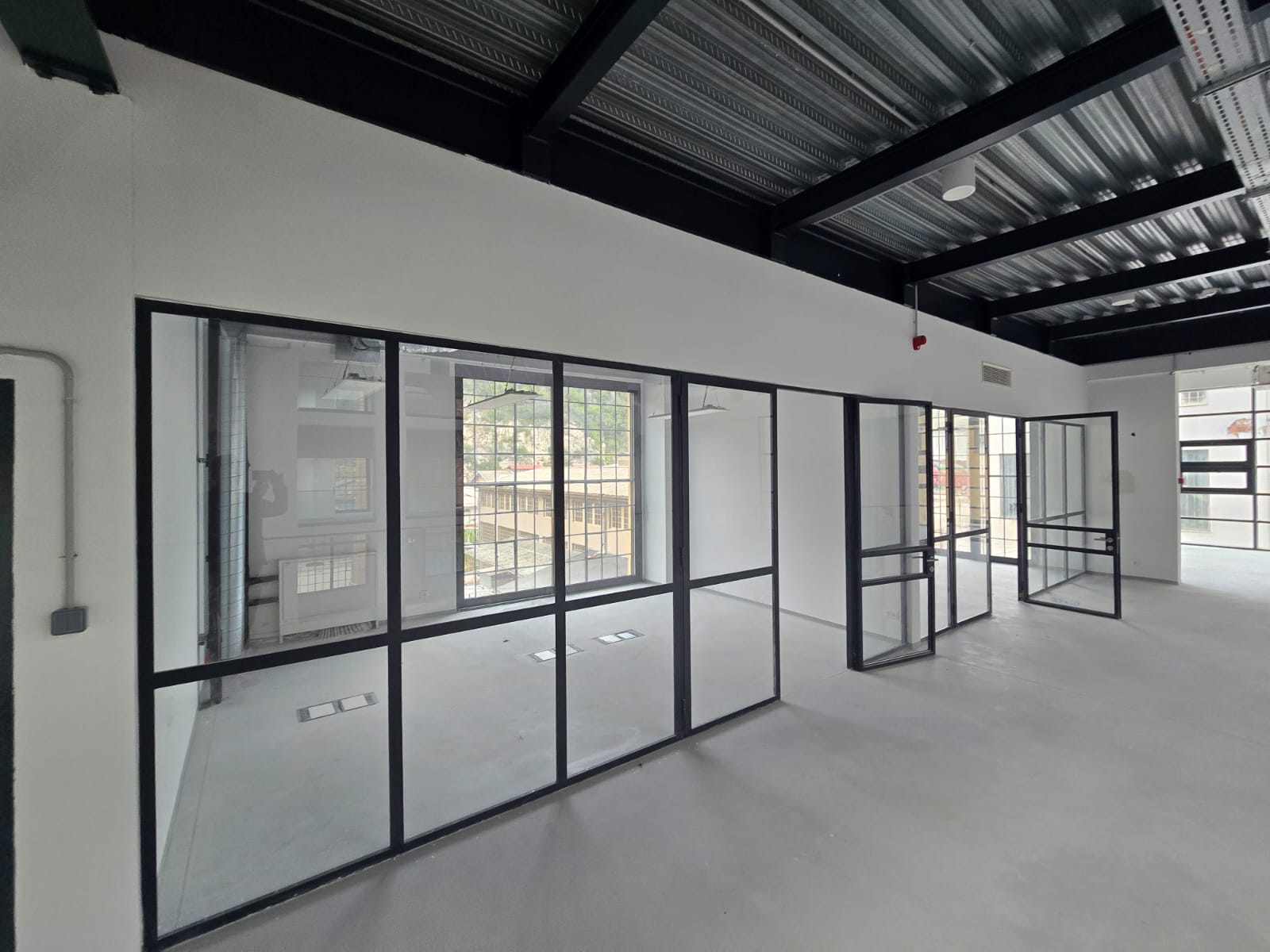
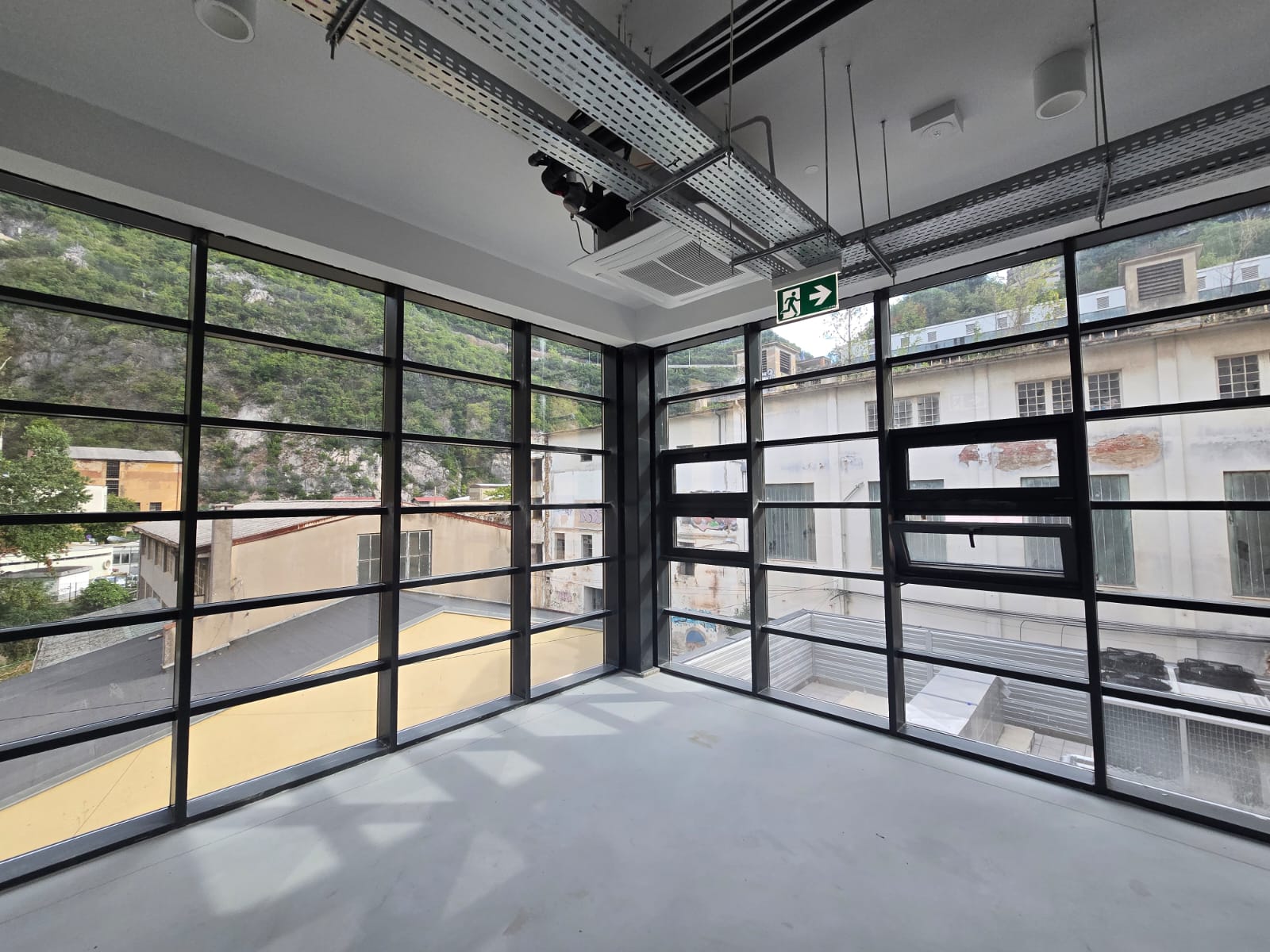
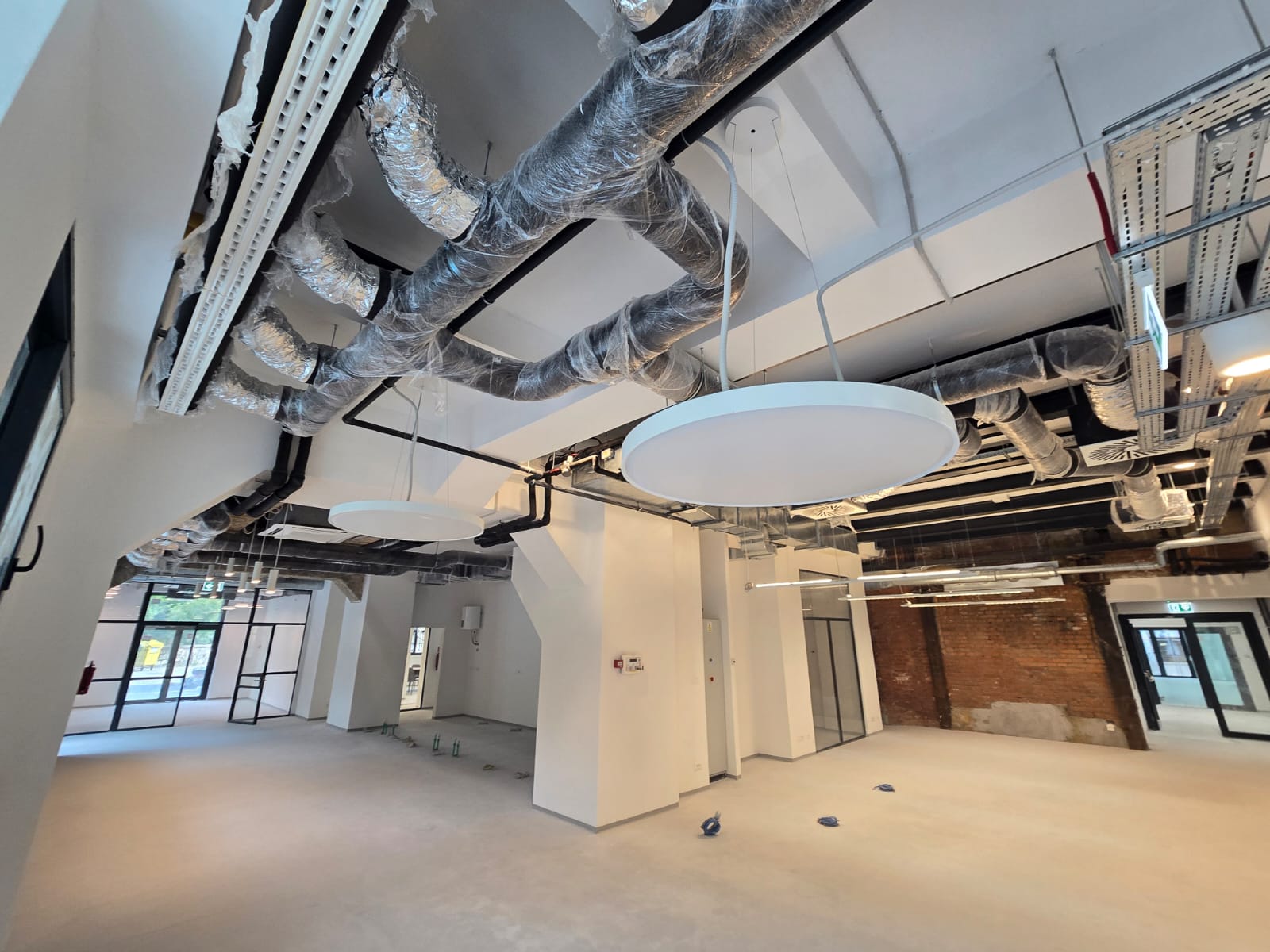
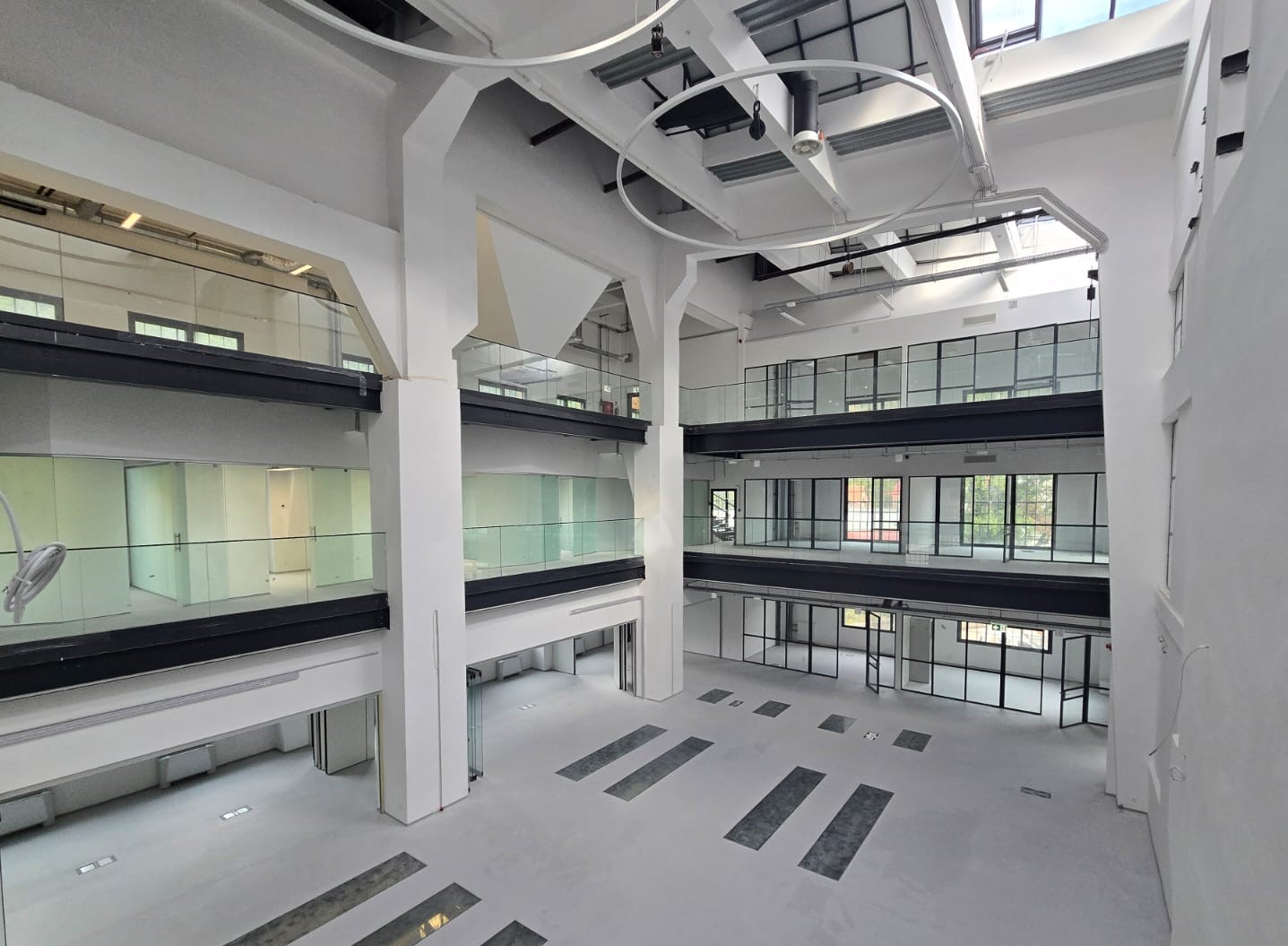
Construction, equipping and putting into operation of the Sinergan Incubator is carried out through the EU project ‘Creative Technologies and IT Industry Incubator – Energana’, and includes the reconstruction and conversion of the power plant (electrical power plant) building of the former Rijeka Paper Factory into an Incubator for Creative Technologies and IT Industry and the establishment of software and other activities necessary for putting the incubator into operational work. The reconstruction of the former energy plant building includes the arrangement of over 2,700 m² usable area on five floors. In addition to office space, i.e. 24 incubation units for entrepreneurs, the space of Sinergane includes specialized classrooms and workspaces, multifunctional classrooms and meeting rooms, data center, chat rooms, a large multifunctional hall, coworking space and other functional and logistical facilities necessary for efficient work and a pleasant stay of users in the incubator.

The works are coming to an end, and the visit to the building was attended by Mayor Marko Filipović, Head of the Administrative Department for Economy, Development, Ecology and European Projects Jana Sertić, Head of the Administrative Department for Urbanism, Spatial Planning and Construction Ljiljana Buljan, Head of the Administrative Department for City Property Denis Šulina and Head of the Administrative Department for Finance Ante Mađerić, as well as representatives of contractors and expert supervision.
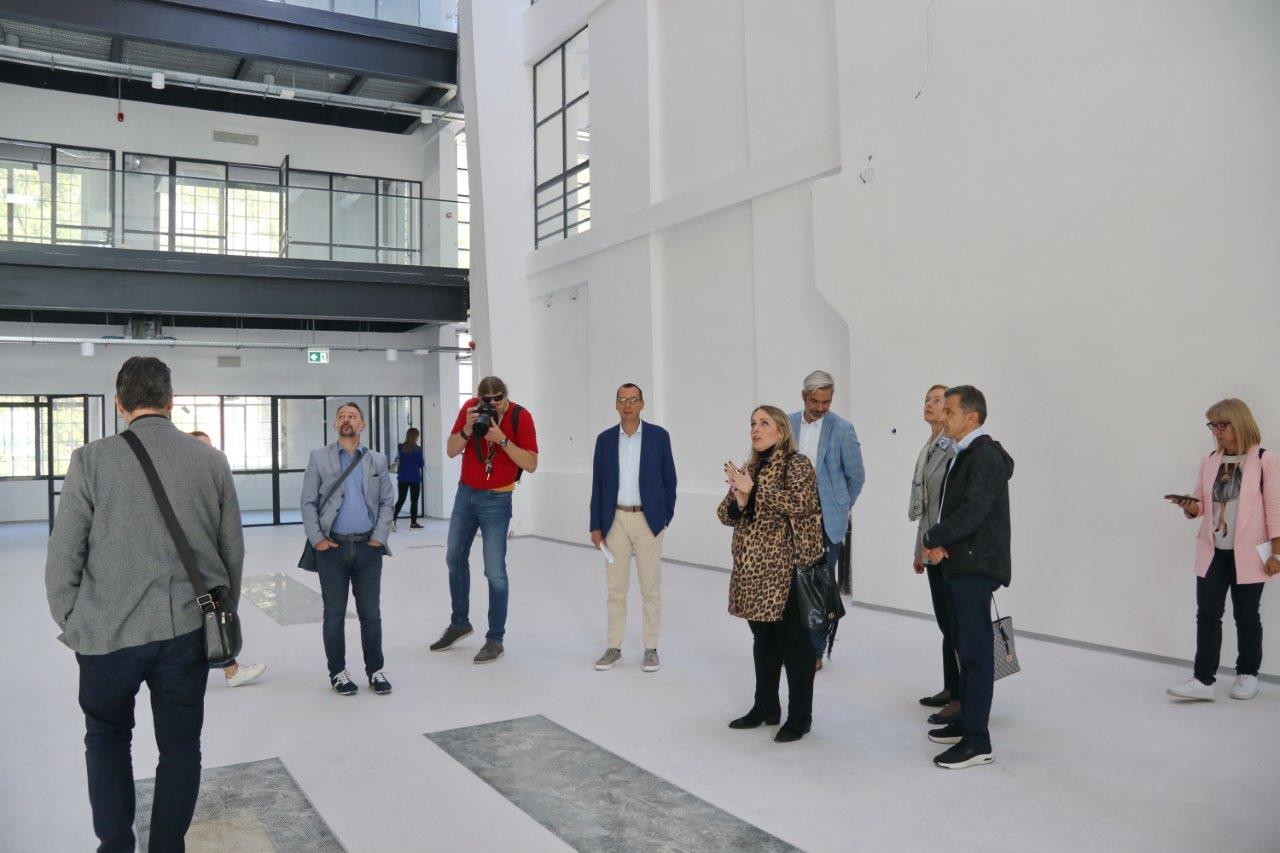
“Some other necessary equipment is being procured, but I expect this space to start operating by the beginning of next year at the latest, when the first entrepreneurs should enter. I hope that this space will bring a new life to this part of the city, because it will be filled with young and creative people who will create a new Rijeka here and reflect on its future. I have no doubt that the interest in working in this space will be great and I wish all those who will work and create here a lot of happiness and success, and I am sure that a lot of valuable ideas will come from them", said Mayor Filipović.

Mayor Filipović also pointed out that the space of Sinergana will be managed by the Rijeka Development Agency Porin. He thanked the contractors, designers and all others who were involved in the realization of the project.
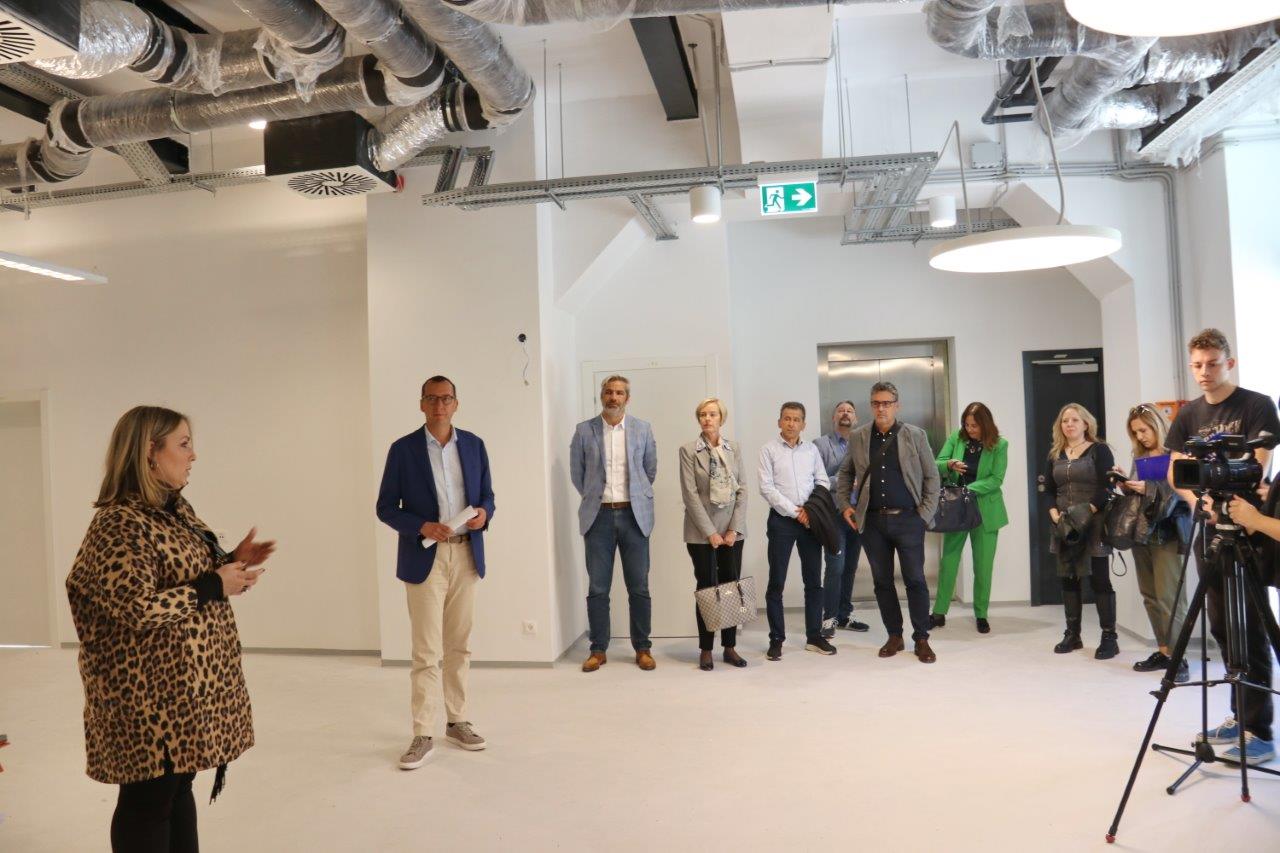
Chief Jana Sertić explained why the name Sinergan was chosen. "The name came into being in the context of merging something that was before and something that is coming, i.e. the new Rijeka industry, which is no longer based on the industry we used to have, but on the new, modern IT industry and creative industries, especially the photo and video industry. As the mayor also said, we hope that the renovation of this building and the start of the Incubator's work will encourage the revitalisation of this part of the city", said Sertić, adding that a project for the decoration of all public areas surrounding Sinergan and one work by Ružićeva and Vodovodska ulica is also in the process.


The works on the reconstruction and conversion of the Energana building were completed on 30 June 2024. The technical inspection in the process of issuing the in-service permit was held on 12 September 2024, and the issued in-service permit became final on 24 October 2024.

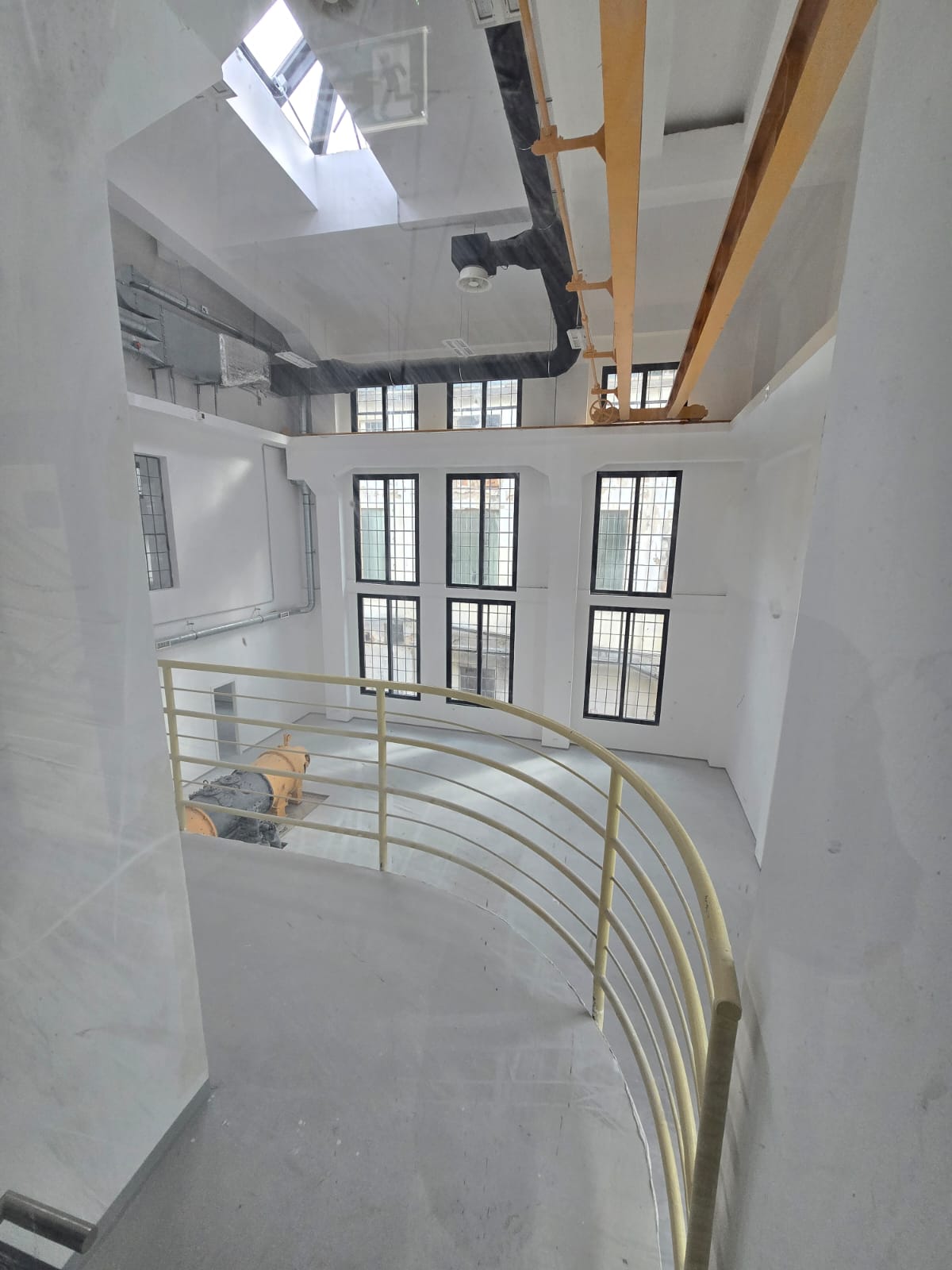
The reconstruction included the entire building where two new floors of the gallery type were built on a structure made of steel profiles and reinforced concrete slabs. On the eastern facade, the low part of the building and the old substation were removed, the new basic structure was adapted and the new part of the building was upgraded. The building has restored the existing external steel windows behind which a new energy-efficient joinery was built and an insulated facade and a large canopy above the entrance to the western facade along Rječina. The reconstruction of the building resulted in a total of five floors, i.e. ground floor and four floors, a total of 2,767.25 mnet surfaces. Within the building, the construction of a new substation was also carried out, which will supply electricity to the building of the entrepreneurial incubator itself, as well as to consumers in the environment.
[EUROPE DIRECT Rijeka] We hosted the Head of the European Commission Representation in Croatia with associates

On Friday, 18 October 2024, Rijeka was visited by the head of the European Commission Representations in Croatia Zrinka Ujević with collaborators Andrea Covic Vidovic, Deputy Head and Head of Press Unit and Dijana Kuzman Štaudinger, Partnerships and Networks Coordinator and Communication and Information Officer. The meeting took place in the salon of the City of Rijeka where they were received by the Mayor of Rijeka Marko Filipović the Director of Nenad Antolović as a representative of the Rijeka Development Agency Porin and the Centre EUROPE DIRECT Rijeka.

We talked about the work of our EUROPE DIRECT Rijeka center and about the two-day action of cleaning the seabed and beaches The sea merges – #EUBeachCleanup Rijeka 2024. The aim of the action is to point out the impact of everyday human habits on the marine ecosystem and raise awareness of the importance of preserving the seas and oceans. Rijeka to this global campaign #EUBeachCleanup joined precisely at the initiative of our center and Mayor Marko Filipović, a member of the network Building Europe with Local Stakeholders. The action, along with the City of Rijeka, is carried out in cooperation with KD Puritythe Association of Special Police of the Homeland War ‘Ajkula’, and with the support of the European Commission Representation in Croatia. The action is additionally supported by Viktor Lenac Shipyard, Adriatic Maritime Service, Eco Kvarner, KD Autotrolej and the Coast of our grandchildren association.

Source of photography: European Commission

The event is two days long and will take place on Saturday. 19 October starting at 9.30 a.m. on the beach Cramp where the seabed in front of the beach will be cleaned, with the participation of members of the Association of Special Police from the Homeland War ‘Ajkula’, as well as divers from Rijeka, Zagreb, Crikvenica, Kraljevica, Bakar, Duga Resa, Slovenia and Austria. Representatives of the Special and Intervention Police Unit of the Anti-Terrorism Unit Lučko and Rijeka and the Special Police Unit ‘Alfa’, as well as representatives of the voluntary fire brigades Drenova, Čavle and Mali Lošinj, also confirmed their arrival.

The second part of this action was supposed to take place today, but due to the bad weather Transferred to Friday 25th October. Students responded to the cleaning of the beaches on the move from Sablić to Grčevo Waldorf Primary and Secondary Schools and Primary School Pećine, more than a hundred of them, and it will be opened by Mayor Filipović.

Furthermore, during the meeting, Mayor Filipović emphasized that Rijeka, in terms of the amount of funds withdrawn from EU funds, is continuously at the top of Croatia and that with the help of European money, some of the largest infrastructure projects in the whole country have been implemented. He highlighted the project ‘Improvement of water-communal infrastructure in the area of the Rijeka agglomeration’, the project for the renovation of the heating industry in the city of Rijeka, the construction of the Bodulovo Entrepreneurial Zone, the D403 road, the Sinergane project, which will become a hub for the development of new technologies, startups and creative projects. European funds, he recalled, were also used in the energy renovation of kindergarten buildings. Mayor Filipović pointed out that some other projects are important for the development of Rijeka, such as the construction of a new marina in the city center, the construction of a new bus station, but also the modernization of the port of Rijeka, which is crucial for achieving better competitiveness on the world market.

Visit of the Head of the European Commission Representation in Croatia

The meeting also discussed the benefits that the City of Rijeka has as a member of the BELC network (Building Europe with Local Stakeholders), one of the most important platforms for cooperation between major European cities. This network brings together urban centres with the aim of jointly addressing the challenges of modern cities, such as sustainable development, social inclusion, innovation in urban planning, and improving the quality of life of citizens.

The Head of the European Commission Representation in Croatia, Zrinka Ujević, pointed out her satisfaction that numerous projects in Rijeka were implemented using funds from European funds. She added that the previous cooperation with our EUROPE DIRECT was successful and that they also cooperated a lot with the University of Rijeka, especially the Faculty of Law. She explained that one of the main focus in the work of the Representation will be on working with young people in order to interest them in projects related to the program offered by the EU. She added that one of the European Commission's guidelines is to cooperate as much as possible with local authorities and local organizations and expressed hope that successful cooperation with the City of Rijeka and EUROPE DIRECT Rijeka will continue in the future.

Andrea Čović Vidović, Zrinka Ujević and Dijana Kuzman Štaudinger

The meeting continued at the Rijeka Development Agency Porin with a discussion on the future of the EUROPE DIRECT Rijeka Centre, whose activities you can follow at the Official Website.

[Study visit to Rijeka] Discovery of development initiatives and entrepreneurial ecosystem

As part of a study visit per project Local economic development in BiH (LER BiH), which takes place from 16 to 20 September 2024, Rijeka hosted guests from 11 cities and municipalities in Bosnia and Herzegovina. Representatives of local communities, development agencies, business associations, non-governmental organizations and private companies operating in selected cities and municipalities visited the Rijeka Development Agency Porin and Torpedo Production Park. Topic of the visit, “Public-private dialogue and networking to more competitive local economies“, the importance of cooperation and innovation in fostering local economic development was highlighted, and the City of Rijeka and the Rijeka Development Agency Porin presented to the guests Rijeka’s engagement in promoting entrepreneurship, as well as some EU projects as examples of good practice.

LER I would is the first four-year phase of the program financed by the Government of Switzerland, implemented by the consortium Caritas Switzerland and Niras, and aims to strengthen local economic development in Bosnia and Herzegovina.

Visit to the Rijeka Development Agency PORIN

Iva Ribarić, Senior Adviser – Economic and Promotion Coordinator from the Administrative Department for Economy, Development, Ecology and European Projects presented to the guests a general programme of measures to encourage the development of entrepreneurship in the territory of the city of Rijeka, which aims to create a favourable entrepreneurial environment to encourage small and medium-sized businesses at the local level. The remaining efforts of the City of Rijeka in strengthening the entrepreneurial ecosystem were also presented, including support to startups through the Startup Incubator of the City of Rijeka, innovative projects and cooperation with local entrepreneurs.

Nenad Antolović on behalf of the Rijeka Development Agency Porin presented the activities of this local entrepreneurial support institution that implements incubator programs in the sectors of service and production activities. Announcement of the upcoming opening Sinergane, a new incubator for creative industries and IT, which will house over 2,700 m² of usable space of the energy plant of the former paper factory, which will be available to entrepreneurs from 2025 along with educational programs, a network of mentors and other program activities in order to strengthen their innovation potential.

Optional tour of Rijeka

After the official part of the visit, the participants enjoyed an optional tour of the city of Rijeka. This tour enabled guests to get acquainted with the cultural and historical significance of the city and to see how Rijeka as a host contributes to the development and success of local initiatives.

The study visit to Rijeka provided valuable insights into effective strategies and practices that can serve as an inspiration for the further development of local economies in Bosnia and Herzegovina, and guests will return to Rijeka again on Thursday, September 19, when a tour of the revitalized cultural neighbourhood of Benčić will be organized for them, namely the Children's House and the Rijeka City Library, as part of the largest investment in cultural infrastructure in the history of Croatia.