Charles' story begins where most good ideas are created, on the ground, with a real problem for which there is not yet a solution.
If you ask Karl how it all started, he won't reach for spectacular answers. He'll just say he's the kid from the garage.
He was always interested in how things worked. Disassemble, repair, reassemble, but in a smarter way. It was his most natural way of learning. So it's no surprise that this is where an unexpected business story came from.
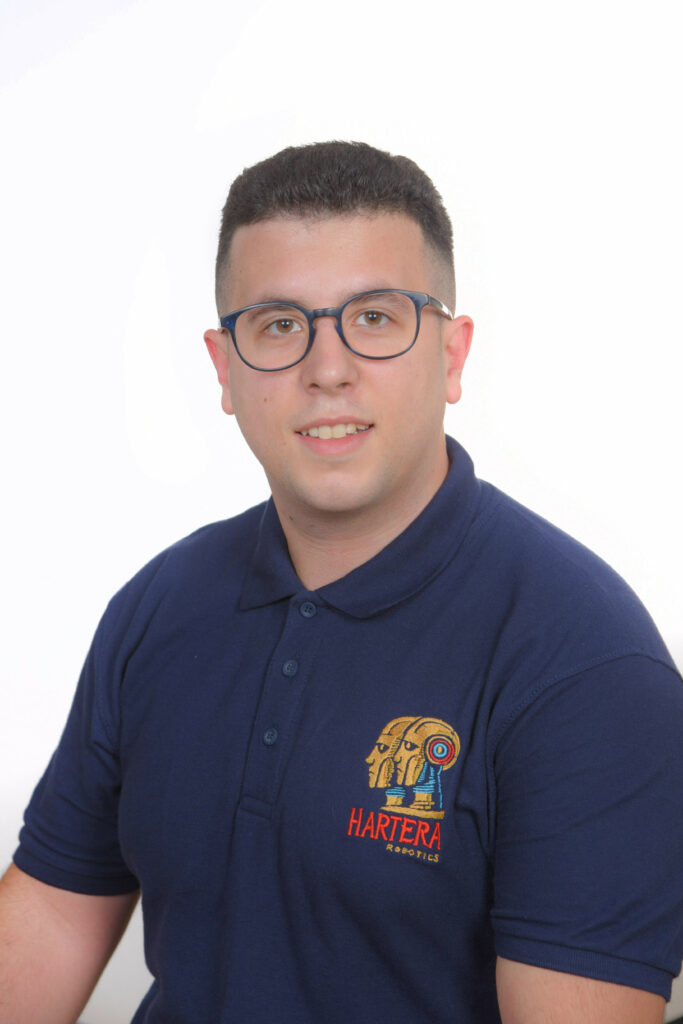
Karlo automated one of the most demanding jobs in nautical engineering. He developed a mobile robot with his team. Carpathia that automatically polishes vessel hulls in dry marinas.
The goal is simple, Facilitate heavy and physically strenuous polishing work, address chronic labour shortages in nautics i enable the job to be faster, more precise and reproducible.
In practice, this means that instead of people working for hours in dust and demanding conditions, most of this work is taken over by the robot. In doing so, masters can do what brings greater value – quality control, customer communication and work organisation.
From idea to prototype
It all started with a conversation in the workshop. A friend who works in a dry marina complained to him that polishing and maintenance of ship hulls demanding work. Physically strenuous, long-lasting and increasingly difficult to sustain as the workforce is shrinking.
If there is a robot vacuum cleaner and a robot lawnmower, why wouldn't there be a robot for preparing ship hulls?
It was a question that came quite naturally when you've been dealing with robotics and autonomous systems for years.
And that's how it started. The first step was modest. Paper sketches and 3D models and a small prototype that looked more like Frankenstein It's about the product, talking through laughter.
But it worked well enough to take him to the first key feedback:
If you bring this to the end, you will have as much work as you want.
There was a click there. Karlo decided to start his own business, assemble a team and seriously deal with the development of the product. He points out that motivation was a combination of the desire to do something tangible that solves a specific problem and the need to start in Croatia high-tech The story of the sea as part of its identity.
Challenges?
Charlemagne doesn't make the beginning any better.
Everybody. Technically, financially, organisationally. Everything you can imagine.
Space and equipment
For a robot of these dimensions, it was not enough just a laptop, it needed a workshop, a place for grinding, welding, folding. At first, everything was “on loan” a little garage, a little friend’s workshop.
Finance
Hardware development is expensive. It is necessary to buy engines, electronics, construction, compressors… And each test means the risk that something can be destroyed and that it should start over.
Knowledge and experience in manufacturing
The technical part (electronics, programming, sensors) is close to it, but production, logistics, certificates, sales is a completely different story.
Contacts in industry
Although he knows individuals, he did not have a wide network in the world of marinas, shipyards and equipment suppliers. Everything was built slowly, conversation by conversation.
Psychological part
When something is done that no one has done before, the question arises: “Am I crazy or do I see something that others don’t yet see?”
But through every problem he learned something new. Little by little, the prototype became more stable, smarter and closer to the market version.
Moment of confirmation
One of the moments in his memory happened at the marina.
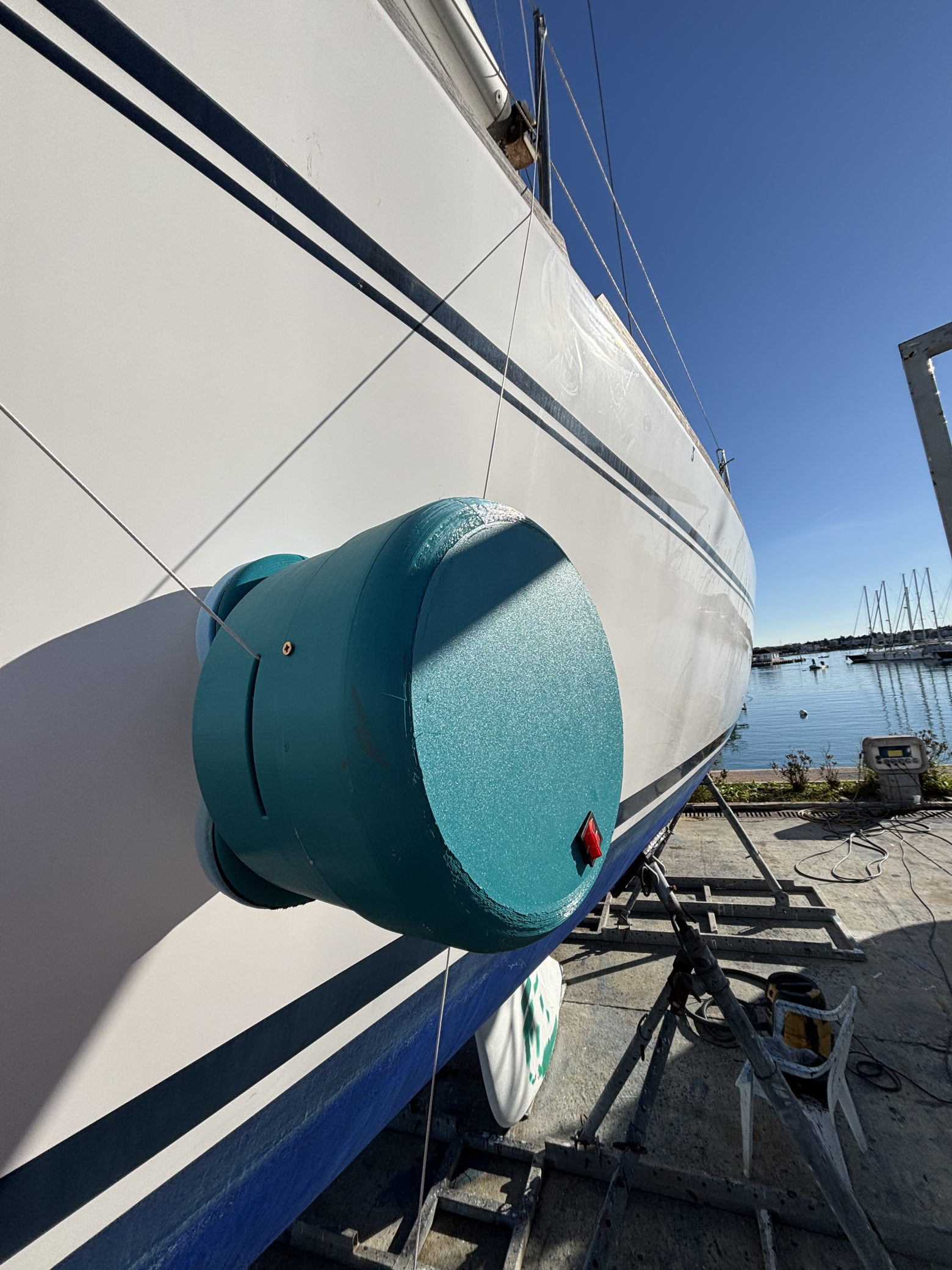
We let the robot work. Nothing special, just a test. And suddenly a group of people gathered around us to look at it. Then I realized there was a real interest.
It wasn't a big scene, but it was a clear confirmation that it was moving in the right direction.
Incubator support
Entering into Torpedo Business Incubator He brought a lot more than the office. It was the moment when the idea from the garage began to turn into a project with a clear direction and structure.
Space and infrastructure
Having your own desk, office and a place where you can receive a partner or investor sounds banal, but it makes a huge difference. Suddenly you're not just a character with a good prototype, It's someone who works from a serious environment. It changes how others see you, but also how you see your own business. The ability to test, meet and work in peace gave him a stable base for everything that followed.
Advice and mentoring
At the consultation, he went through the topics that the novice entrepreneur needs the most.
This helped me translate my idea into a language that banks, funds and partners understand.
Network of people
Karlo points out that this is the most valuable part. In the incubator he met other entrepreneurs, mentors and experts in sales, marketing, rights and product development.
Sometimes it's enough for someone to open the door and say, “This is a team that does something interesting, listen to them.” This kind of recommendation and support cannot be bought, and it is she who has accelerated the first steps of Harter Robotics.
TECH LAB
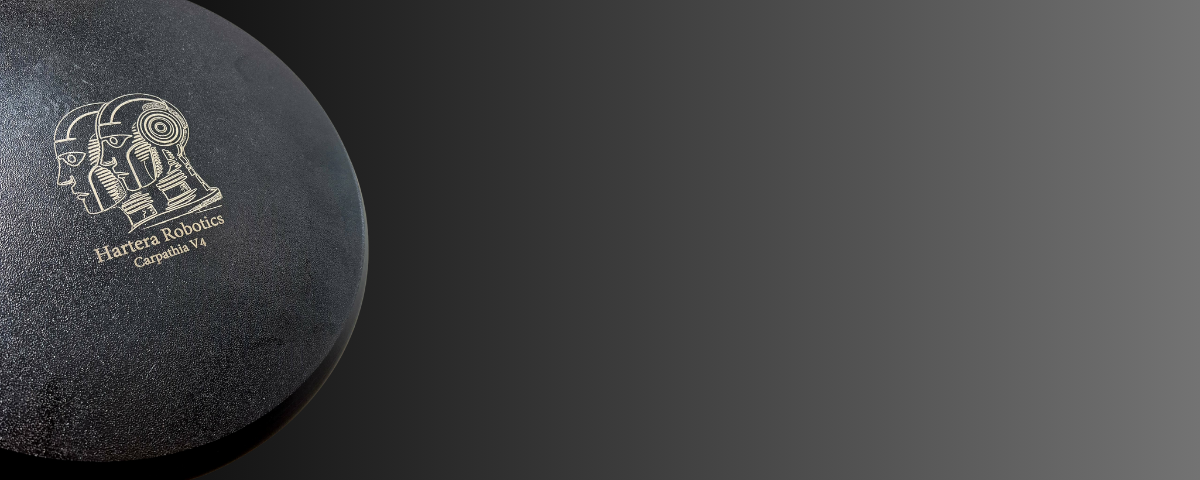
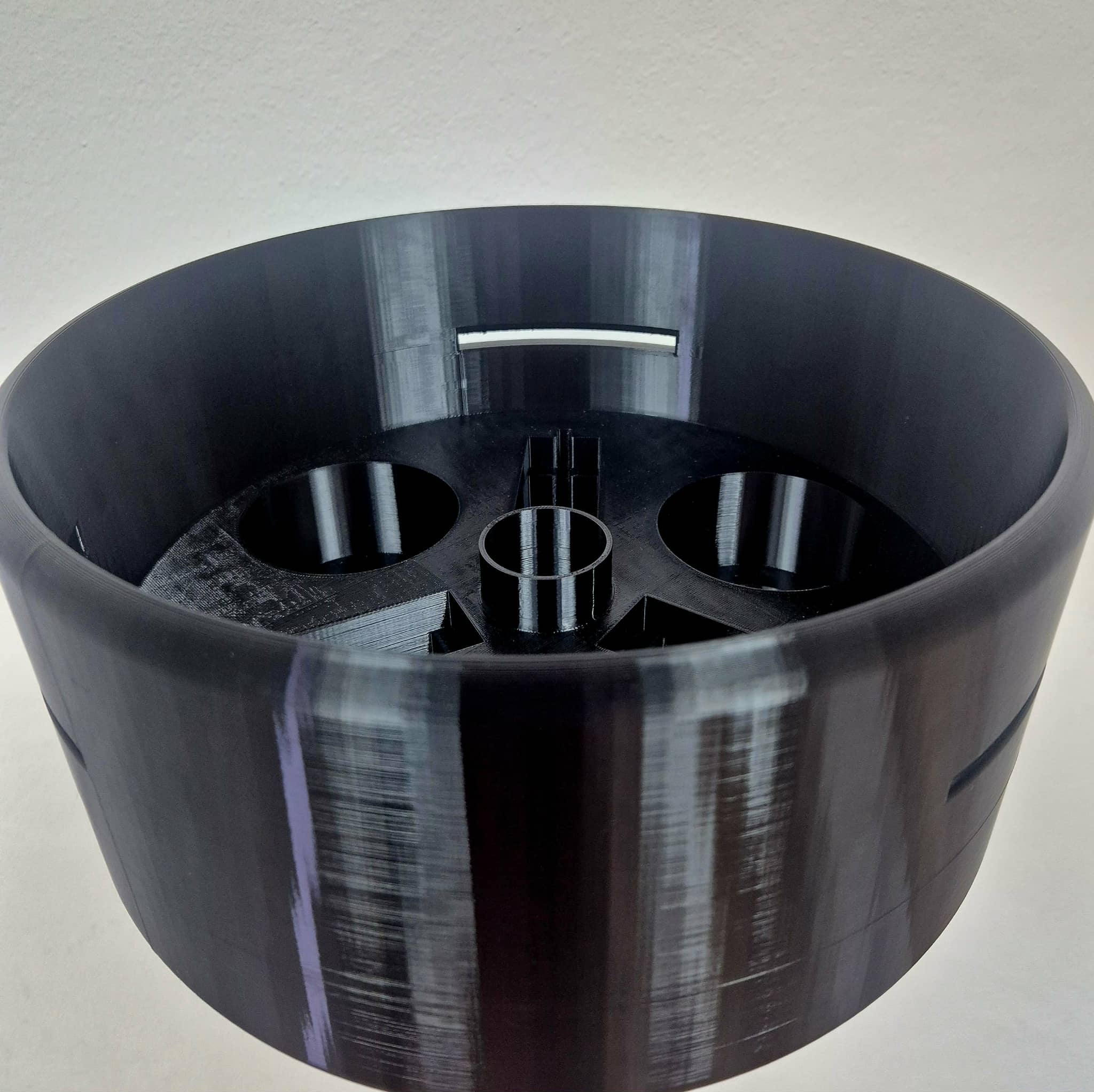
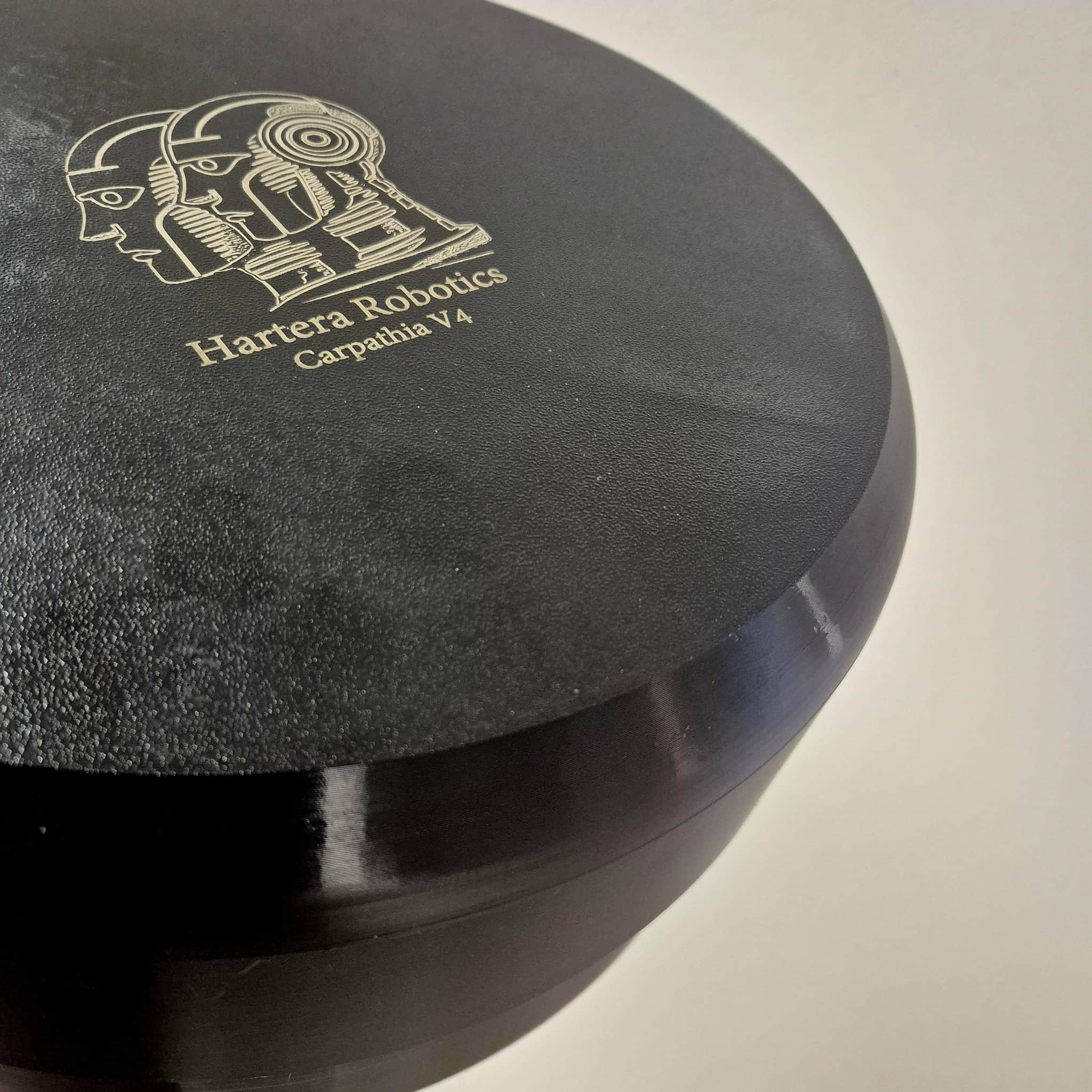
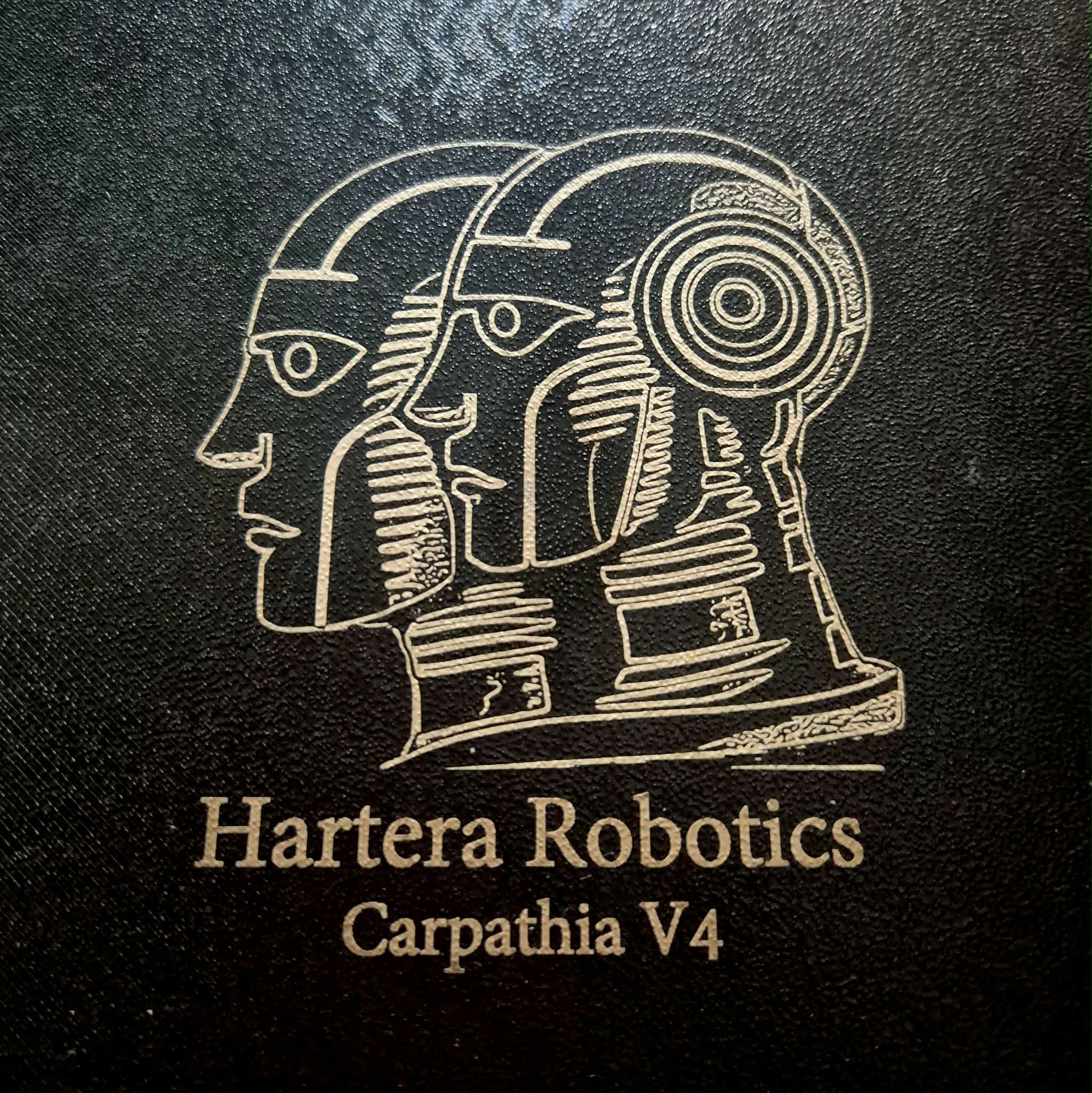
Working with ours was particularly important. TECH LAB. Last version of the robot housing Carpathia It was printed in our 3D lab.
What's next?
Today it is Hartera Robotics Much more than an idea on paper. The team has functional versions of the robot Carpathia, tested in real conditions in dry marinas, where the robot did concrete polishing work on the hulls of the vessel. The reactions of the owners and marinas were extremely positive, which confirmed that they are solving a real and important problem.
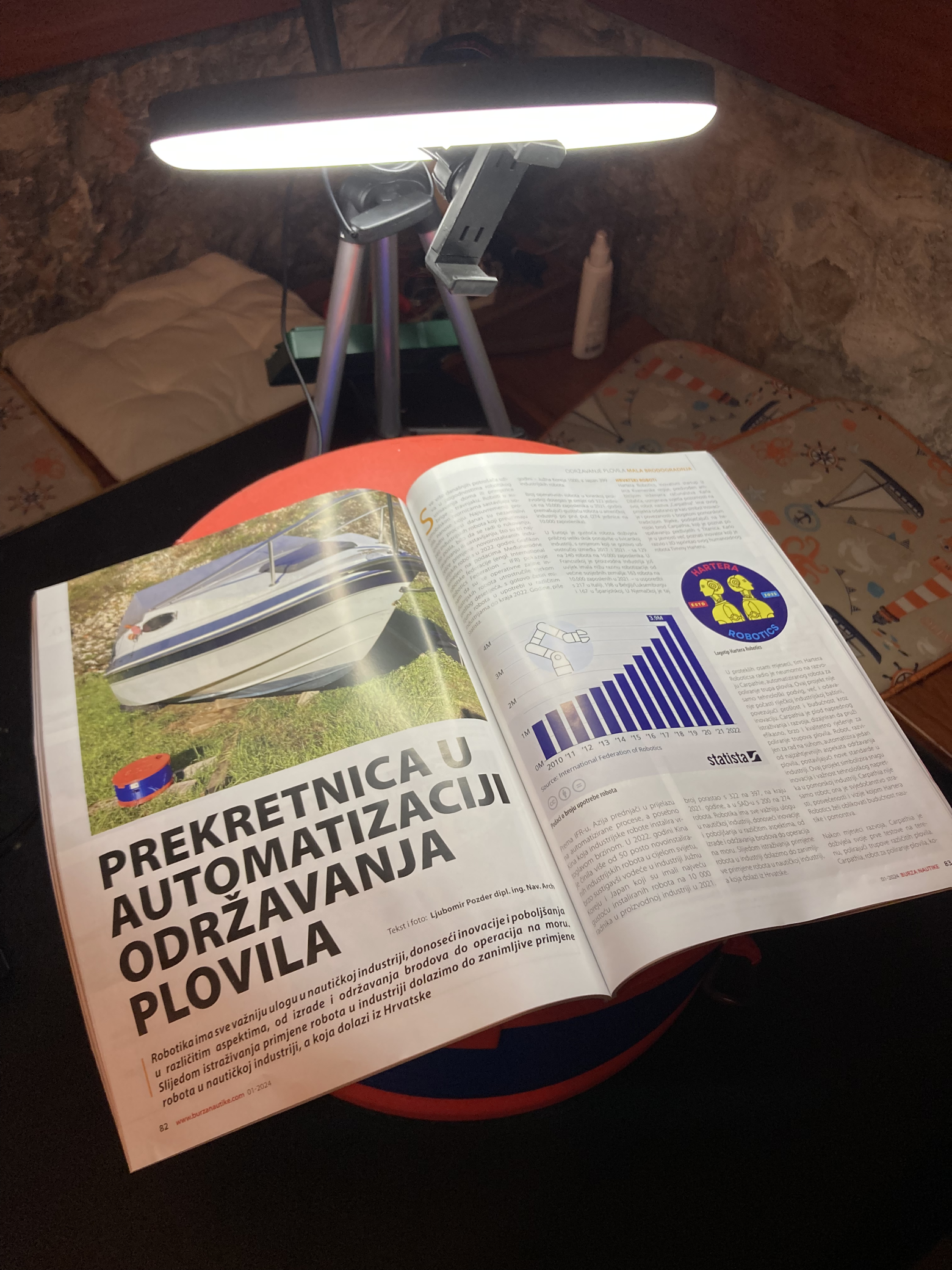
Both domestic and foreign portals wrote about the project, from nautical magazines to technology media. They also participated in several start-up events and innovation competitions, where they were listed among the most interesting new technologies, which brought them additional visibility and self-confidence.
In parallel, they are working on further development: improve automation, more precise hull tracking, safety systems and preparation for future serial production.
Currently, they focus on two key things:
- arranging pilot cooperation with marinas who want to be the first to introduce this type of robotization and
- preparing the ground for scaling production and going to the wider market.
And the moment that still remains dearest to Karl is very simple and very human, the moment when the robot starts working, and a group of people spontaneously gather around him in a few minutes.
When someone who's been working for 20 years manually says, ‘Okay, this is really the future’, you know you've hit a real problem.
Karl's Message to Future Entrepreneurs
When asked what he would say to those who are just starting out, Karlo says that he has learned most of the lessons “in the hard way”. The most important thing is that you don't have to wait for the perfect moment.
Get going before you're ready. The first version may be ugly and full of mistakes, but without it there is no second, better.
It also emphasizes how important it is to talk to people who have a real problem that you are trying to solve, not just with your own ideas. In his case, he was mostly helped by those who work in the marinas every day.
The second thing he regularly emphasizes is the importance of the environment.
You don't have to be an expert on everything. It's enough to know who to ask and that your ego doesn't mind asking for help
Every business trip has bandages. Some ideas need to be fired, some need to be adapted, and some need to be completely changed. It's a normal part of the process. And through all this, he says, one must not forget about oneself because entrepreneurship is not a sprint, but a marathon.
In the end, he adds a thought that perhaps best describes how Hartera Robotics came into being:
If there is a problem that bothers you for a long time and everyone takes it for granted, there is a great chance that there lies a good entrepreneurial story.
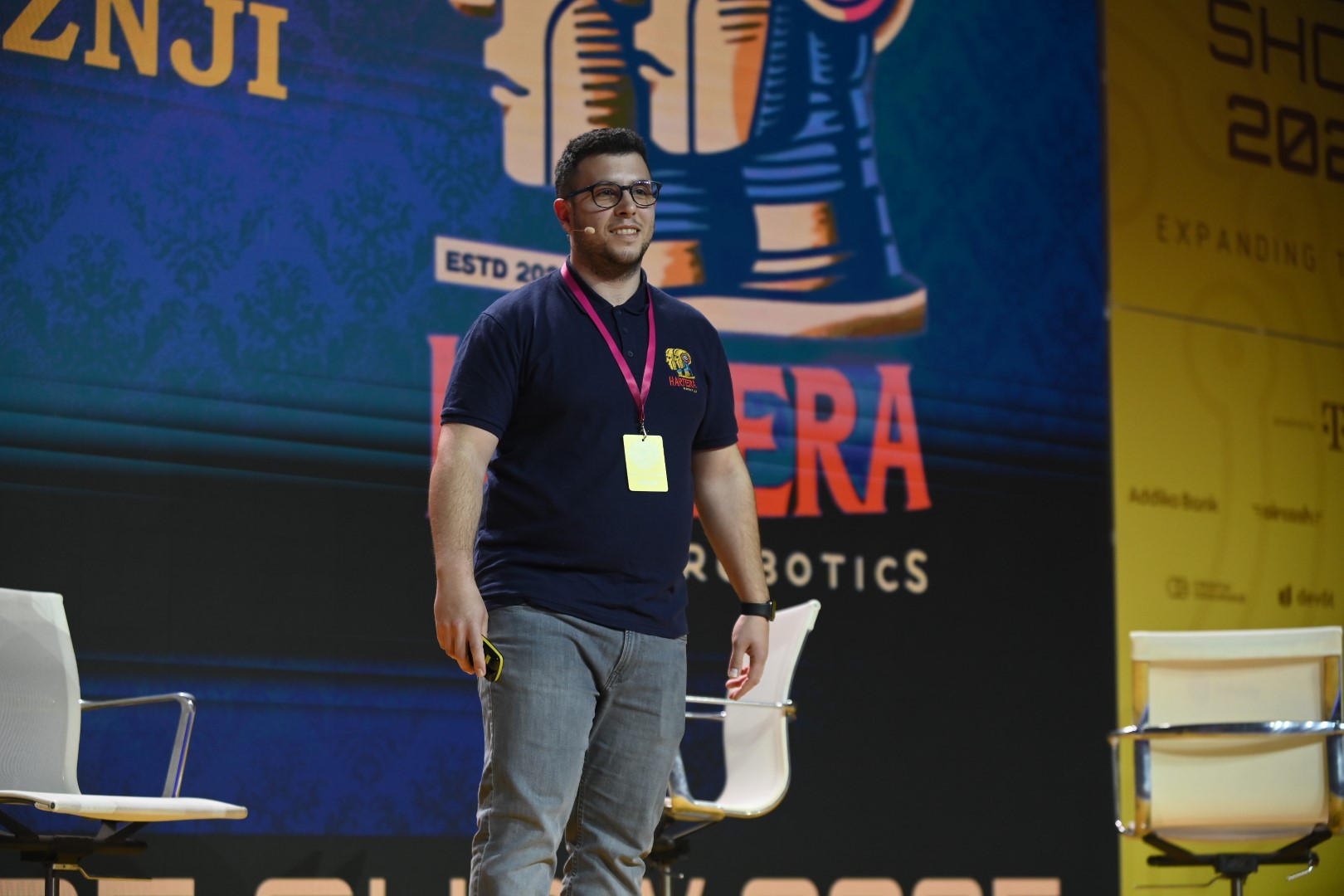
Charles' story does not come from theory, but from dry marinas, conversations with masters and constant testing until the solution gets better.
Hartera Robotics is no longer a hobby or sketch, but a real product that solves a real problem. The road to this was full of attempts, mistakes and ascents, but also confirmation that the market needs such technology. And that's the essence of this story. Sometimes it's enough to notice the problem, take the first step and be persistent long enough to turn it into a solution that really benefits people.
Do you want to build your story with the support of an incubator?
Contact us and find out how we can help you.