What were we doing?
Diesel engine adaptation for speedboat
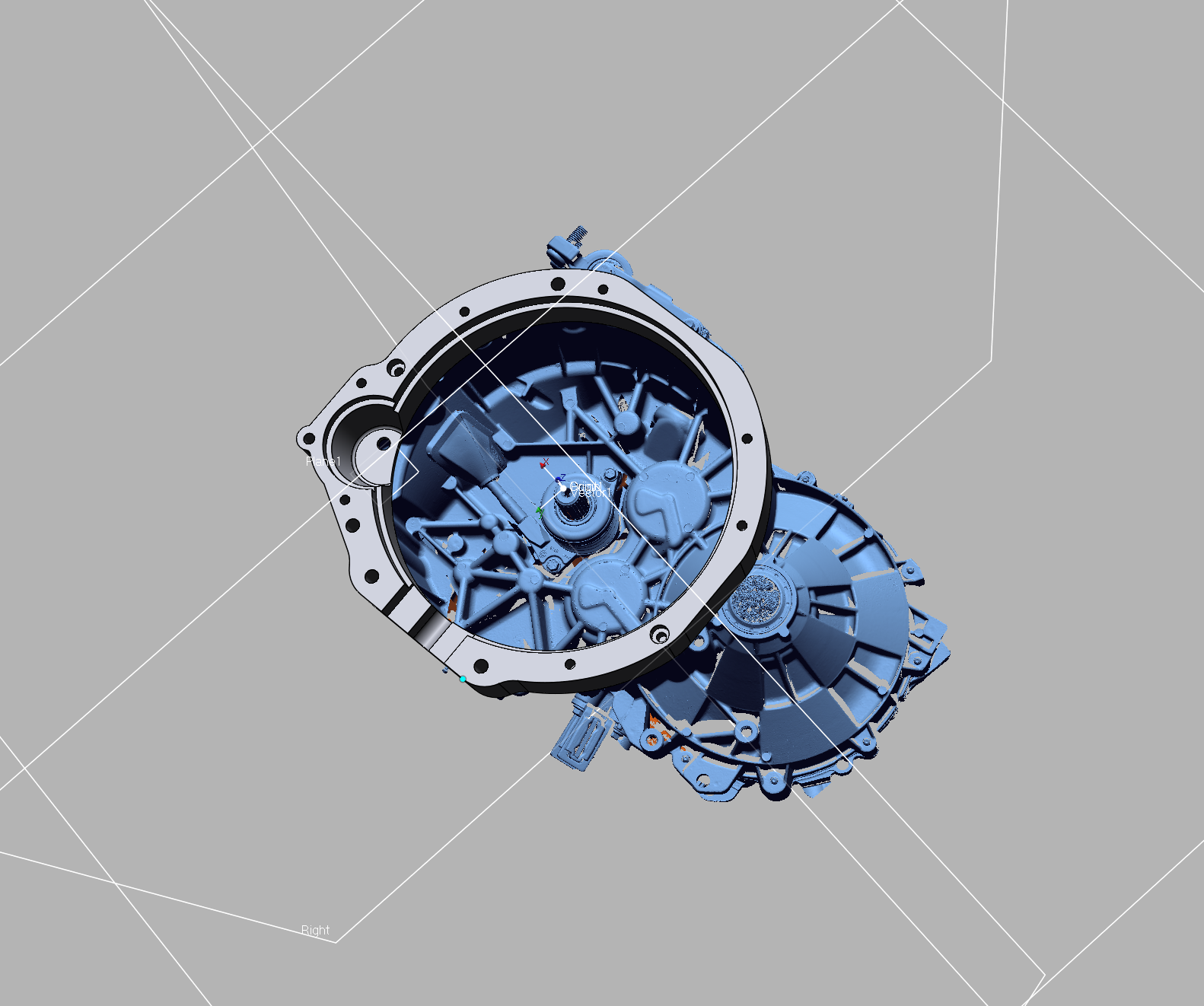
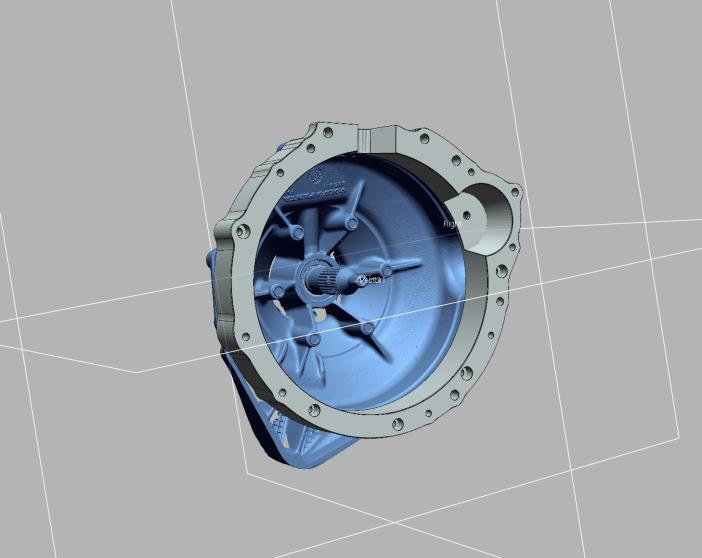
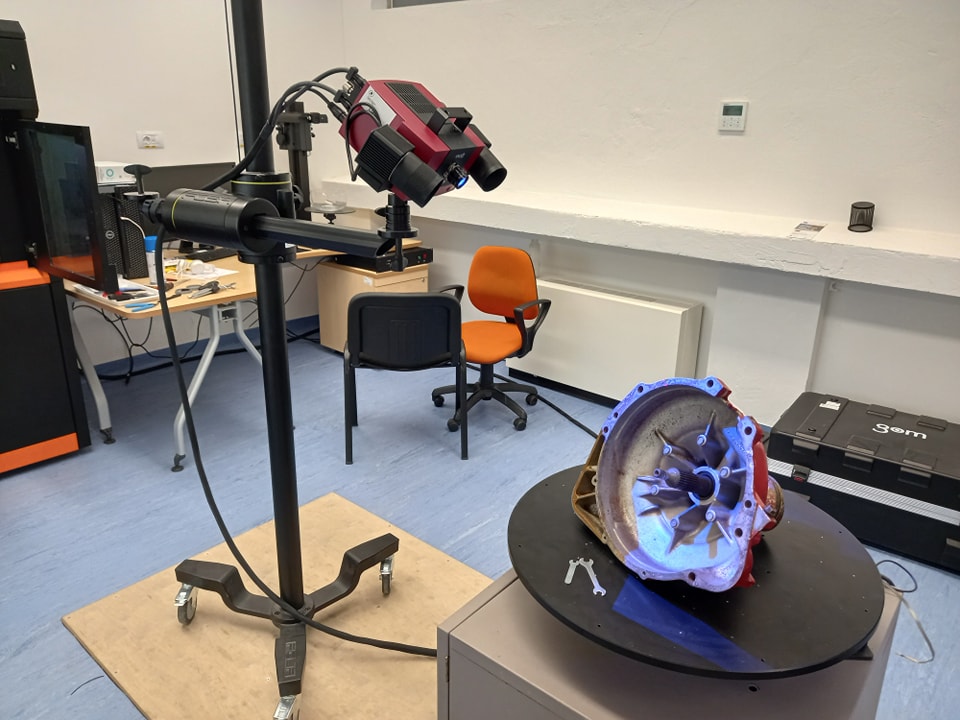
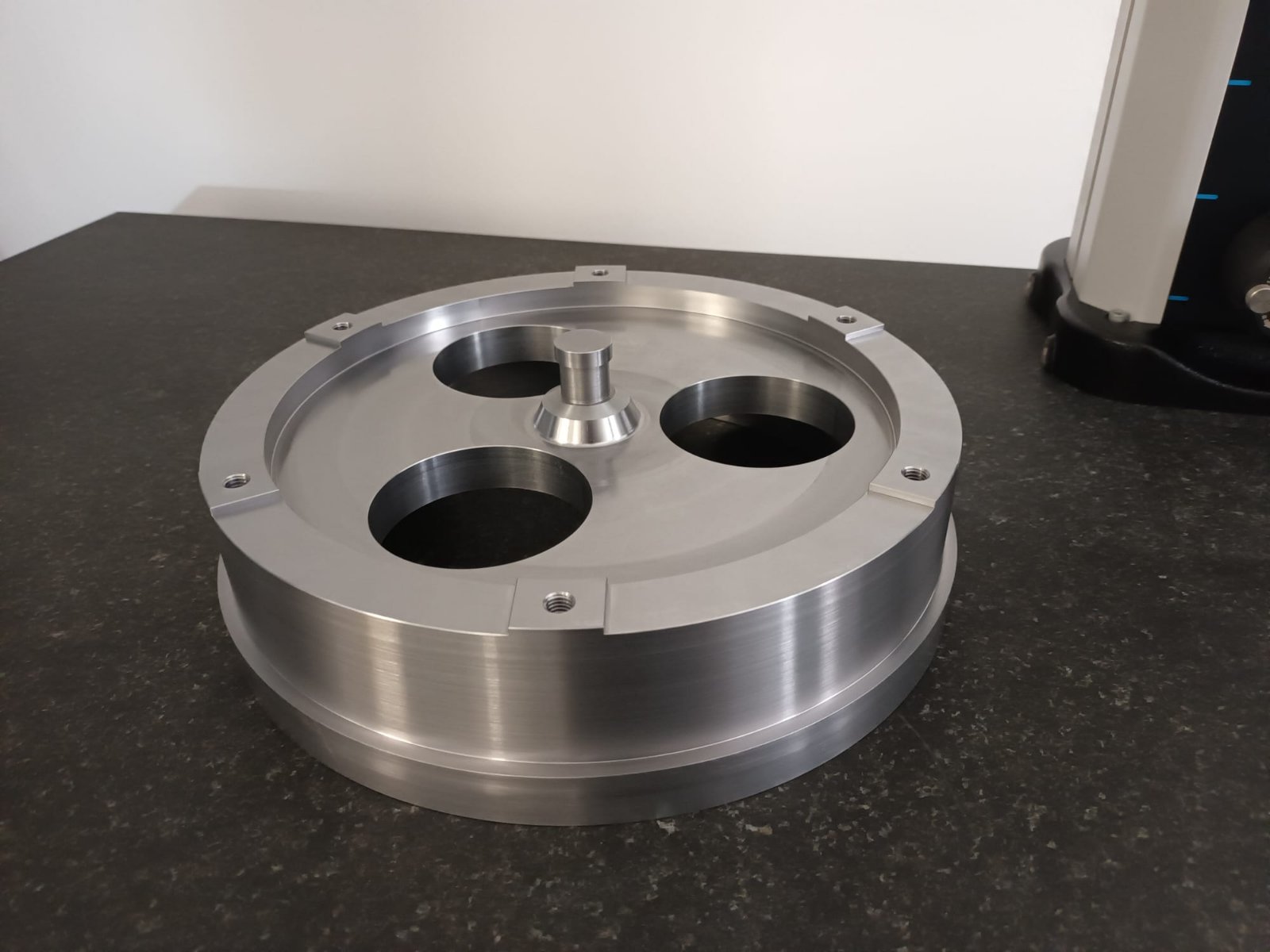
The client wanted to adapt the car engine to power the boat, which required the removal of the old flywheel and hydrodynamic clutch and the creation of a new flywheel to replace them.
Our 3D technology lab scanned the existing components, merged them into a new common 3D model and created an adaptive ring model that serves as an intermediate panel for connecting new engine parts. The flywheel was made by the company HTB CNC, a member of our incubator Production Park Torpedo, which shows close cooperation with its tenants.
This project is a great example of the application of 3D scanning and reverse engineering in creating customized solutions.
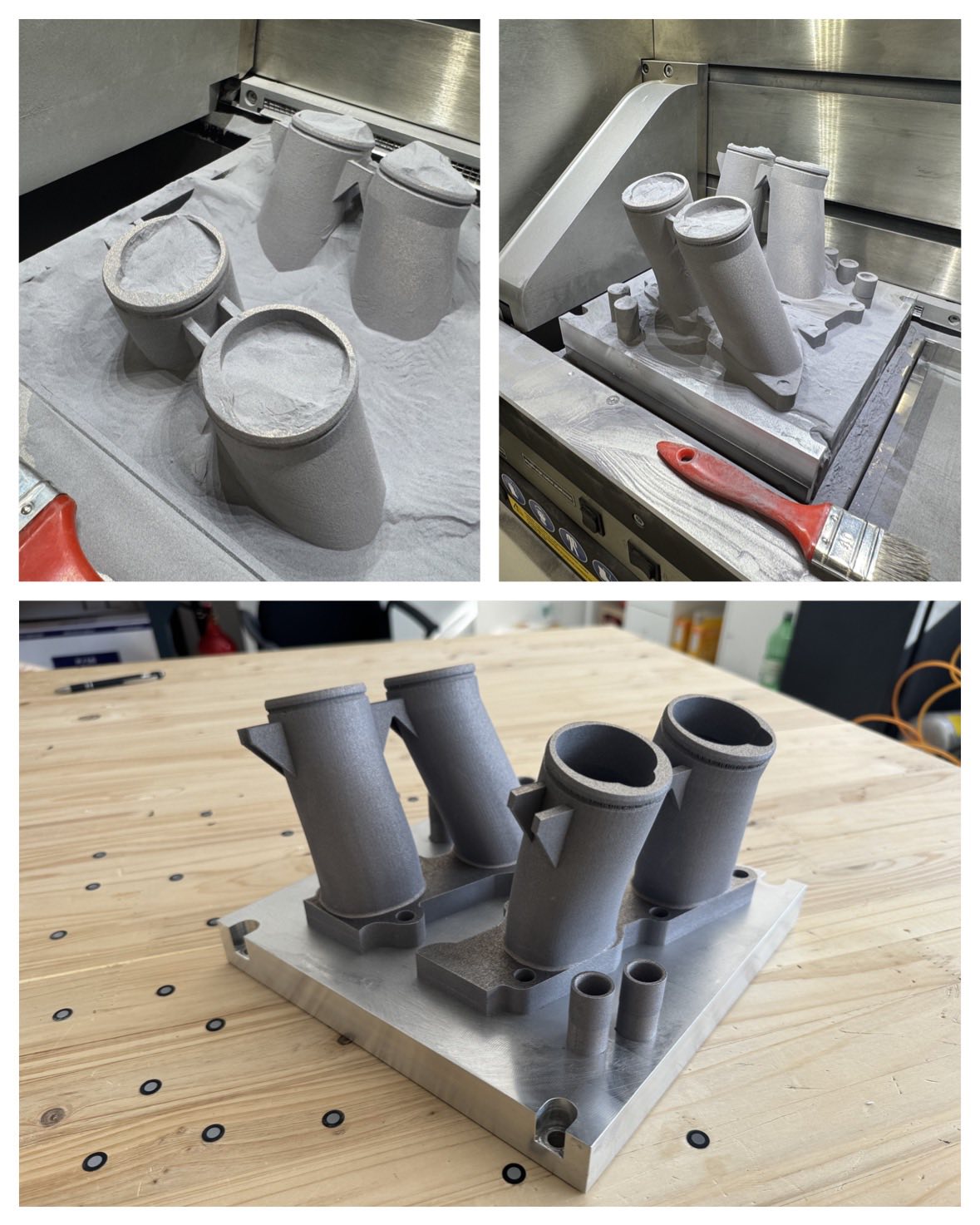
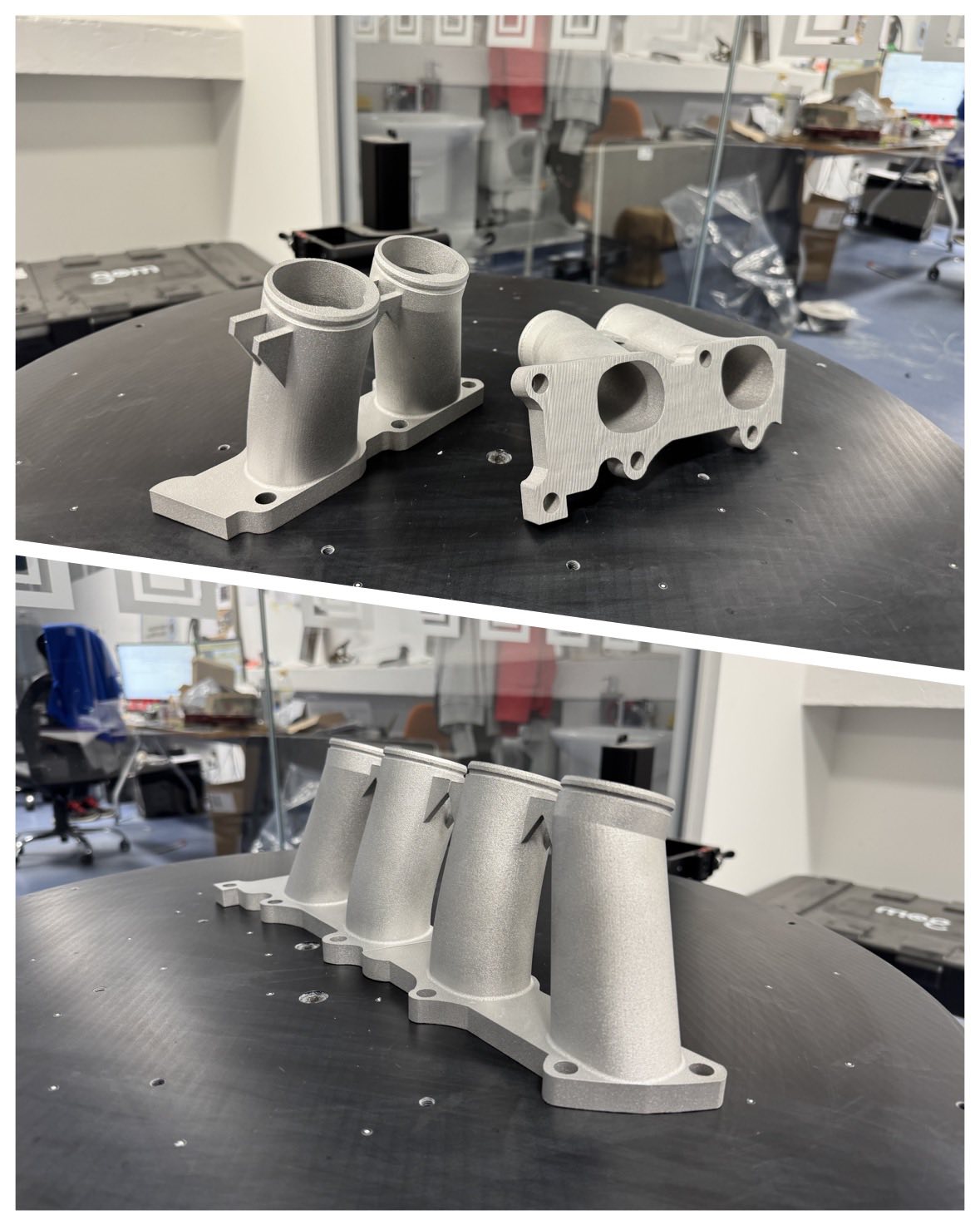
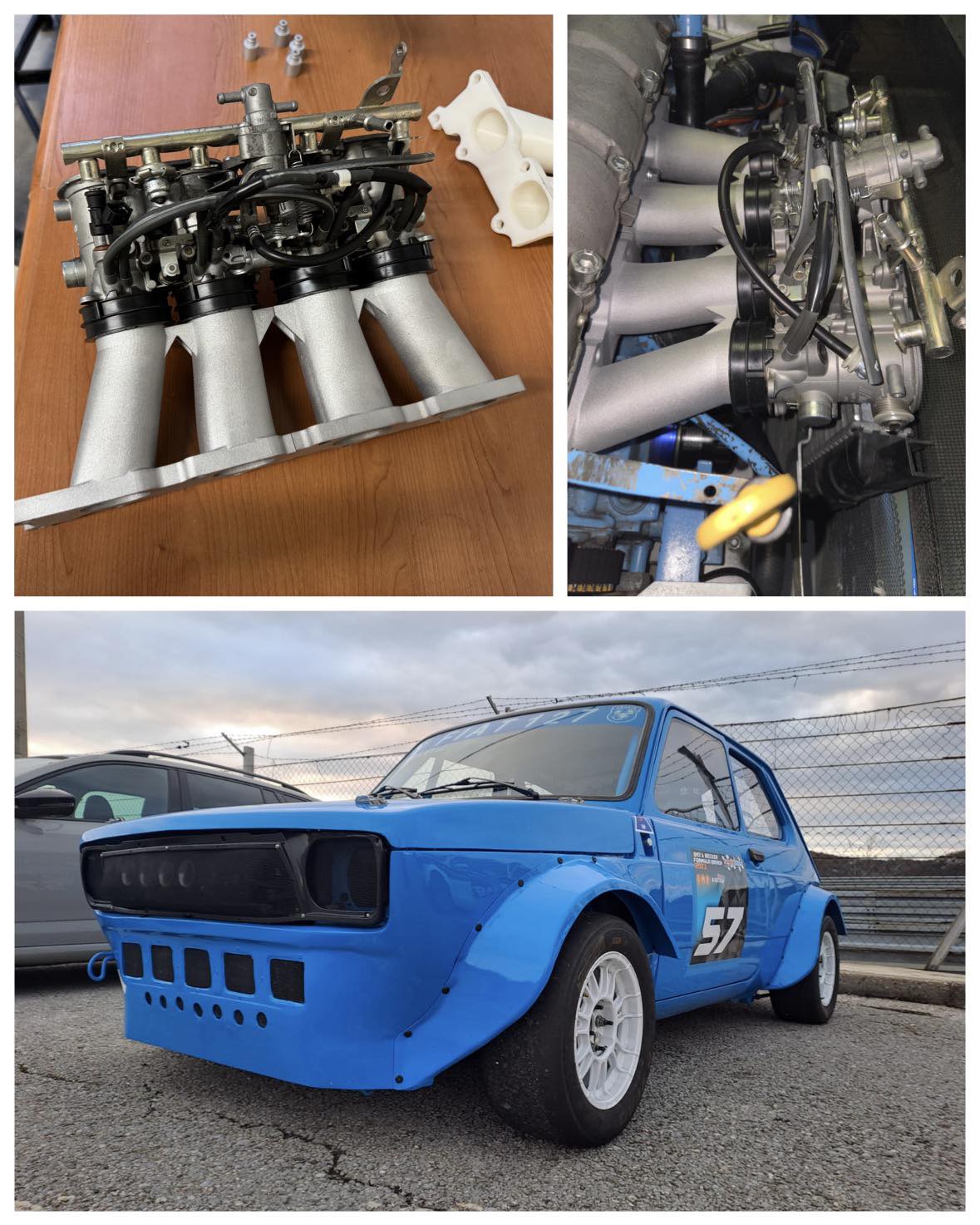
Metal 3D Printing Suction Branch For Racing Car
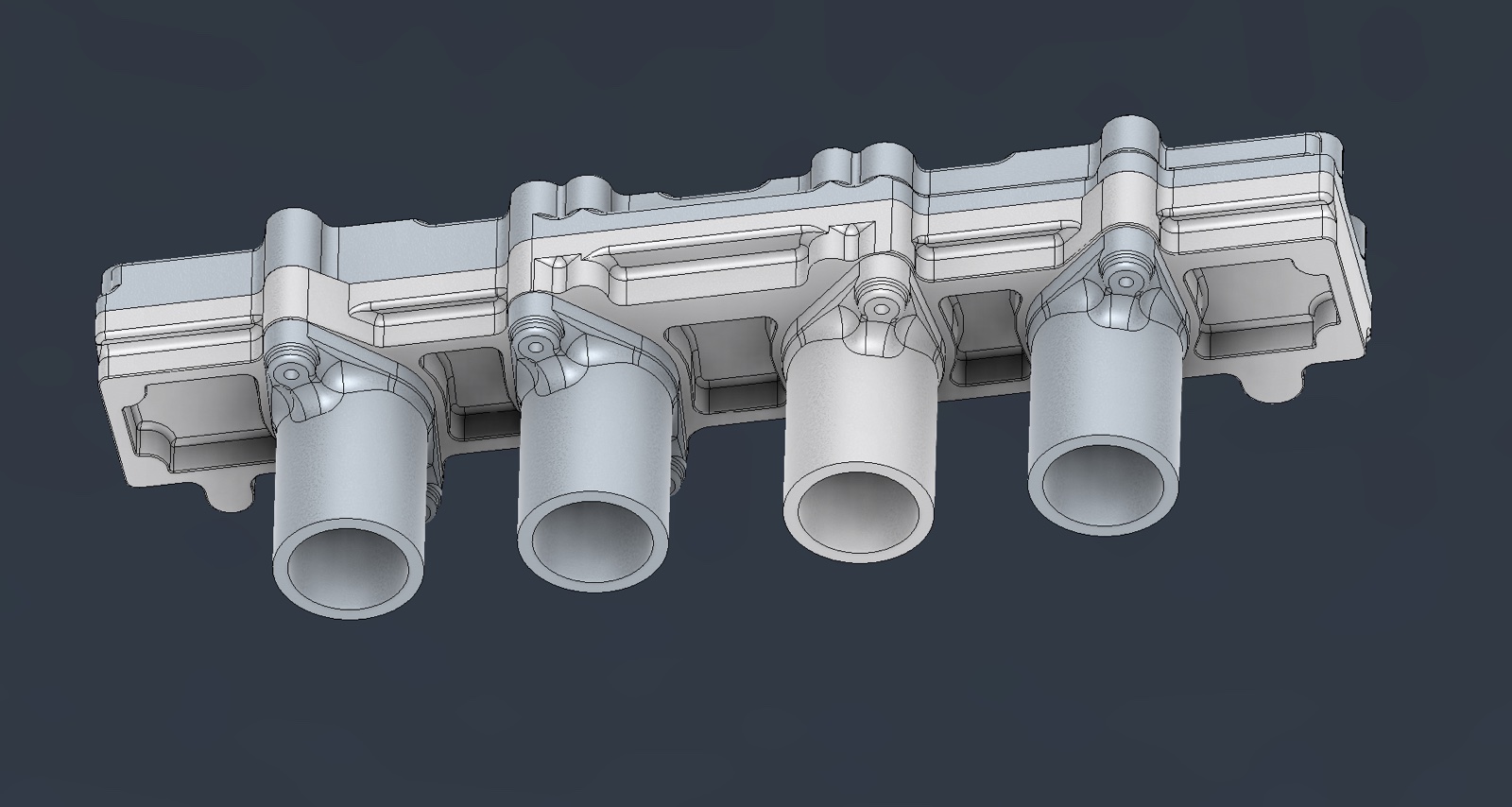
Our technology lab has made suction branches made using metal 3D printing from aluminum.
The process started with 3D modelling of customized geometries for adtitive technologies in order to achieve an optimal model, this can achieve the optimization of a model such as its mass. Finishing included CNC finishing and testing.
This project demonstrates the advantages of additive manufacturing in the manufacture of motorsport parts, allowing faster iteration of the design and adaptation to the specific needs of the vehicle.
Honda Civic Yamato 1984 - 3D modelling and parts fabrication
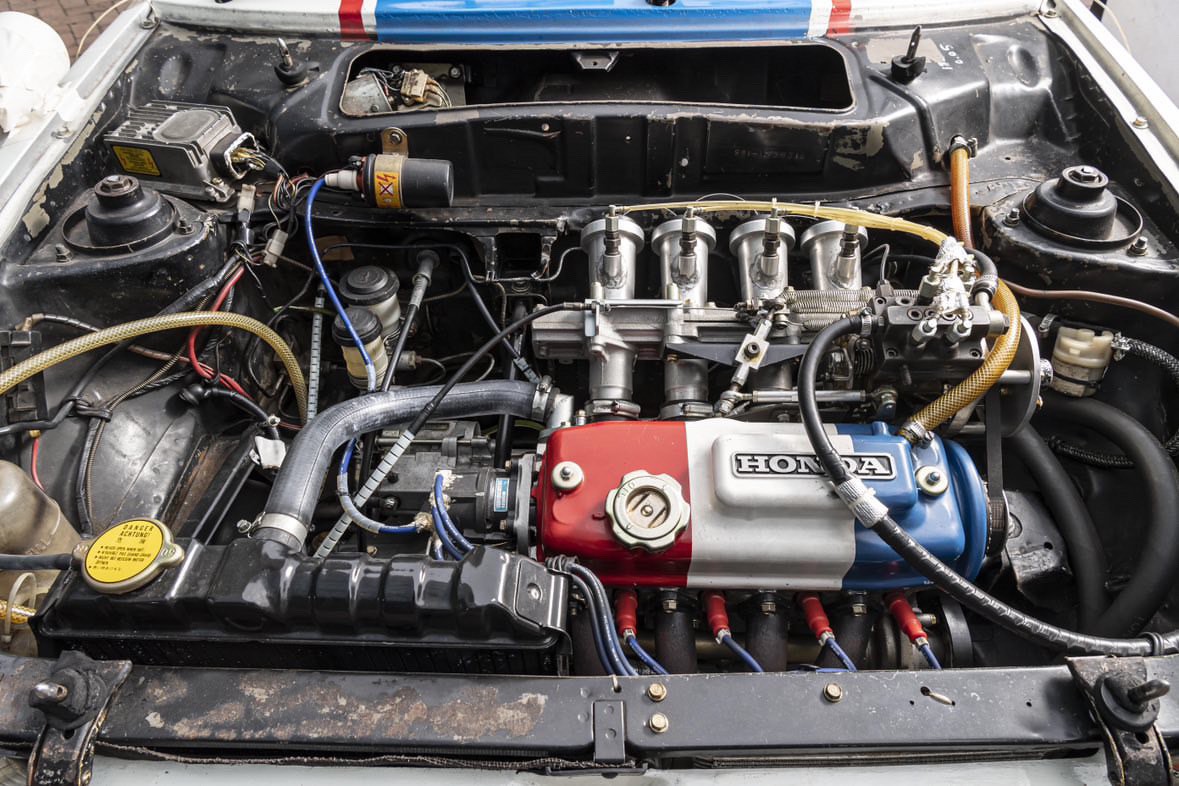
One of the projects of the company Ruting d.o.o. is the restoration of a rare racing car Honda Civic Yamato from 1984.
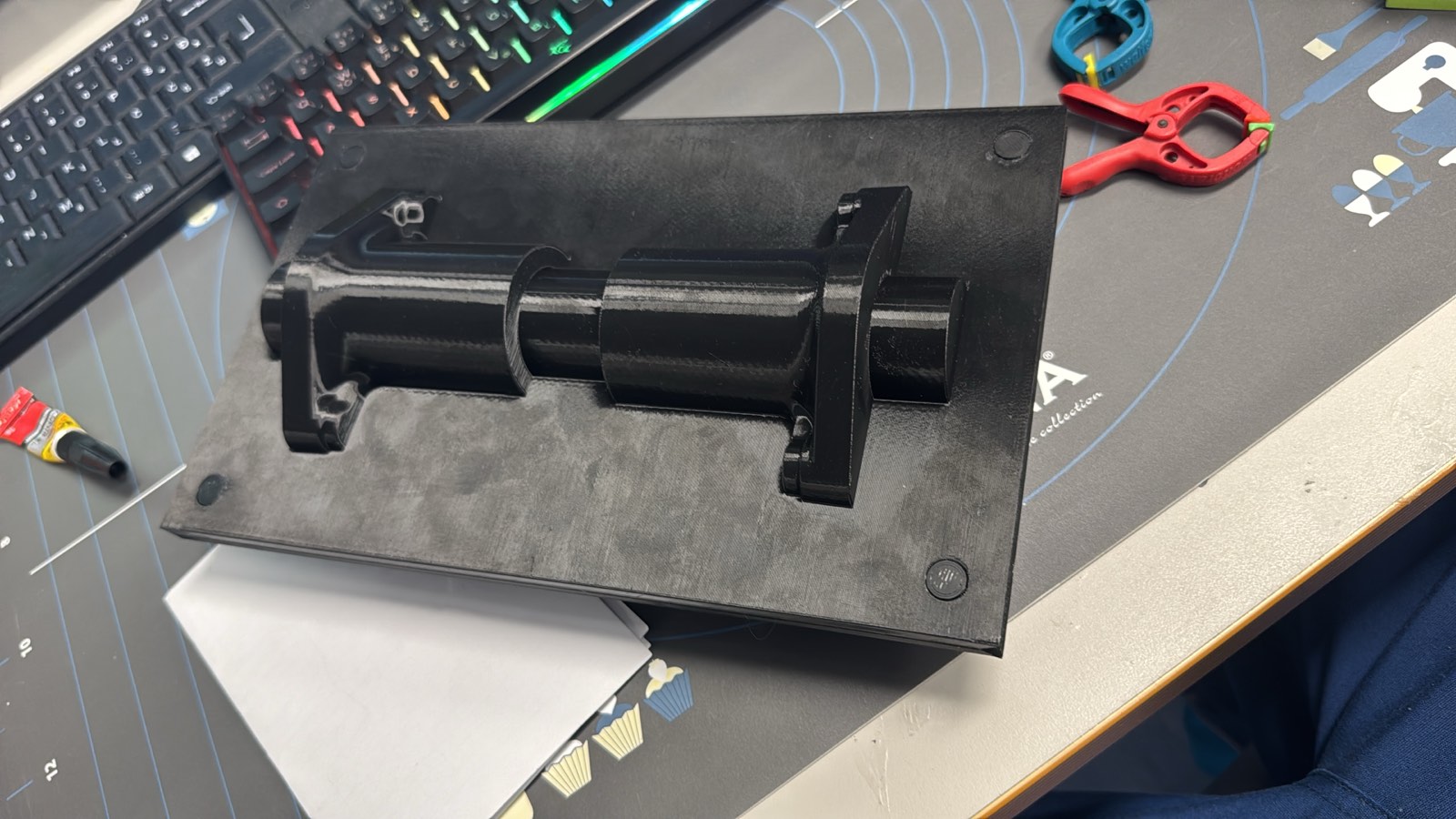
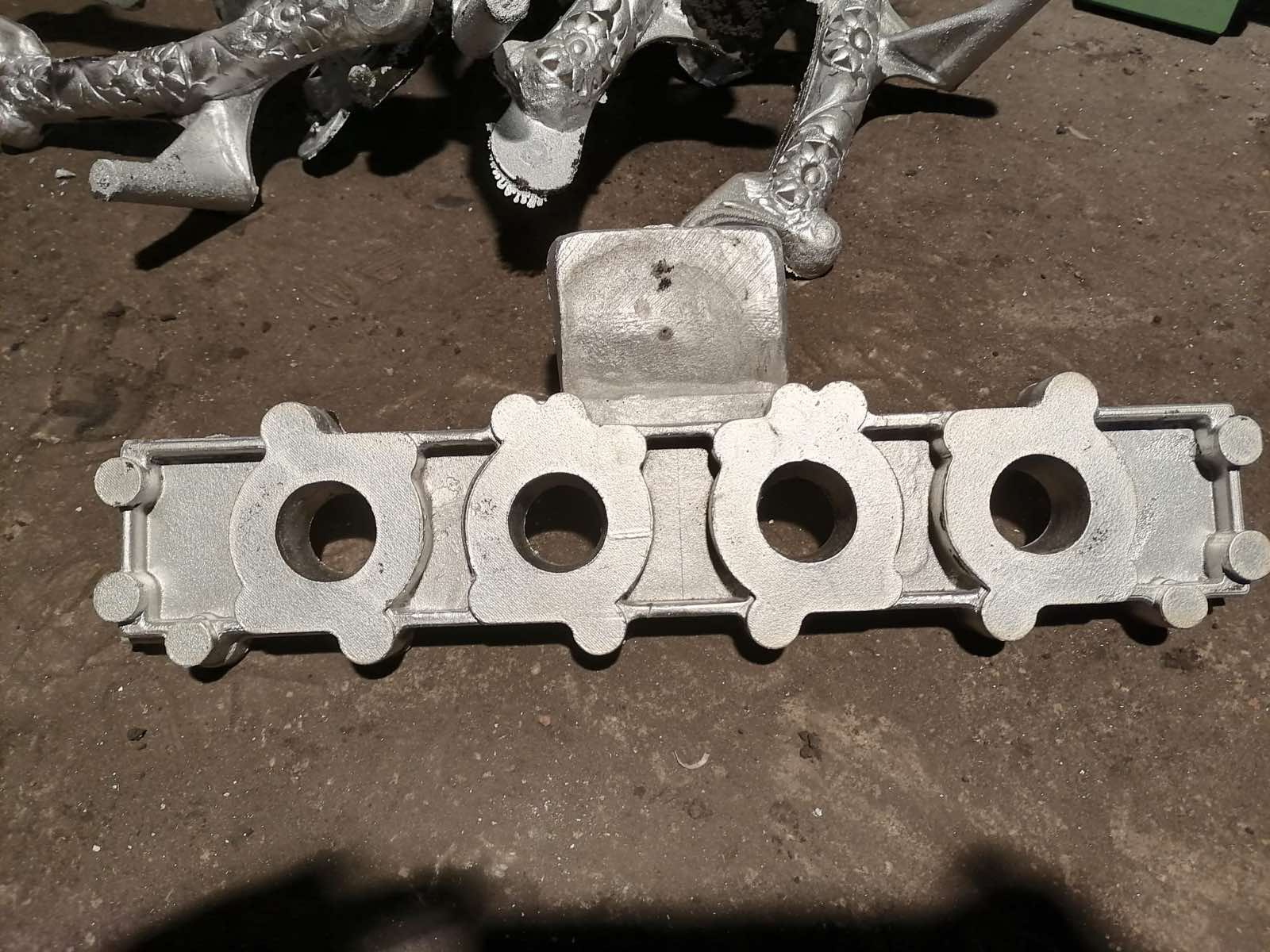
Since the original parts are almost inaccessible, our technology lab has made 3D models of interplates and flanges based on a museum specimen from Japan and client specifications. Based on these models, casting tools were made and parts were printed with FDM 3D technology and used as models for casting aluminum components in sand.
This project is a perfect example of how additive technologies make it possible to produce rare parts for old-timers.
3D printing of fuel distributor using DMLS technology
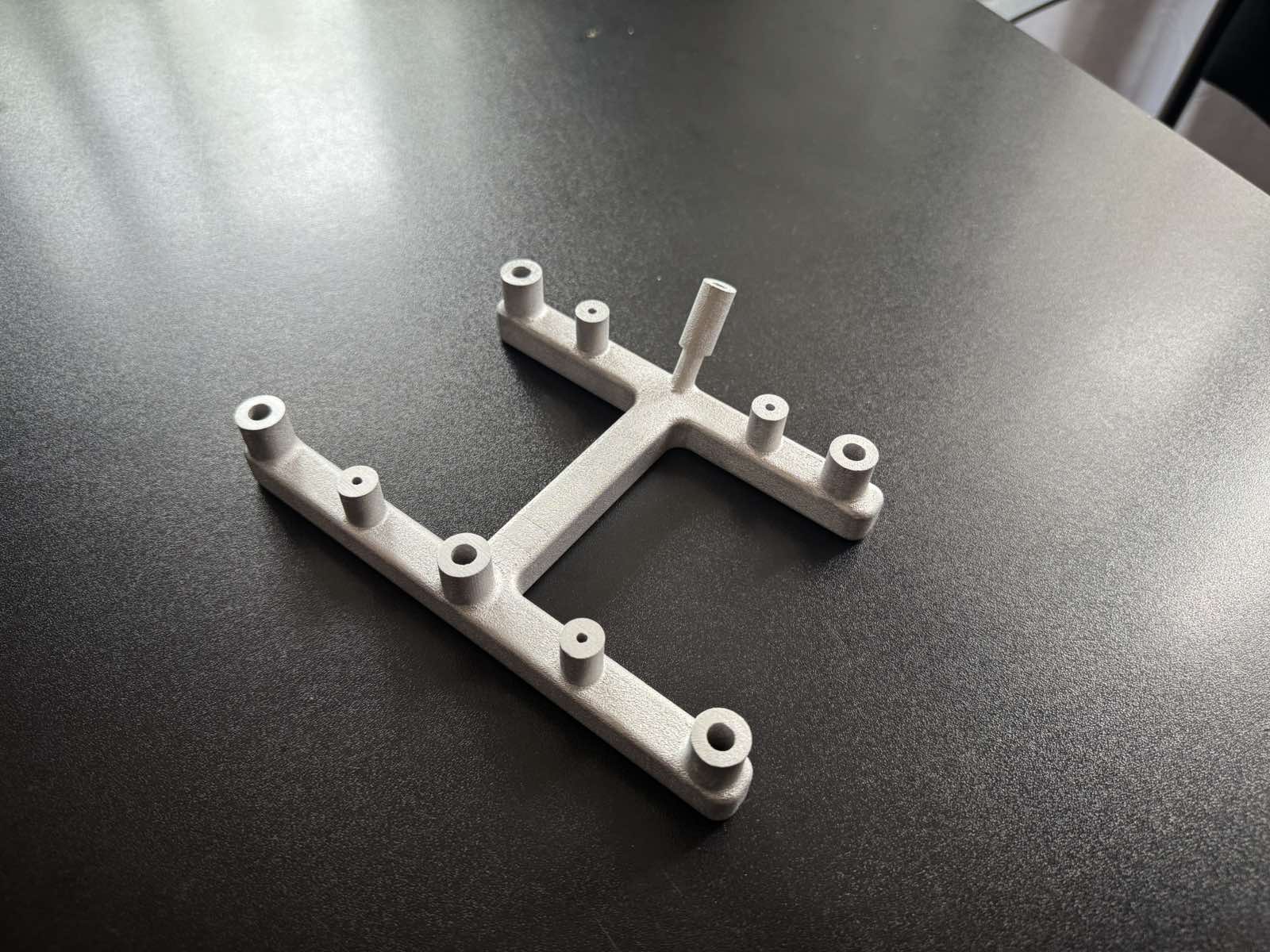
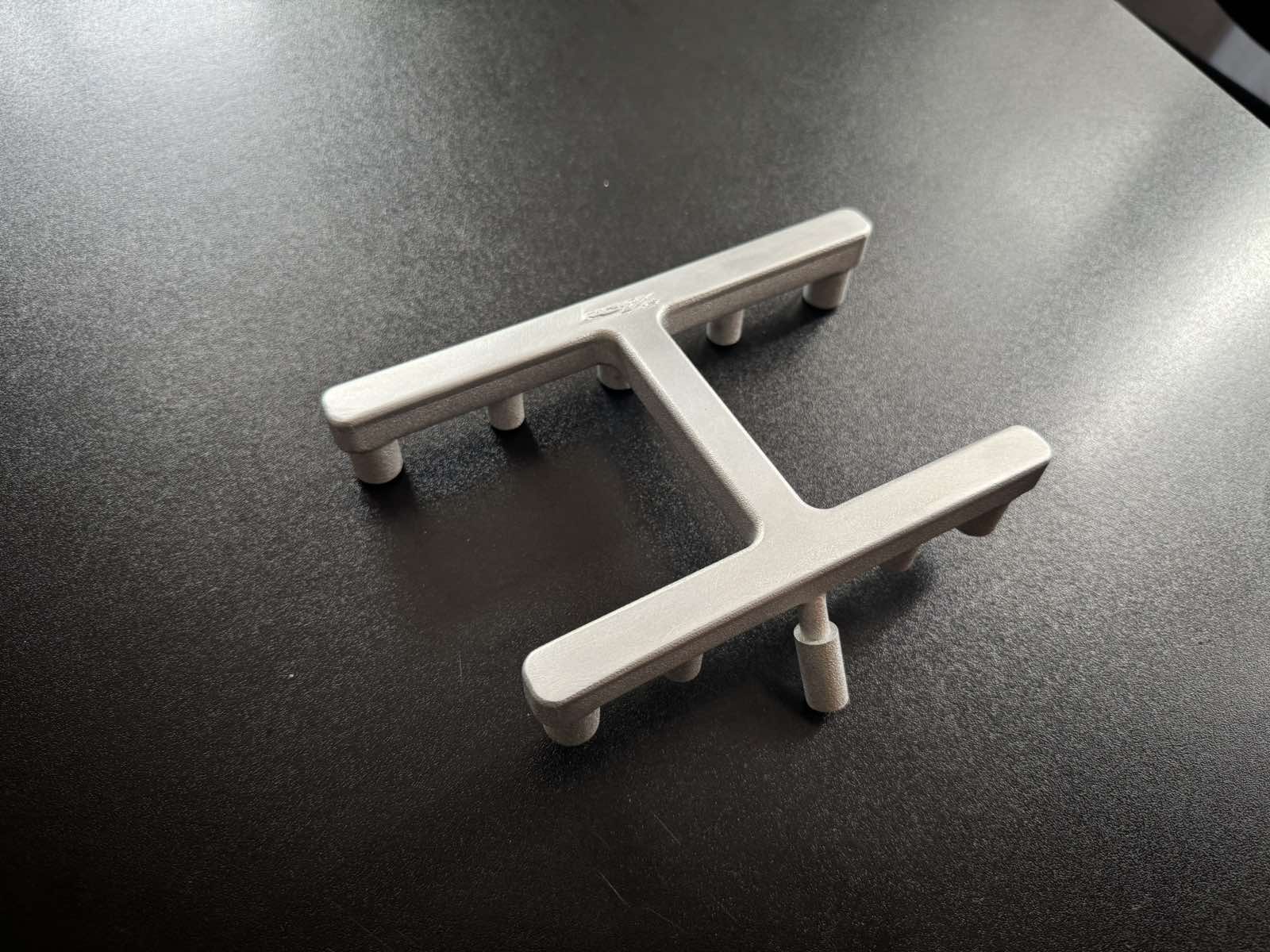
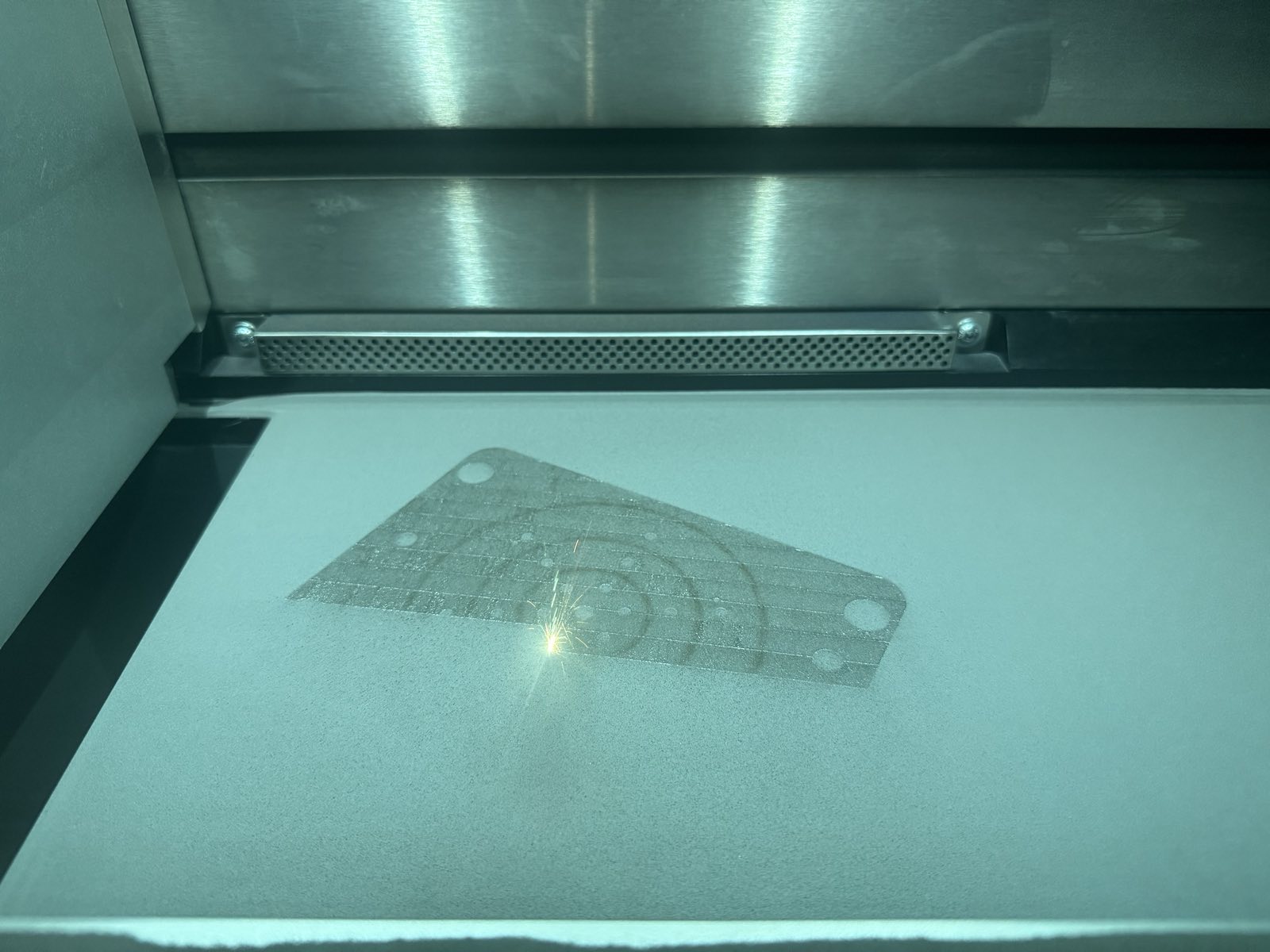
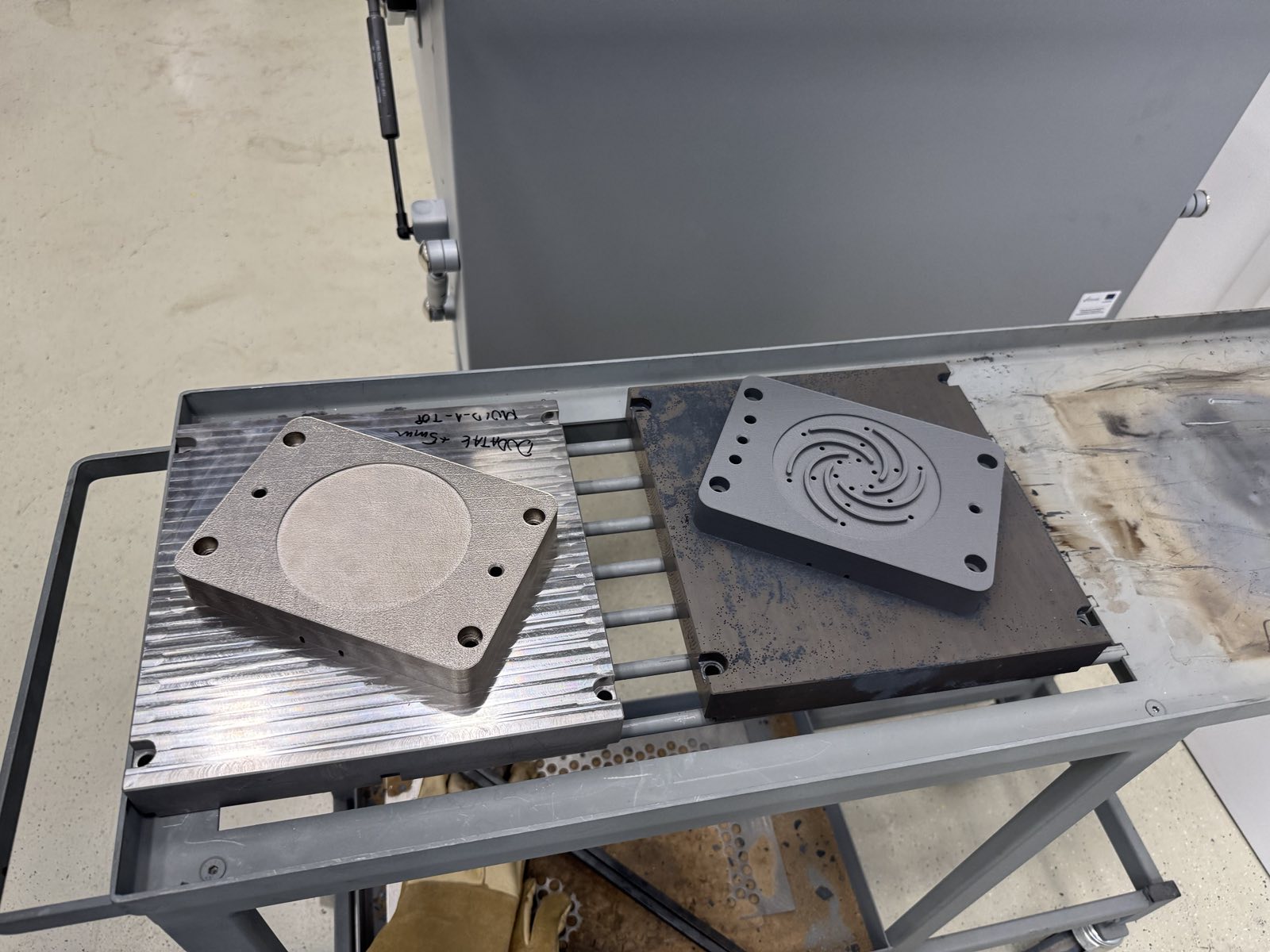
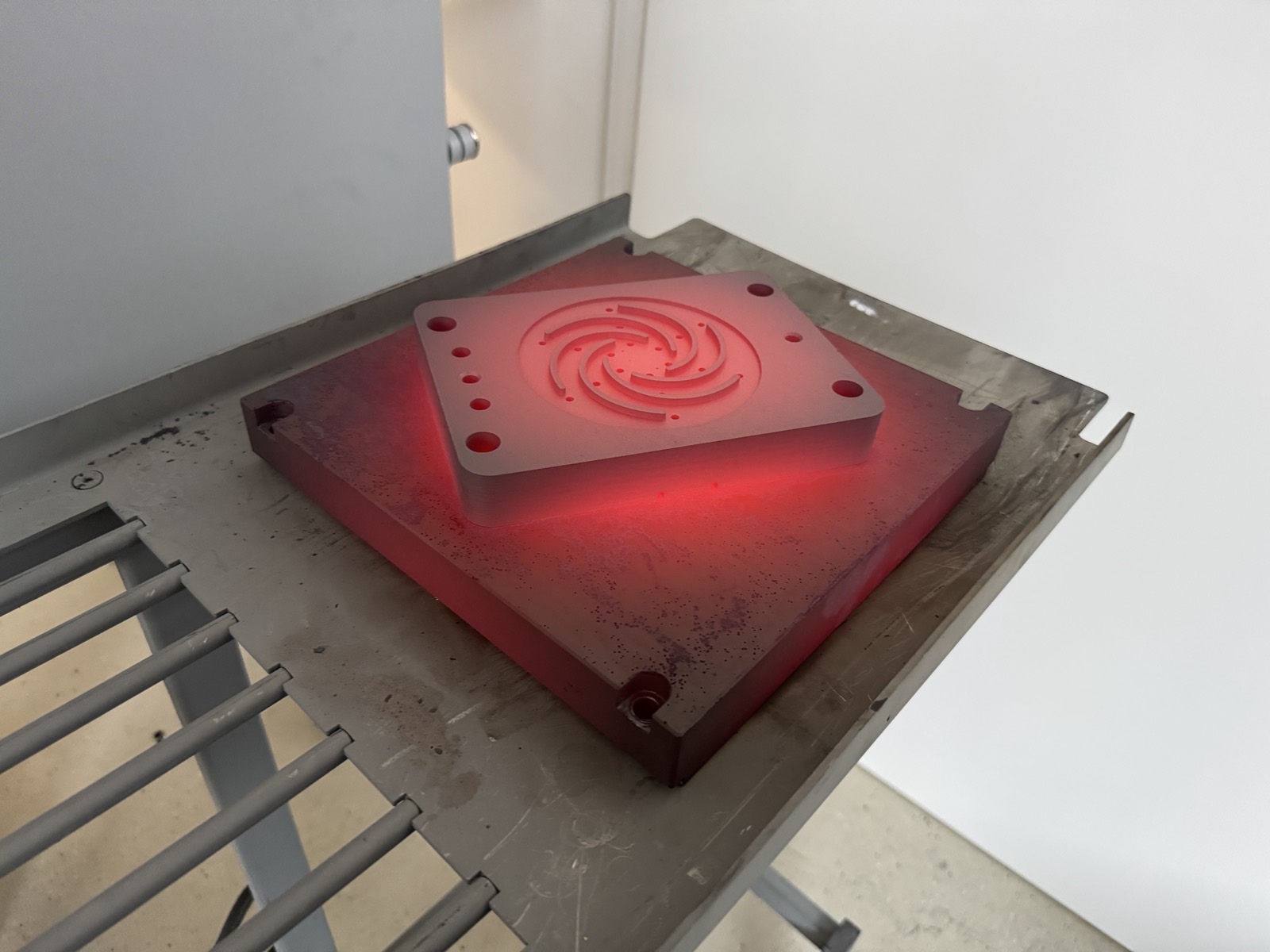
As part of one of our development projects, a fuel distributor was made using direct laser metal sintering (DMLS) technology in aluminium. This technology has enabled the precise production of a technically demanding component with complex internal geometry, which would be very difficult to achieve by conventional processing or casting methods.
The application of additive production eliminated the need to make expensive molds, which significantly reduces the cost in the production of smaller batches or unique pieces. In addition, the use of aluminium has made it possible to optimize weight without compromising mechanical resistance, which is especially important in applications where component weight is a key factor.
This project clearly demonstrates the advantages of 3D metal printing in the fast and flexible production of functional parts adapted to the specific technical requirements and constraints of traditional manufacturing processes.
River Tattoo Expo 2024
Rijeka Tattoo Expo is an international event dedicated to tattoo art, which in November 2024 gathered 120 tattoo artists from all over Europe and thousands of visitors.
This three-day festival offers a rich program that includes competitions, exhibitions, creative workshops, and music and dance performances. During the event, visitors could enjoy the live tattoo spectacle, attend inspiring lectures and interactive workshops, and get acquainted with the latest trends in the world of tattoos. Expo is also an important center for connecting artists and sharing experiences among tattoo lovers.
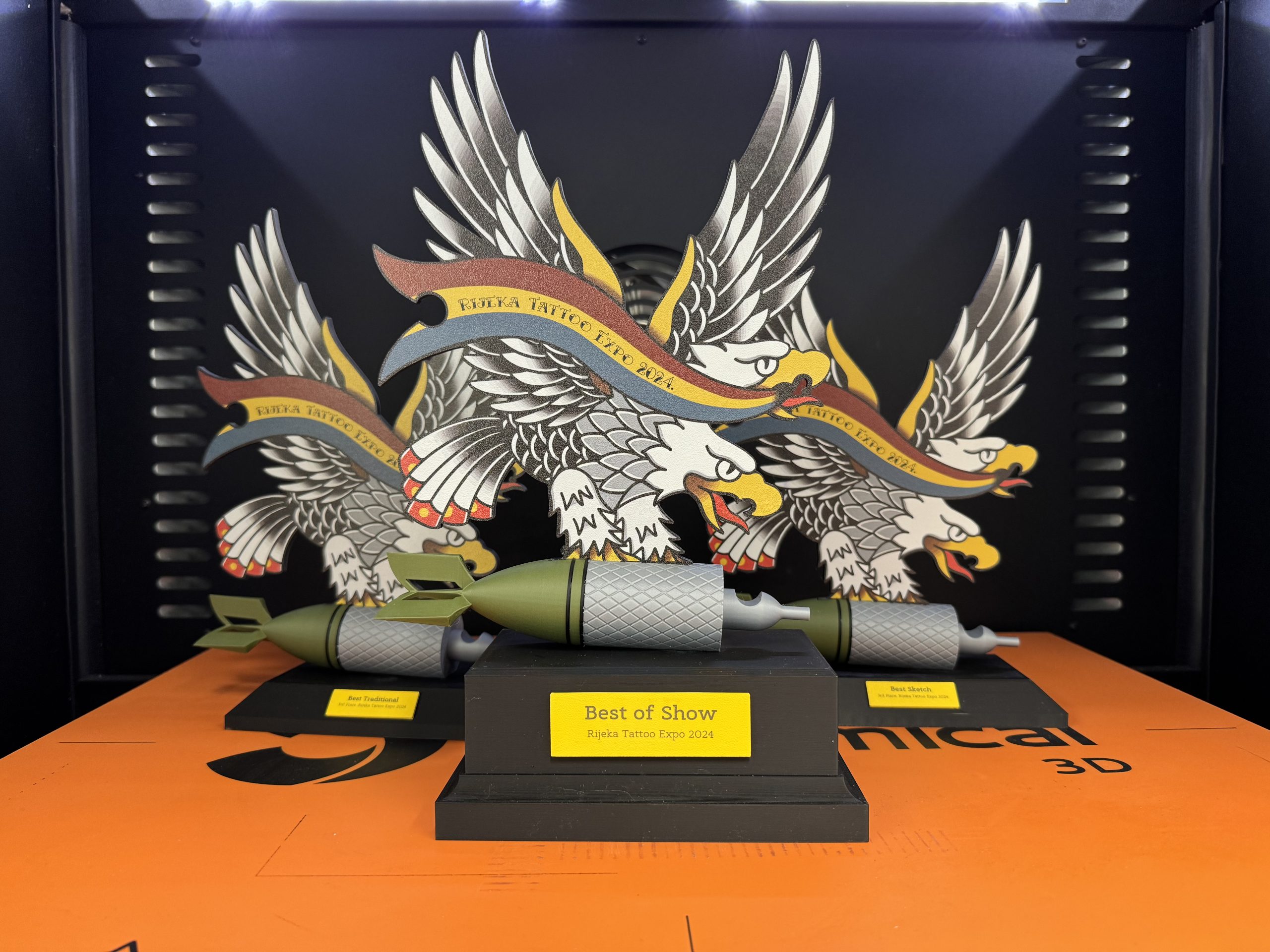
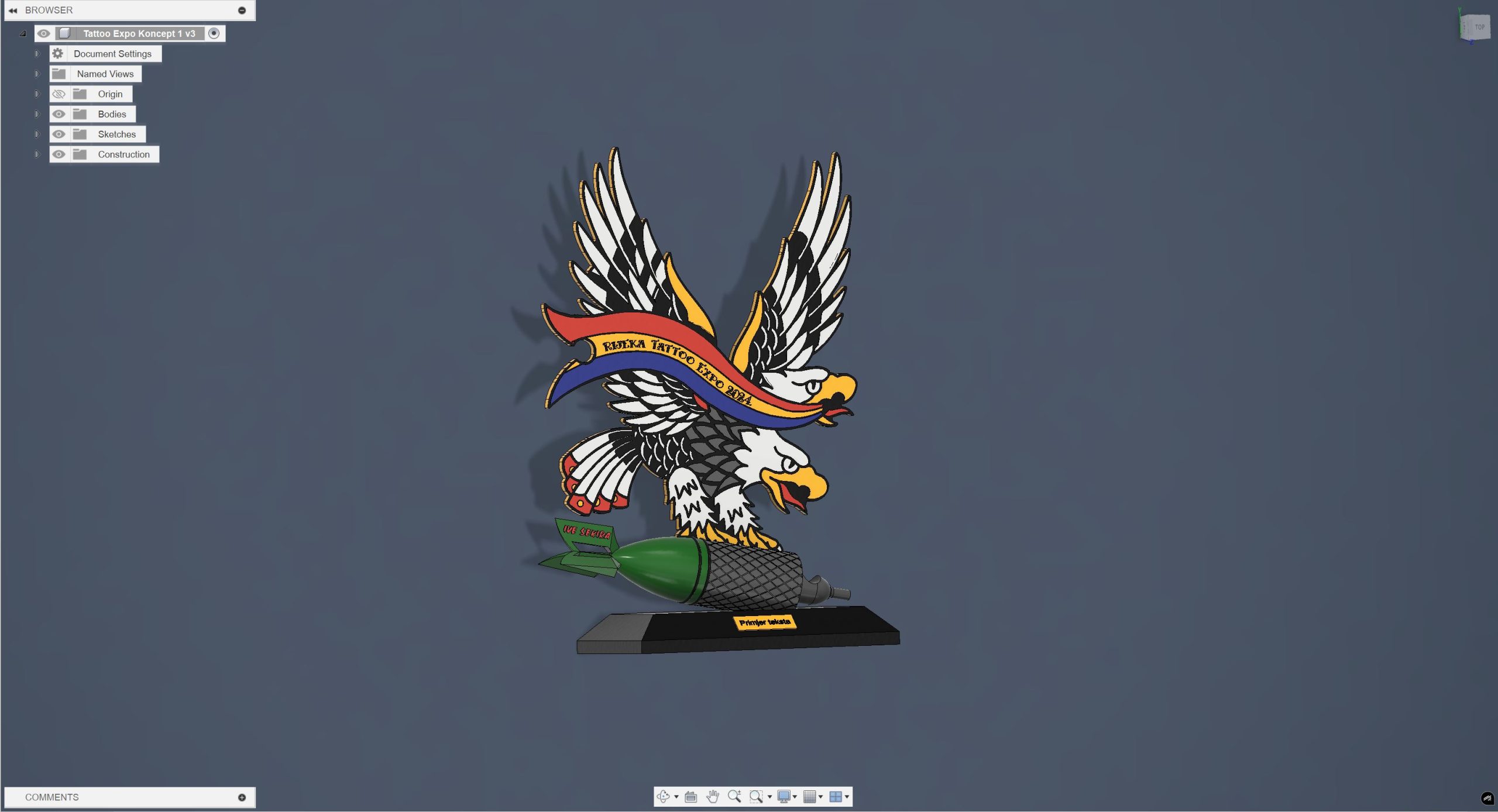
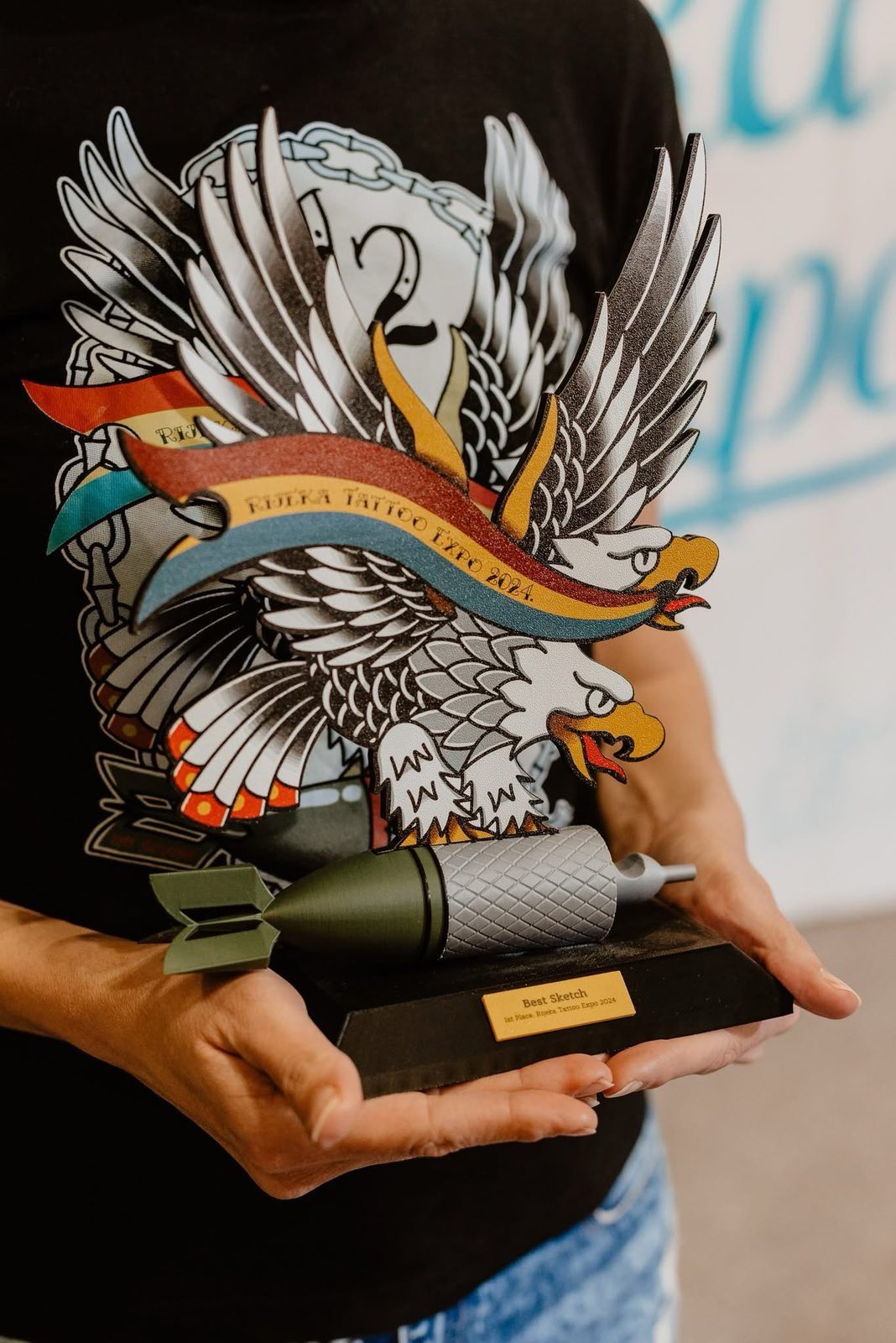
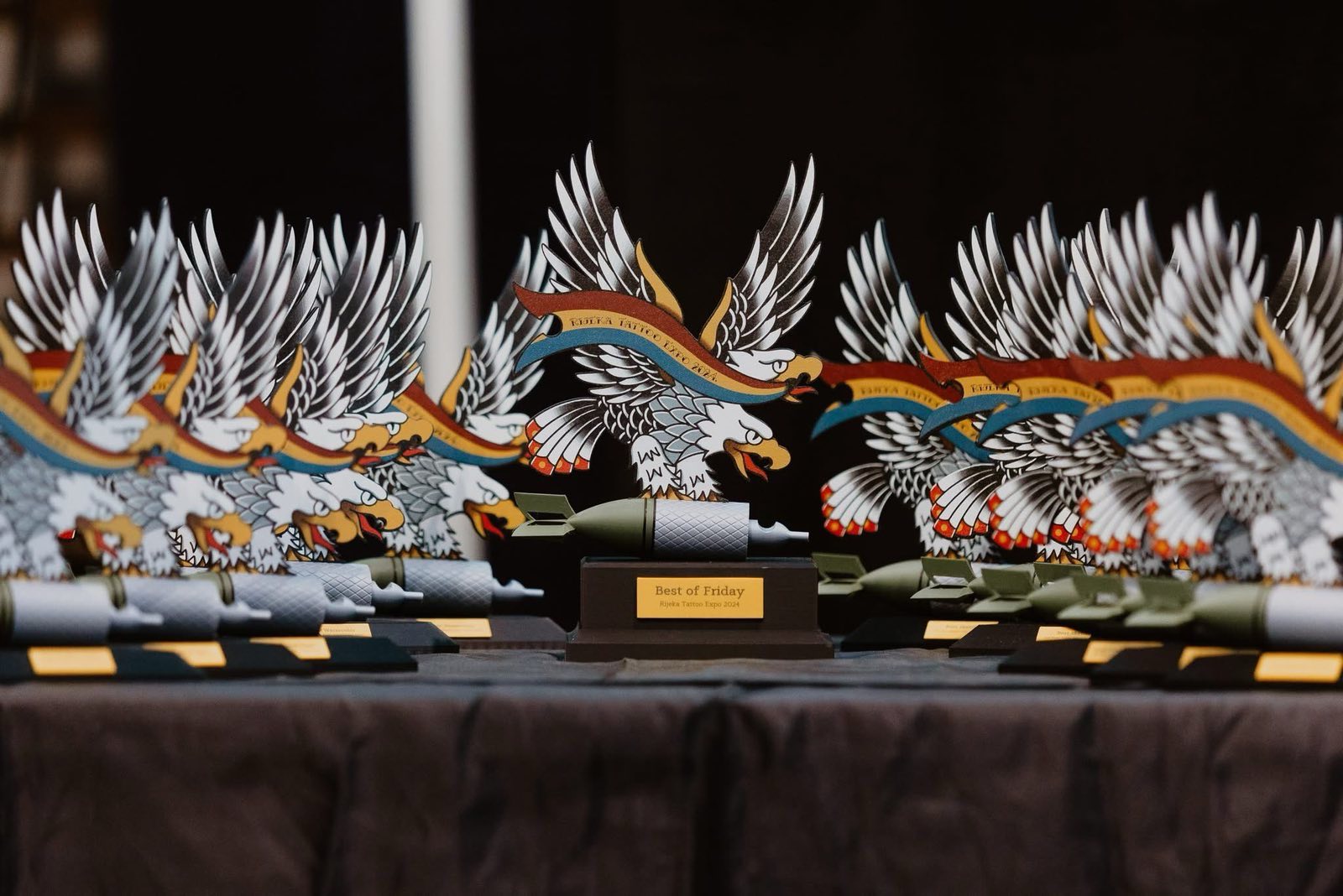
Tech Lab of the Rijeka Development Agency participated in the design and creation of 40 awards for the winners of the competition, using 3D printing technology, and the awards were recognized as innovative and unique.
Expo GameRi 2024
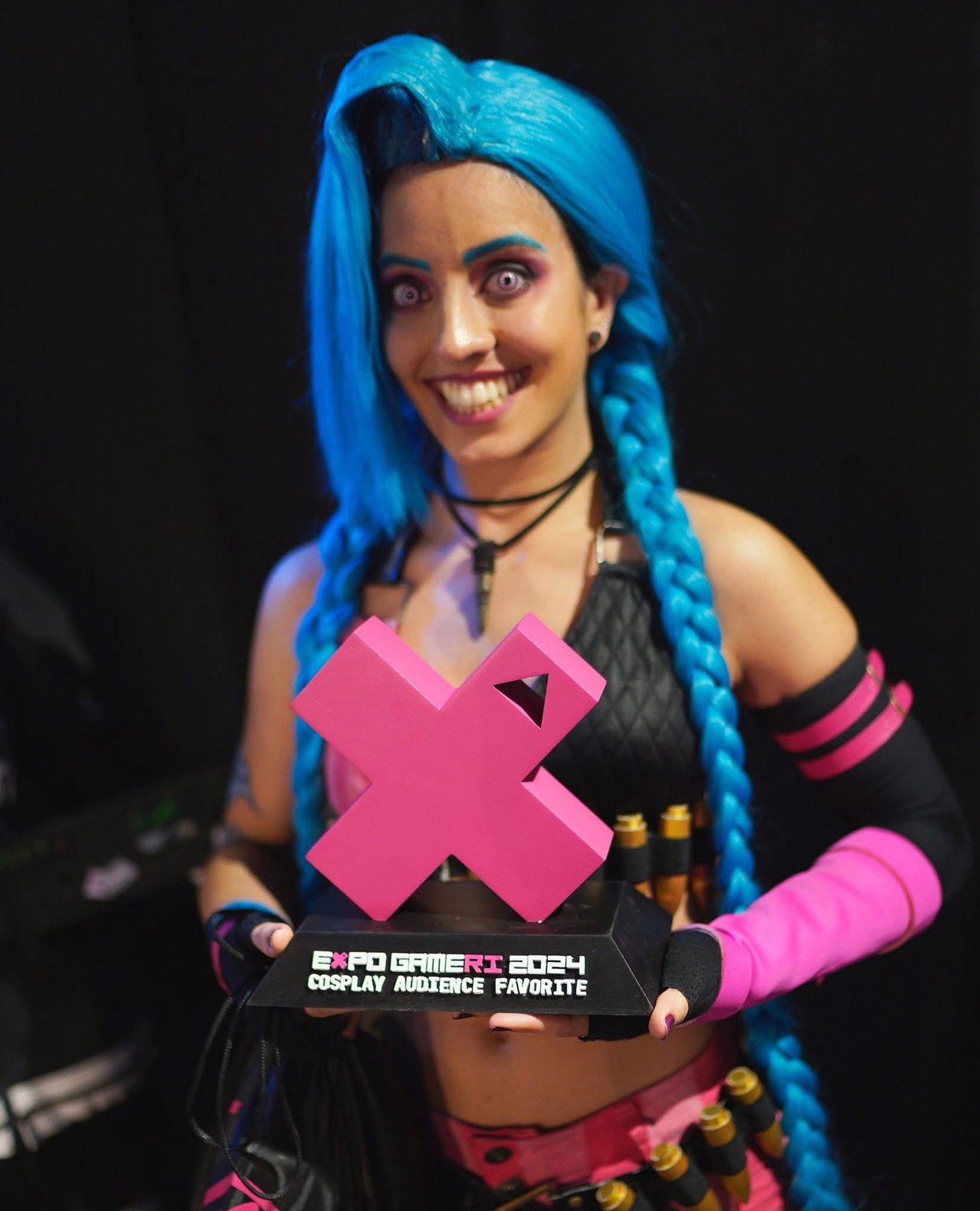
In April 2024, the first Rijeka video game fair Expo GameRI transformed the space of Rijeka's Exportdrvo into a large gaming center where visitors could try out new games and gadgets, listen to conversations and lectures about the gaming and tech industry, and participate in competitions, tournaments, workshops and dance points.
Tech Lab of the Rijeka Development Agency Porin designed and 3D printed prizes for the participants of the competition, taking into account the visual identity of the event itself.
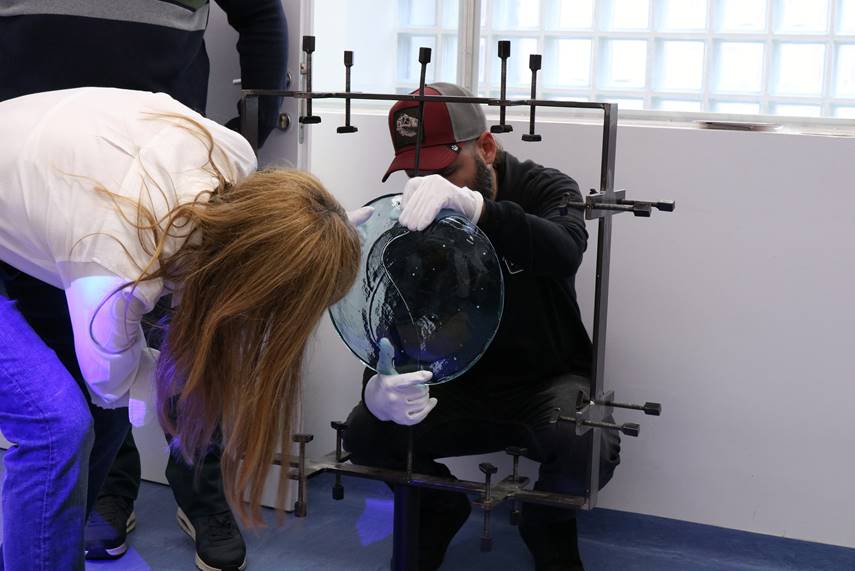
The Goldoni case of the MMSU project that combined restoration, 3D technology and the human values of friendship
The Goldoni case project returns Raoul Goldoni's only work from the museum's Sculpture Collection, Core (Forged Glass) from 1973, to the exhibition and museological function after more than four decades.
The peculiarity of this project lies in the restoration of the sculpture, one of the five glass plates of which was severely damaged and lost. Her new life was given to her by a renowned artist and Goldoni's longtime collaborator Livio Seguso.
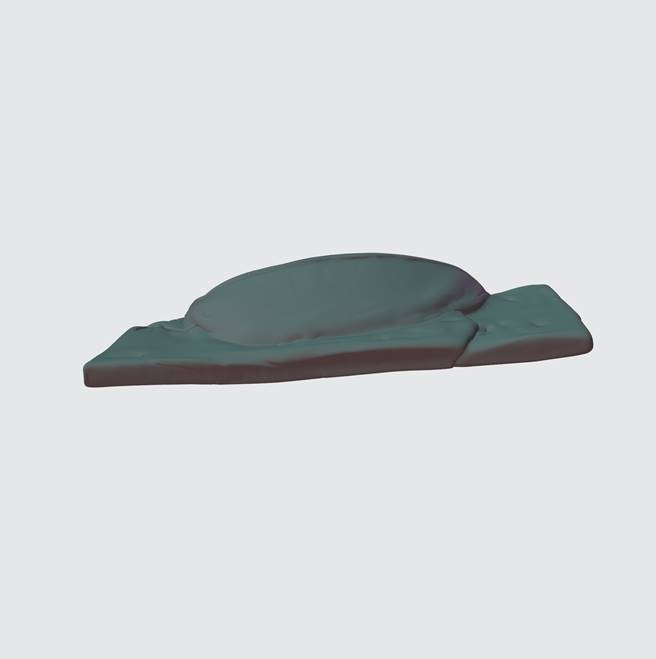
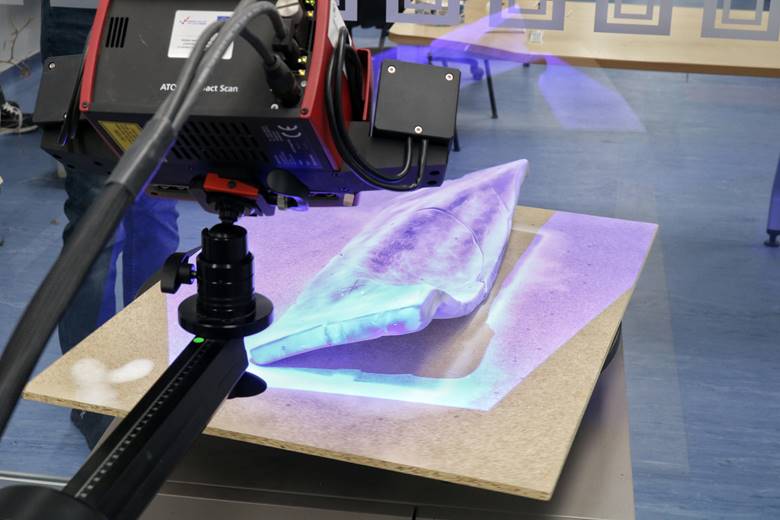
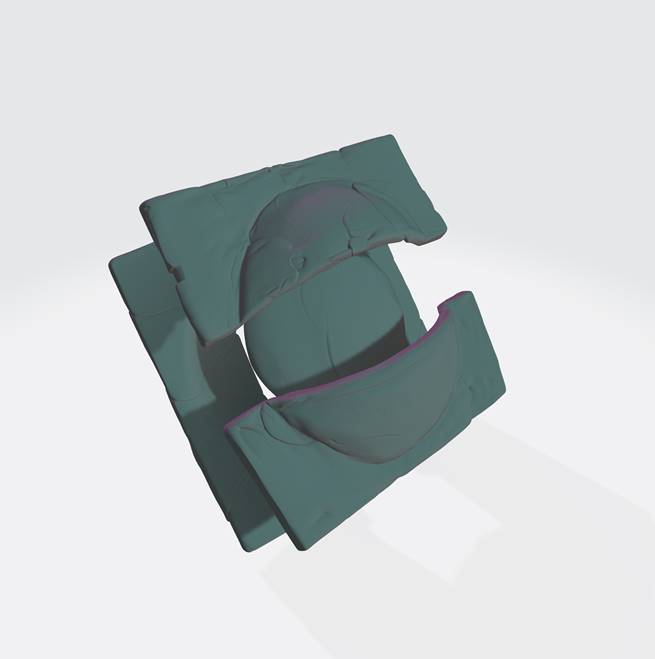
During the restoration, inter-museum, interdisciplinary and international cooperation was encouraged, and the Museum of Modern and Contemporary Art, in cooperation with RRA Porin, conducted a complete 3D scanning of the sculpture. This achieved an innovative protection of museum material within the collections of the Museum of Contemporary Art, which is the first such example in the museum.
DIH InnovaMare
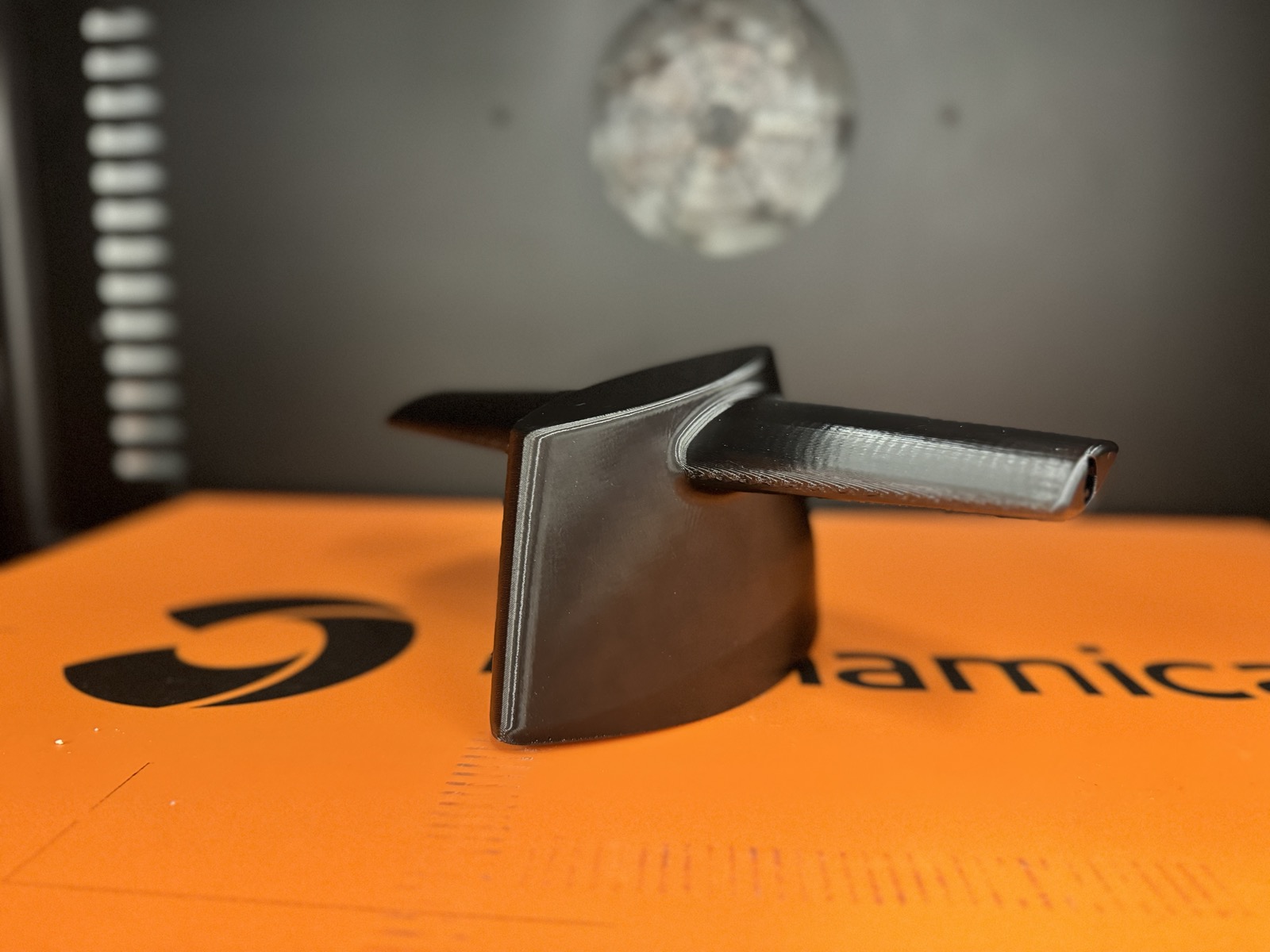
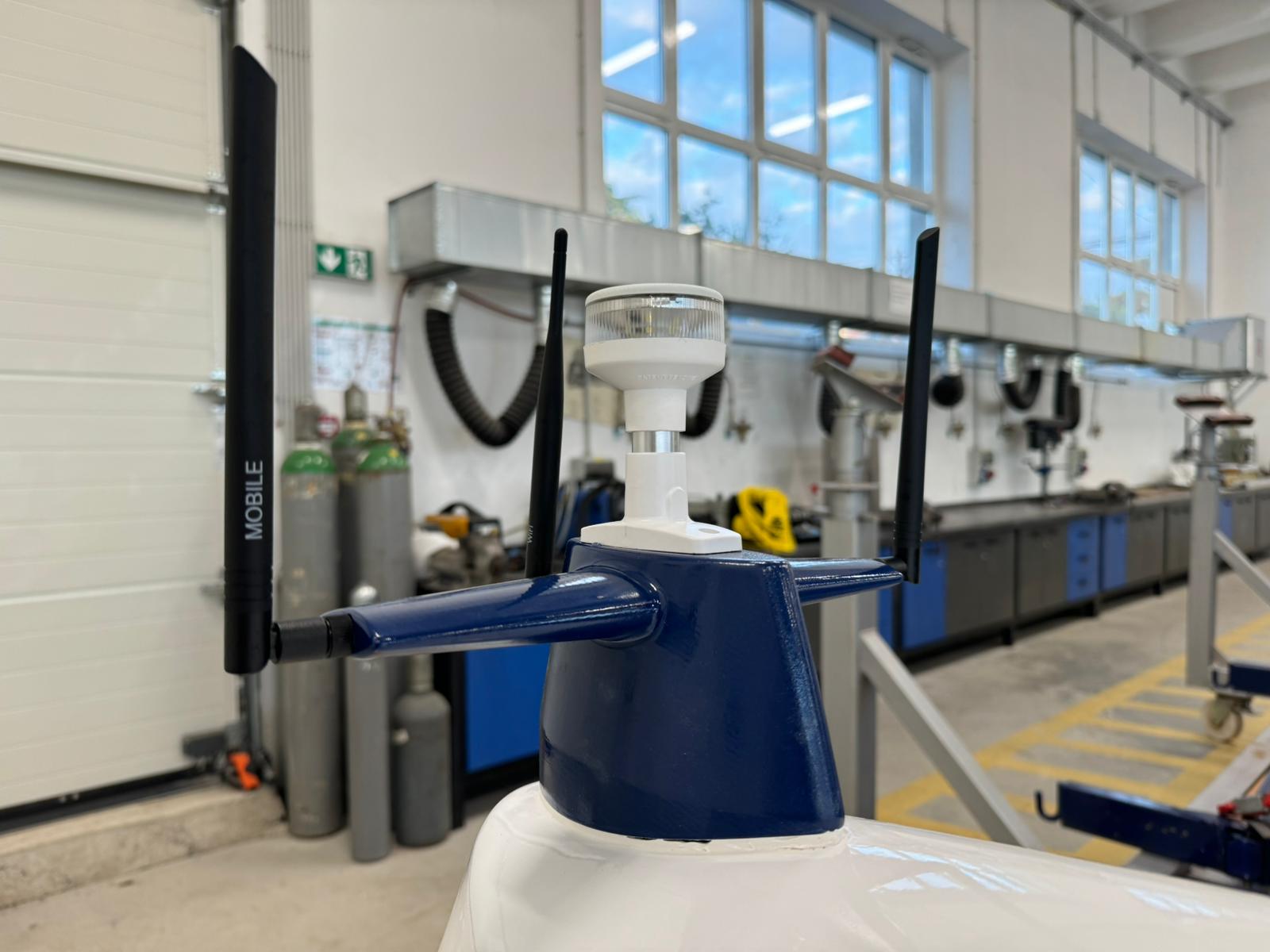
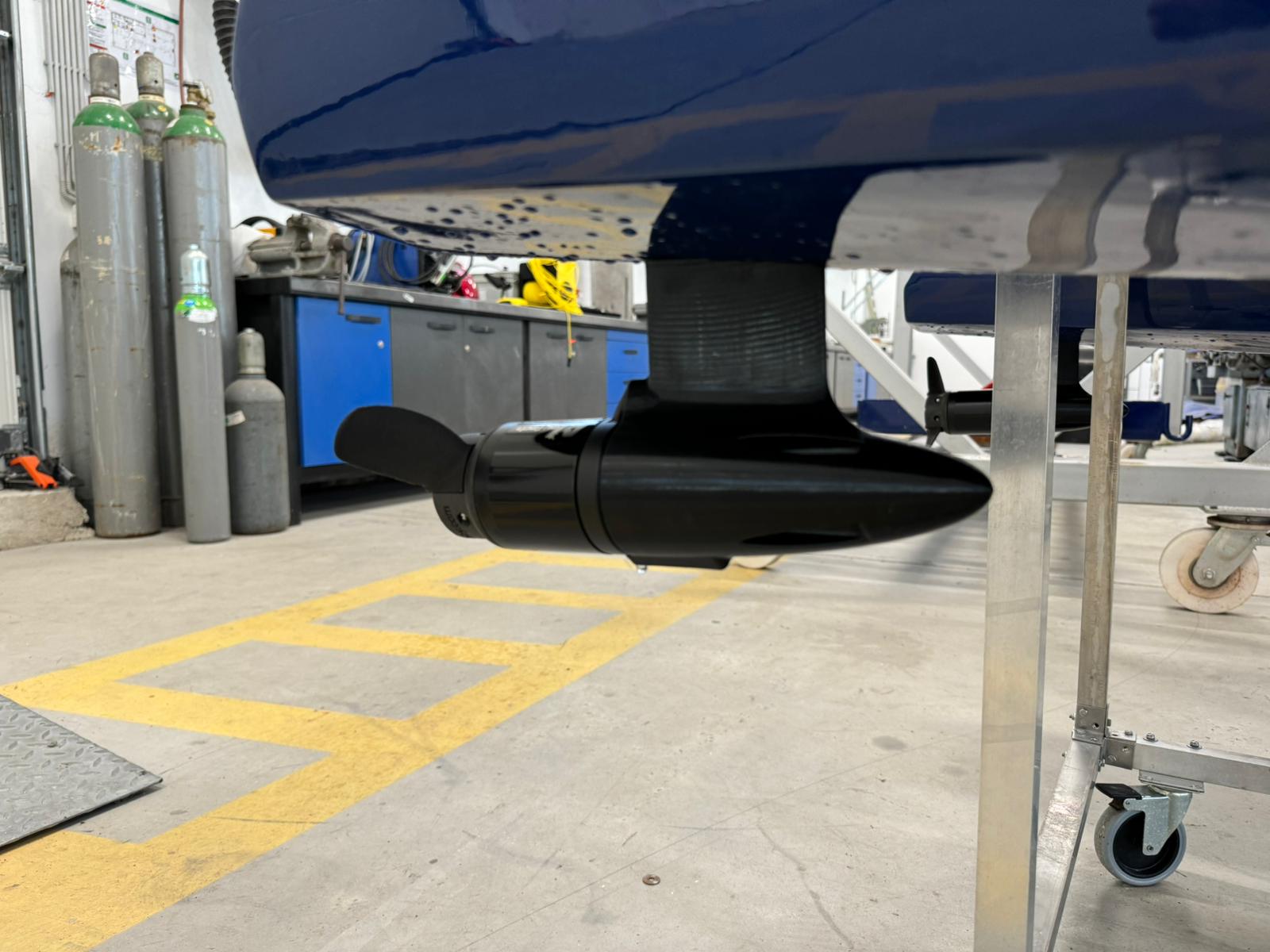
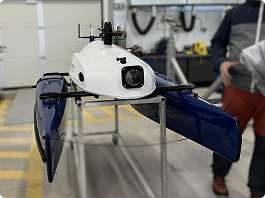
The cross-border project Digital Innovation Hub (DIH) InnovaMare, funded by the Interreg Italy-Croatia programme 2021-2027, used the services of the Torpedo Production Park to develop prototypes and parts of carbon fibre molds.
One of the key results of the project is the autonomous vessel Faust V, inspired by the work of the Croatian inventor Faust Vrančić.
Faust V represents the fifth generation of technology that combines artificial intelligence, digitalisation and environmental sustainability, and sets new standards in maritime operations and environmental surveillance.
Adria Hydrofoil Team
Adria Hydrofoil Team is one of the leading teams on the Croatian sports hydrofoiling scene, specializing in the development of vessels with hydrofoil technology that allows flying over water.
The team brings together passionate athletes and engineers who combine top skills from sailing, surfing and engineering to achieve maximum performance. Adria Hydrofoil Team achieved second place in the overall Energy class rankings and third place in qualifications and speed tests at the prestigious Monaco Energy Boat Challenge in 2024.

Model – Parish of the Assumption of the Blessed Virgin Mary – Kaštel Lukšić
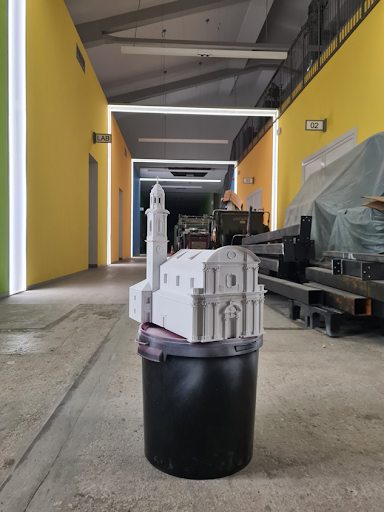
According to the specifications and requirements of the client, we have made a detailed 3D model of the parish of the Assumption of the Blessed Virgin Mary in Kaštel Lukšić.
The modelling process is based on reference photographs and available virtual walk of the object, thus achieving a dignified fidelity to the real appearance of the church.
Based on the created model, a reduced physical model was made using 3D printing, which faithfully shows all the essential architectural elements of this significant sacral object.
Metal 3D Printing Plastic Injection Mold
As part of the research project ‘3DoP – Optimization of production using 3D printing techniques’, we optimised the design and created a plastic injection mould using DMLS (Direct Metal Laser Sintering) technology for 3D printing in steel.
The mold is specially designed with integrated internal cooling channels, which significantly improves the efficiency of the injection process and shortens the production cycle time. After 3D printing, the mold is subjected to thermal treatment with the aim of relaxing the residual stresses formed during the additive manufacturing process.
In the final stage, the mold is precisely machined with CNC technology in order to achieve the required geometric tolerances and the desired surface quality, thus ensuring its functionality and durability in realistic production conditions.