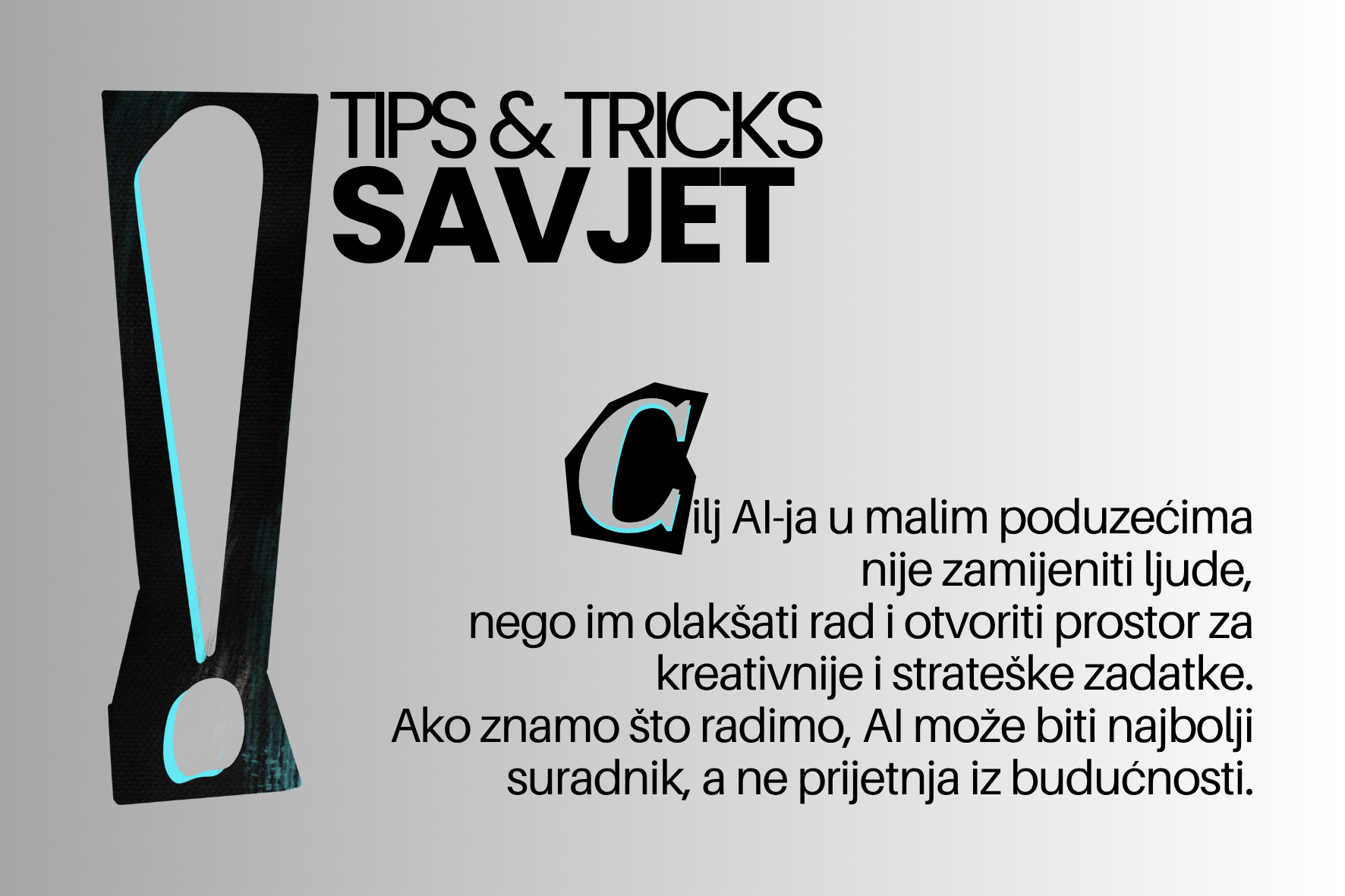
Digitalisation, personalisation and environmental awareness are becoming the norm. Generation Z enters into entrepreneurship with a startup mentality, looking for flexibility and purpose. E-commerce, remote operation, AI and the circular economy are key directions. Those who do not adapt risk stagnation.
2025 brought significant changes to the way businesses are run, especially for SMEs. Technology, demography and social values are shaping a new entrepreneurial environment. What we really can't ignore:
- Digital transformation as an imperative – It is no longer a question of whether business needs to be digitalised, but how to do it smartly. From e-invoices to CRM systems and AI assistance, digital has become the basis. Undertakings that continue to use paper records are losing valuable time and accuracy.
- Generation Z takes over the scene – Young entrepreneurs bring start-up mentality, values such as transparency, flexibility and social responsibility. They seek purpose, not just profit. Brands that do not speak “their language” will find it difficult to interest them.
- Remote operation and hybrid model – The pandemic has changed working habits, teleworking remains the norm. This changes the needs in infrastructure, communication and team management. The use of tools such as Slack, Zoom or Notion becomes everyday.
- Personalization and user experience – Customers expect brands to “know” them. Small businesses that use data smartly (e.g. via newsletters, CRMs) can build strong customer relationships. One-size-fits-all access no longer passes.
- Green and sustainable economy – Climate change and EU regulation are creating pressure, but also an opportunity. Sustainability is no longer just an environmental issue but also a market advantage. Customers are increasingly choosing products and services that have a lower carbon footprint.
- Growth e-commerce markets – Online selling is no longer an option but a need for both physical products and services. Good webshop, integration with delivery and quality UX (user experience) become key success factors.
- Circular economy and second life models – Repair, recycling, reuse and the sharing economy are gaining in importance, consumers are looking for more sustainable alternatives. Small businesses can benefit by offering repairs, conversions and local production.
- Use of artificial intelligence and automation – AI is no longer a luxury, but a tool for more efficient business, from customer support to analytics and predictive planning. Automating routine tasks saves time and allows focus on growth.
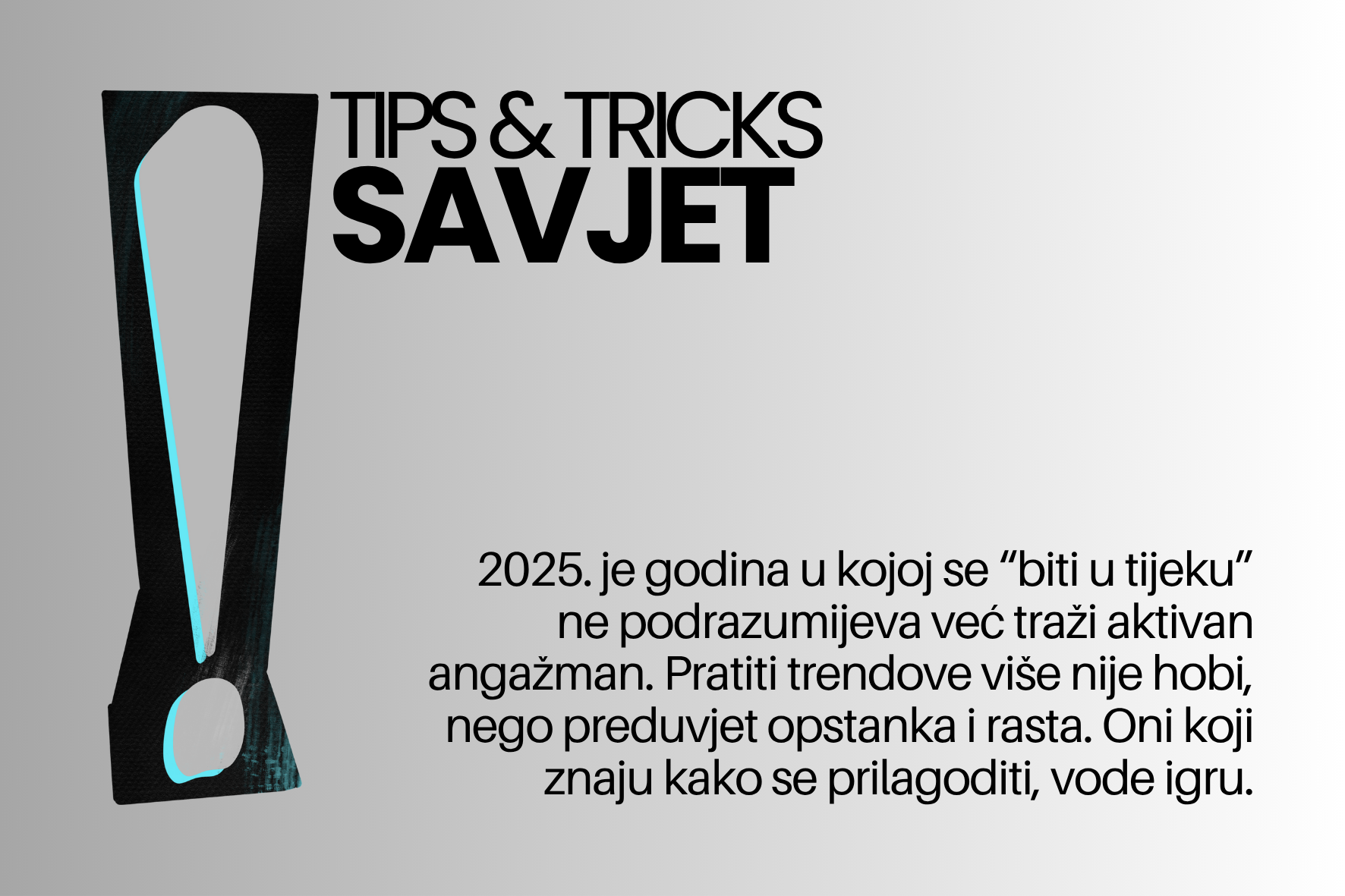
Except it's important to know what Changes, Entrepreneurs Need to Know how to change. Learn from others, connect, invest in knowledge, be open to experimentation. There is an increasing demand for a combination of business intuition and technological literacy.
Our goal is your success.
Together, we shape sustainable solutions and create the foundations for growth, competitiveness and innovation.
Get in touch at rraporin@porin.hr or through contact form and arrange individual counseling.