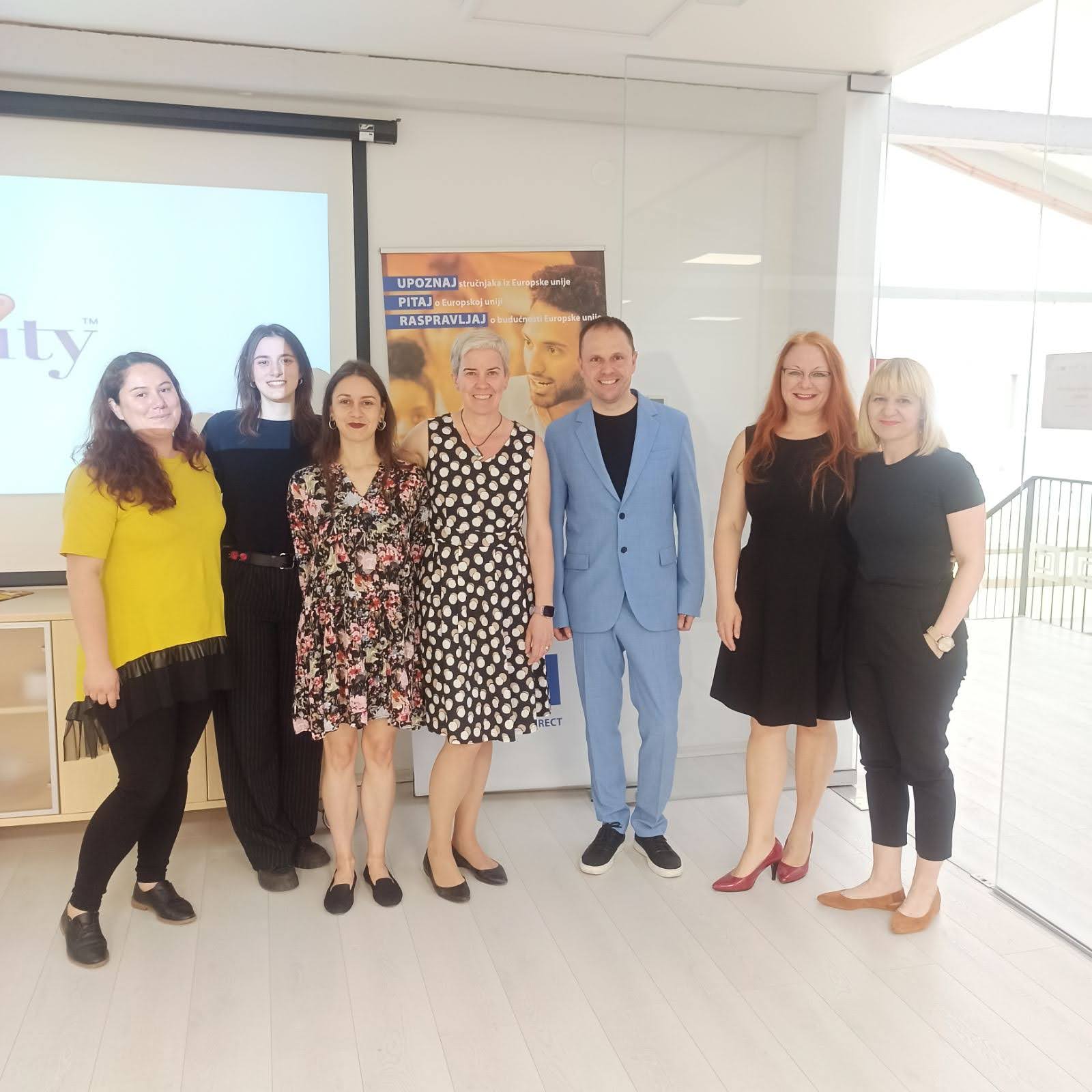
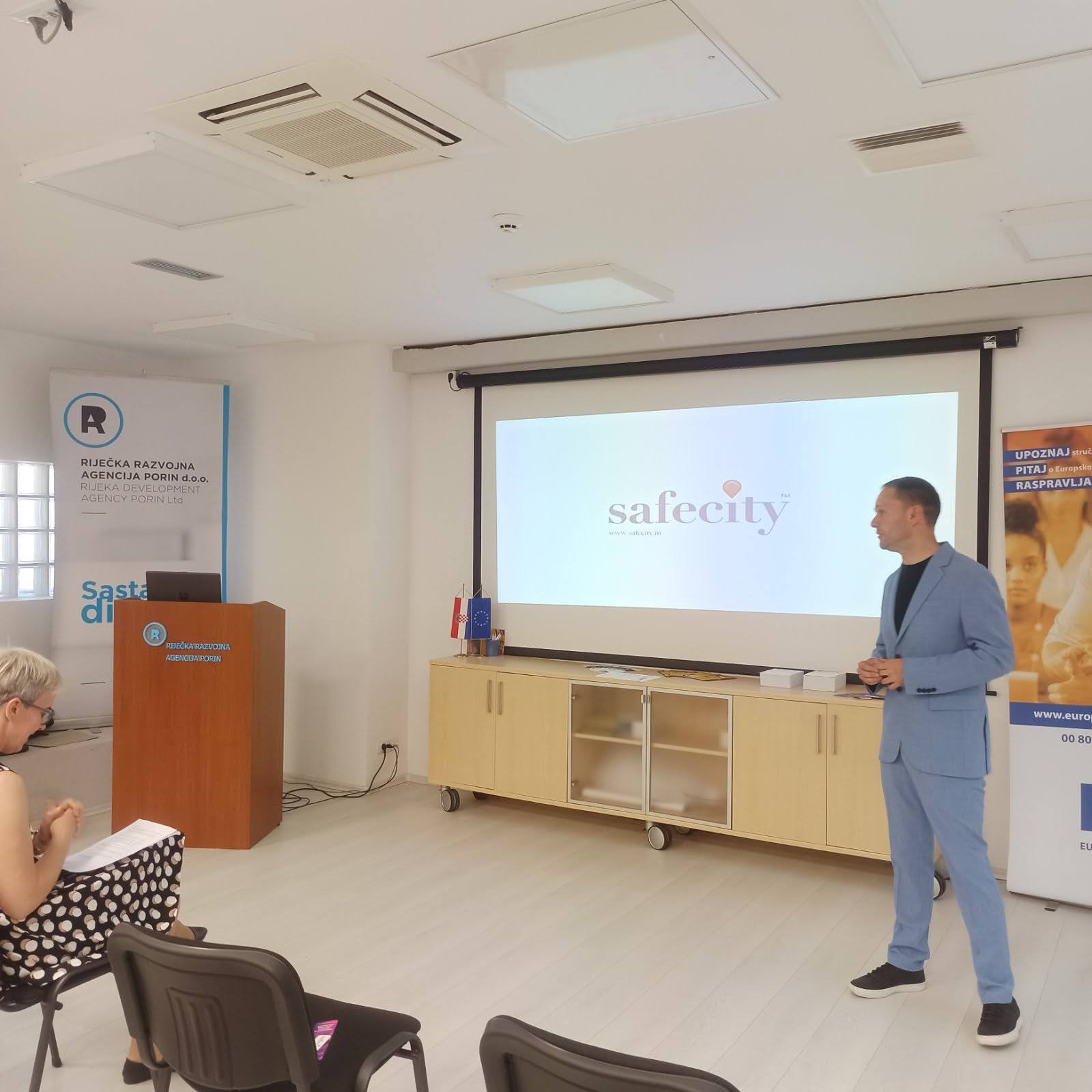
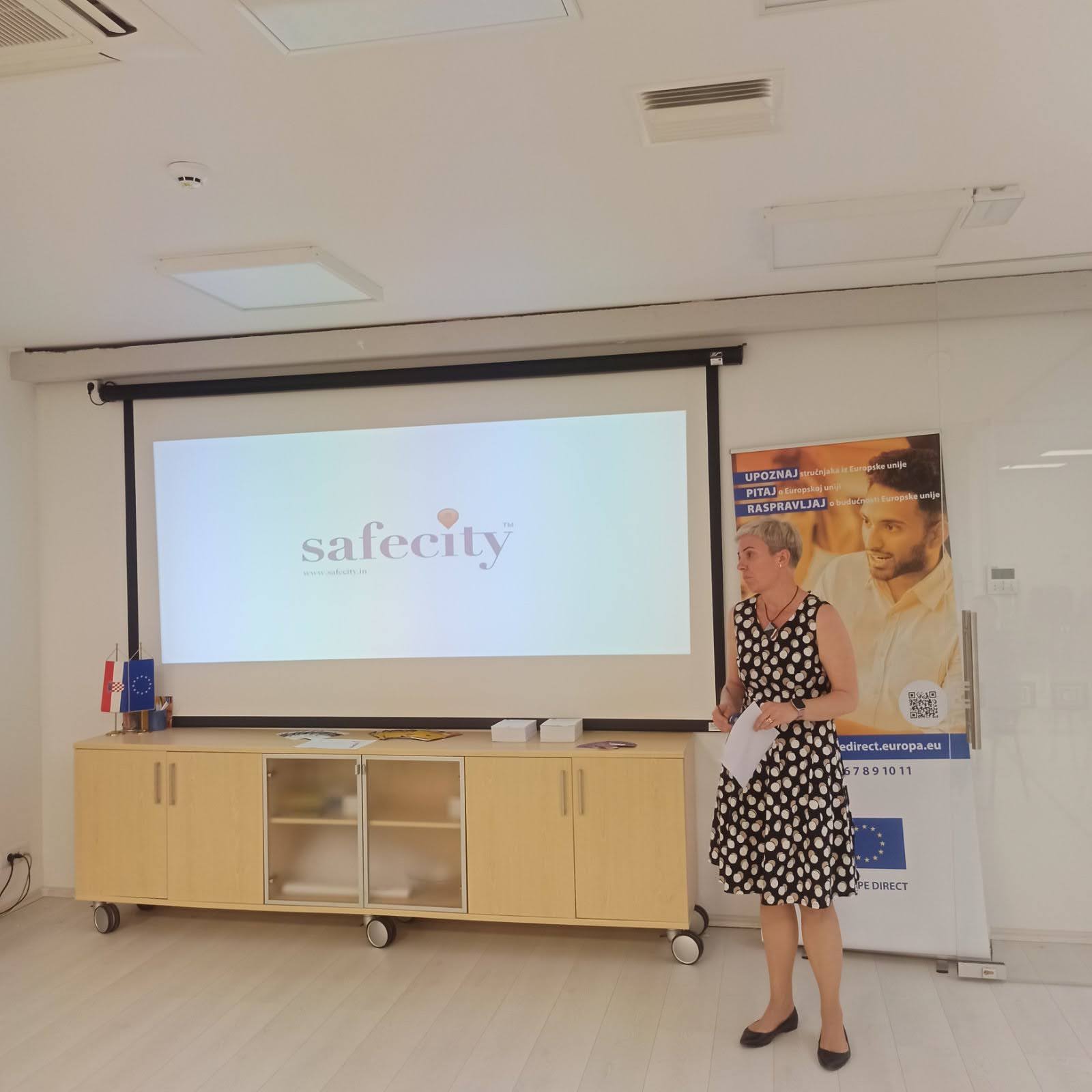
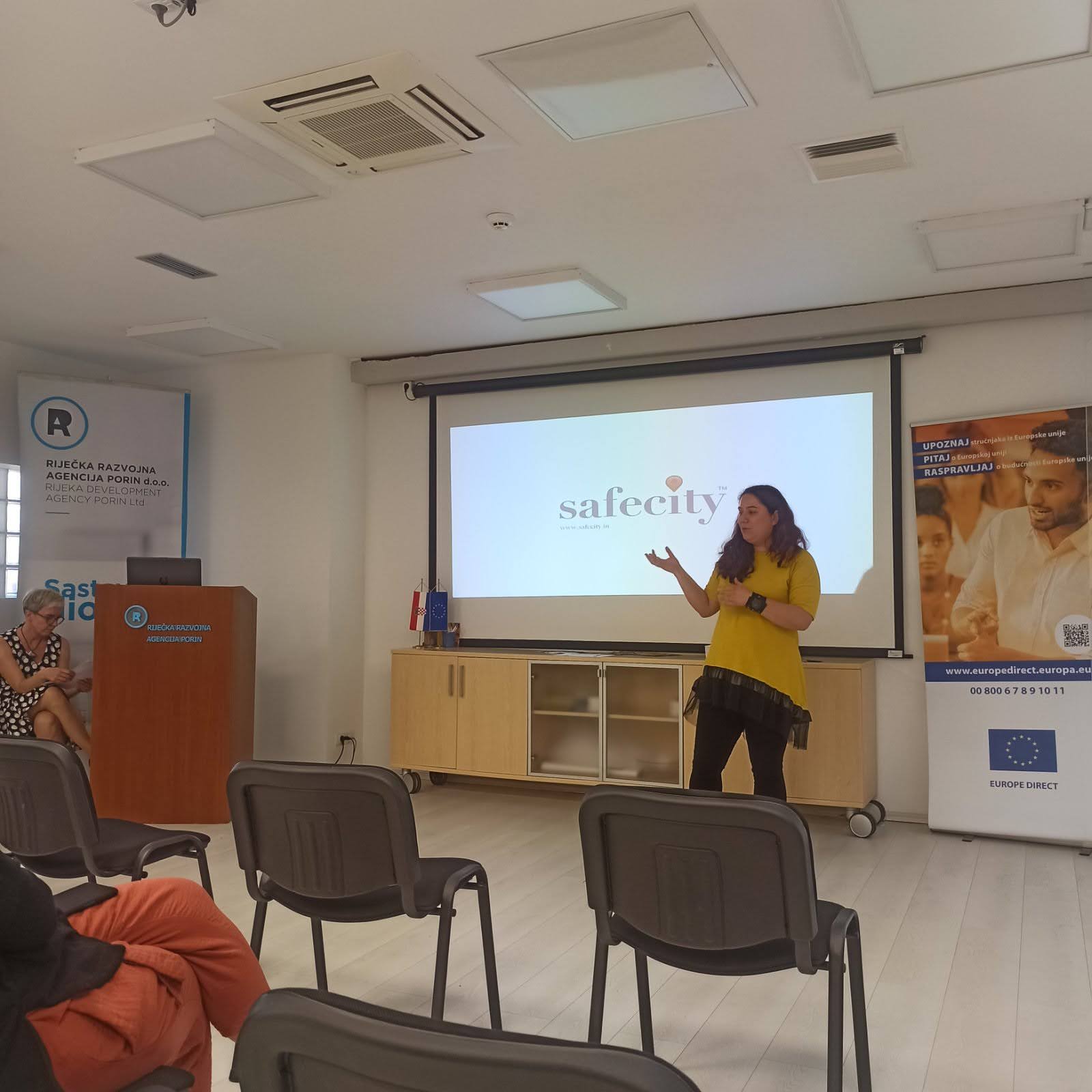
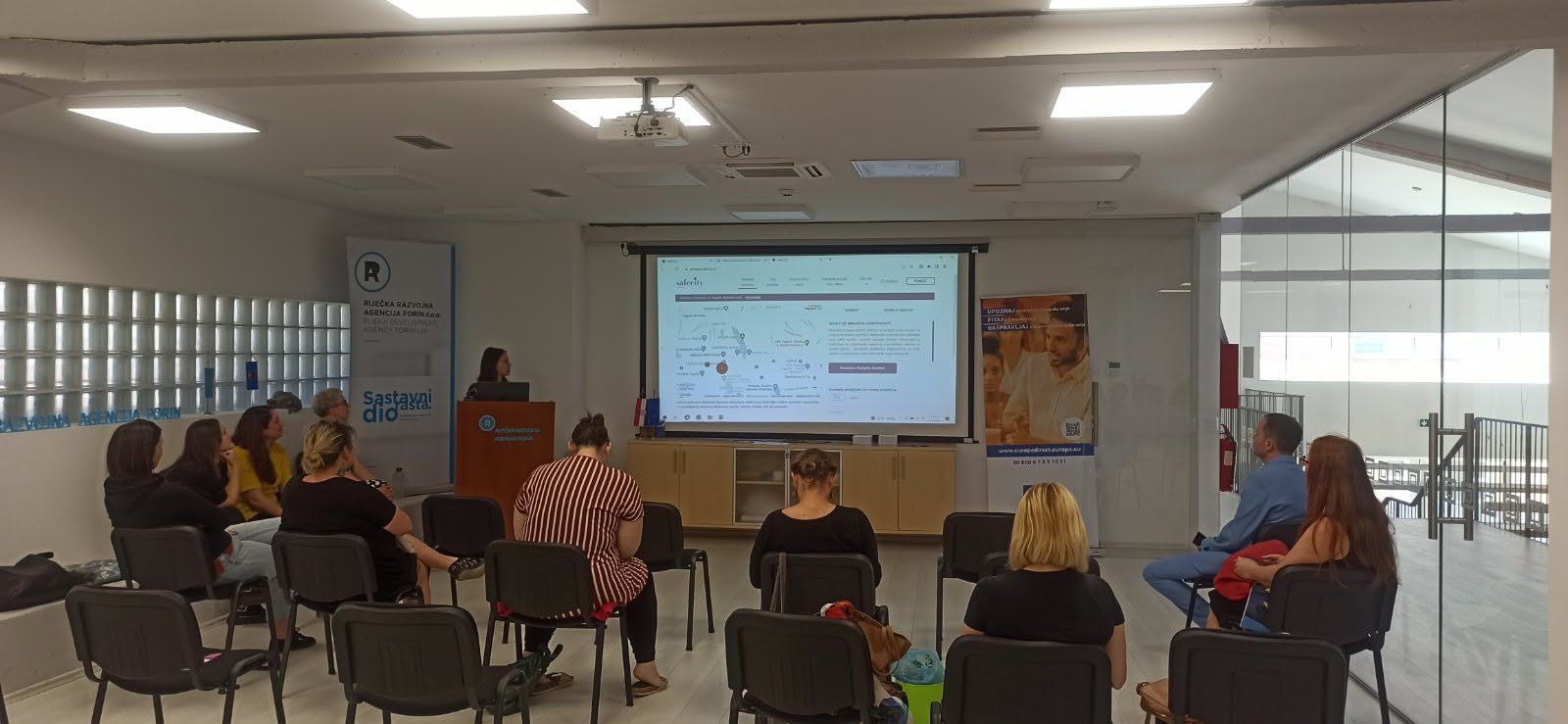
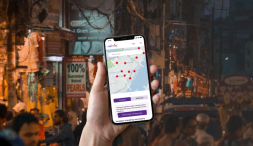
Today, 19.5.2022., the application was presented in the Rijeka Development Agency PORIN Safecity.
Safecity was created in India in 2012 to collect data on street harassment. Since 2012, over 35,000 reports have been collected from all over India, Kenya, Romania, the United States and other countries.
The application was presented by the representatives of the initiative “Let's uncover hidden harassment” led by Dunja Bonacci Skenderović, which works on the Croatian translation of the application and adapts the application for our area.
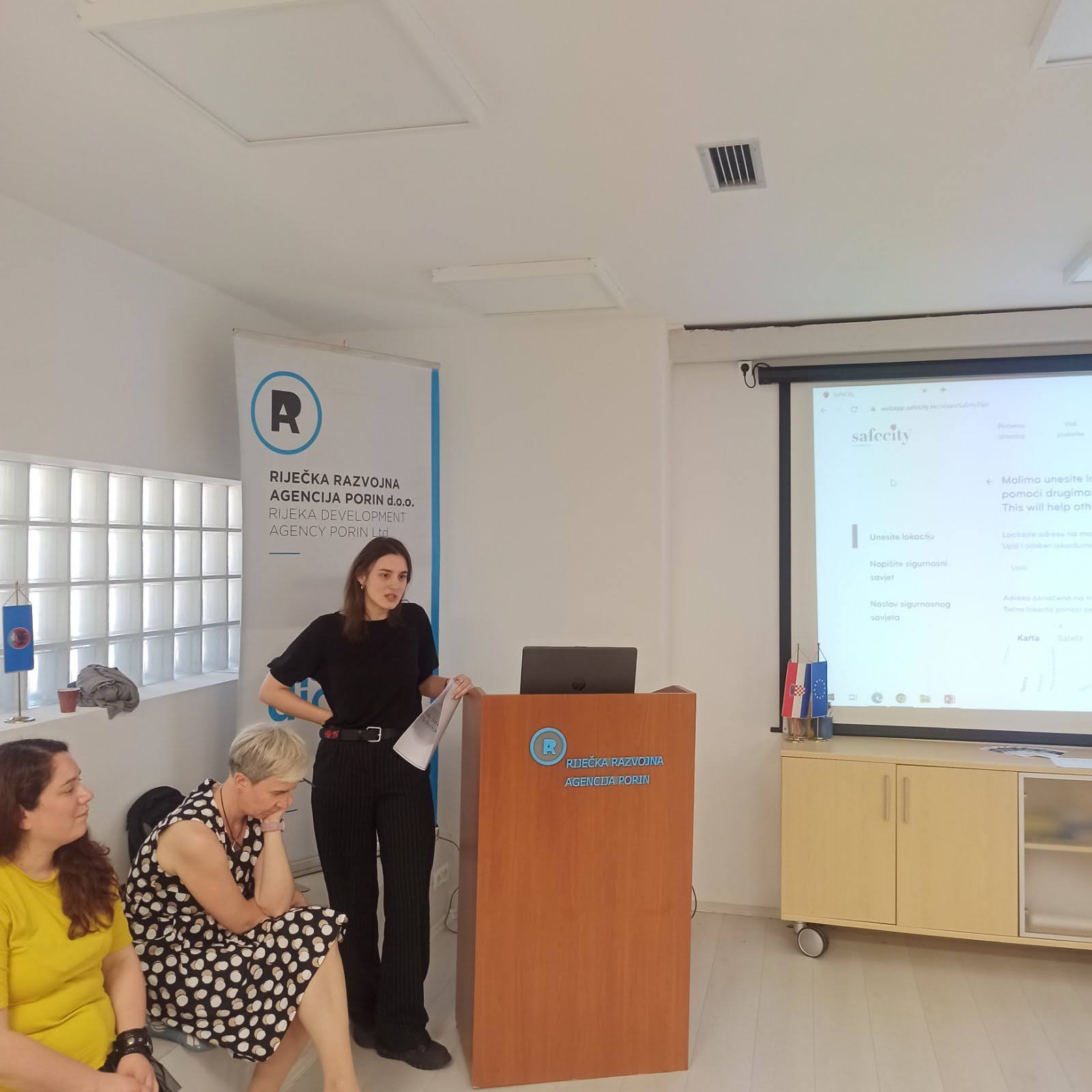
Representatives of the “Discover Hidden Harassment” initiative led by Dunja Bonacci Skenderović, Director of RRA PORIN Dario Zorić, Assoc. prof. dr. sc. Dalida Rittossa and dr. sc. Dejana Golenko.
At the beginning of the presentation, the audience was addressed by the director of the Rijeka Development Agency PORIN Dario Zoric and Assoc. prof. dr. sc. Dalida Rittossa Project promoterLiving in the COVID-19 era the Lifelong Learning ProgrammeCommunity law at the Faculty of Law, University of Rijeka.
Dario Zorić, Director of RRA PORIN
Assoc. prof. dr. sc. Dalida Rittossa
“The application allows women to share experiences, but also gives us the opportunity to better plan the safety of our urban environments. Bravo Safecity Croatia !”
SOS Rijeka - Centre for Nonviolence and Human Rights
It presents what the app has achieved in the world so far and tells some of the stories from the app that triggered the change.
The aim of the application is to detect the factors that cause behavior that leads to violence, and work towards creating safer spaces.
The entire process of how to anonymously report an incident is also presented, as well as the Security Tips option.
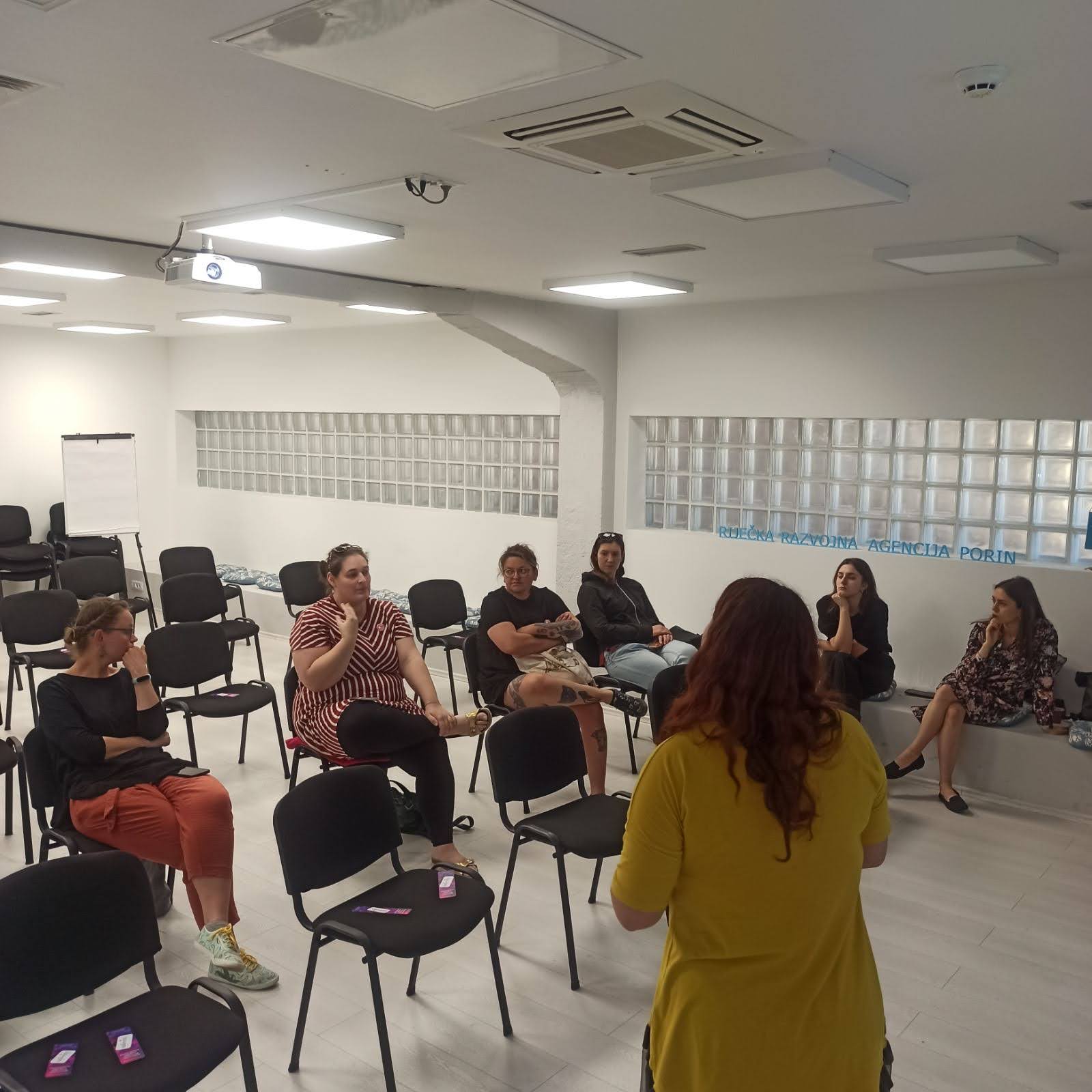
A discussion was also initiated in which representatives also participated. the PaRiter Association i SOS Rijeka – Centre for Nonviolence and Human Rights and assoc. prof. dr. sc. Dalida Rittossa and dr. sc. Dejana Golenko. It is suggested how to improve the application or how to further adapt it to our area.
Collaboration of participants will continue to achieve the goal of this application! follow Safecity Croatia to find out all the news!
Initiative“Let's uncover hidden harassment”Invites you to present the Croatian translation Safecity applications.
Safecity was created in India in 2012 to collect data on street harassment. Since 2012, over 35,000 reports have been collected from all over India, Kenya, Romania, the United States and other countries.
InitiativeLet’s expose hidden harassment” brings together individuals whose aim is to highlight the less noticeable forms of violence that people are exposed to on a daily basis in public spaces and to make cities safer from hidden harassment.
The idea is with the help of data, which is collected anonymously through crowdsourcing, enable citizens, communities and local government to identify the factors that cause behaviour leading to violence, and work towards safer spaces. Data collected through the Safecity app is not a substitute for actual crime numbers. We want to understand the gap between reported and unreported violence, and point out the large number of hidden forms of harassment around us.
The presentation of the Croatian version will take place in Thursday 19 May 2022. the Year at 11 a.m. in the Rijeka Development Agency PORIN d.o.o., Production Park Torpedo, 1st floor, conference hall, Milutina Barača 60, Rijeka.
The event is primarily intended for startups, but also other companies interested in this topic.
The conference will provide information on the business environment of Estonia, the Estonian start-up ecosystem, how to reach venture capital funds investment and present the successful story of a startup that will present its path from the idea to finding financing. The project of e-citizenship of Estonia and the benefits it provides to startups interested in doing business in the Estonian market and finding partners and investors for development in Estonia will be presented.
You can participate report no later than by Tuesday 24 May at 4 p.m. on the HGK website.
On Monday 26 April 2022, a panel discussion was held on “How to turn the idea into reality?" with Doris Sošić, Head of Europe Direct Rijeka. Organizer of the panel, Start Up Association, brought together 14 participants, including representatives of existing and future entrepreneurs, the Polytechnic of Rijeka, the media and students.
At the beginning of the panel, each participant presented themselves in a few sentences. They described companies, associations, educational institutions under which they operate, in short their experience and their idea (if they own it). The panel consisted of two parts. The first part of the panel discussed the topic networking; how stakeholders can improve the local community through cooperation, and the second part was discussed how to turn an idea into reality (through a project, association or company).
The question with which the discussion was initiated was: Is Croatia a start-up nation?’. The participants concluded that the Croatian people love safety and are not prone to risk, but despite this, the participants noticed that startup workshops, business incubators and opportunities for entrepreneurial development are increasingly being organized in Croatia. They also concluded that young people today have more opportunities and opportunities than young people before (before about 20-30). The difference was due to the emergence of the Internet.
The question that followed was What are the challenges of entrepreneurs in Croatia?’. The answers were different: from problems with bureaucracy in the Republic of Croatia, the purchase of land for business operations that require land to perform activities, to problems in the entrepreneur himself. Discussion participants concluded that bureaucracy is a problem for them, but the more they are in business, the easier it is for them to deal with the issue of bureaucracy. A problem arises in the absence of information: which documents are required for the opening of trades and similar items. They find the solution on the CES website where they conclude that there is concrete information and in various groups on the Facebook platform where participants share their experiences with each other, which greatly facilitates their business. They point out that the Covid-19 pandemic has had a major impact on people-to-people relations because entrepreneurs do not socialize with each other and thus cannot exchange their experiences or connect with each other. But this panel is exactly what entrepreneurs need to connect. Participants agreed that self-employment funds pose a major problem to them because they do not cover all activities. Entrepreneurs have found a solution to this problem in adaptation. They try to focus the description of their activities on those falling within the activities covered by the self-employment fund. They conclude that an entrepreneur must be persistent and patient and that entrepreneurship is the way to solve problems. They point out that business incubators, such as PORIN, greatly facilitate the process of entering the market. They also point out that their experience in college has enabled them to easily overcome the problems they face, and state that professors continue to provide them with help after completing their studies.
The question arises as to whether incentives for undertakings are sufficient for an undertaking to operate or whether financing is a problem for undertakings. Entrepreneurs agree that state aid is sufficient for business, but also point out that aid is difficult to obtain due to the already mentioned bureaucracy.
Through experience, participants conclude that the disadvantage for banks in the RC is that it is easier to obtain a loan in a bank as a natural person than as a legal person.
They claim that it is easy to start a business, but it is difficult to survive, and that there is no company that has not been close to bankruptcy at least once.
Finally, the question arises. how important mentors are or how important their support is. This question is the only question that has divided the participants. It is concluded that the entrepreneur himself is the greatest support and that the importance of the entrepreneur plays a great role; how the role of parents represents mentoring at an earlier stage of life, and after that this role passes to teachers, professors. But they agree in one. Man will only look for a solution when the problem will arise and will develop through problem solving.
Since participants who are not entrepreneurs also participated in the panel, the question arises ,Is it better to work in one's own company or to be employed in someone else's? “. They conclude that both options have their advantages and disadvantages and that everything depends on the person as an individual. As part of this question, we also discussed how to gain additional knowledge for a job.
At the end of the panel, the participants conclude that in order to succeed, an undertaking must be realistic and objective. They suggest that before starting a business, an entrepreneur should work in several branches to see his abilities and that good health is the most important thing, so the entrepreneur must learn to cope with stress, because realistically, entrepreneurship is a stressful job.
After the end of the panel, there was socializing and networking of participants. Participants exchanged contacts and talked to each other.